
advertisement
The Labs Built On Open Research Are Learning To Lock The Doors


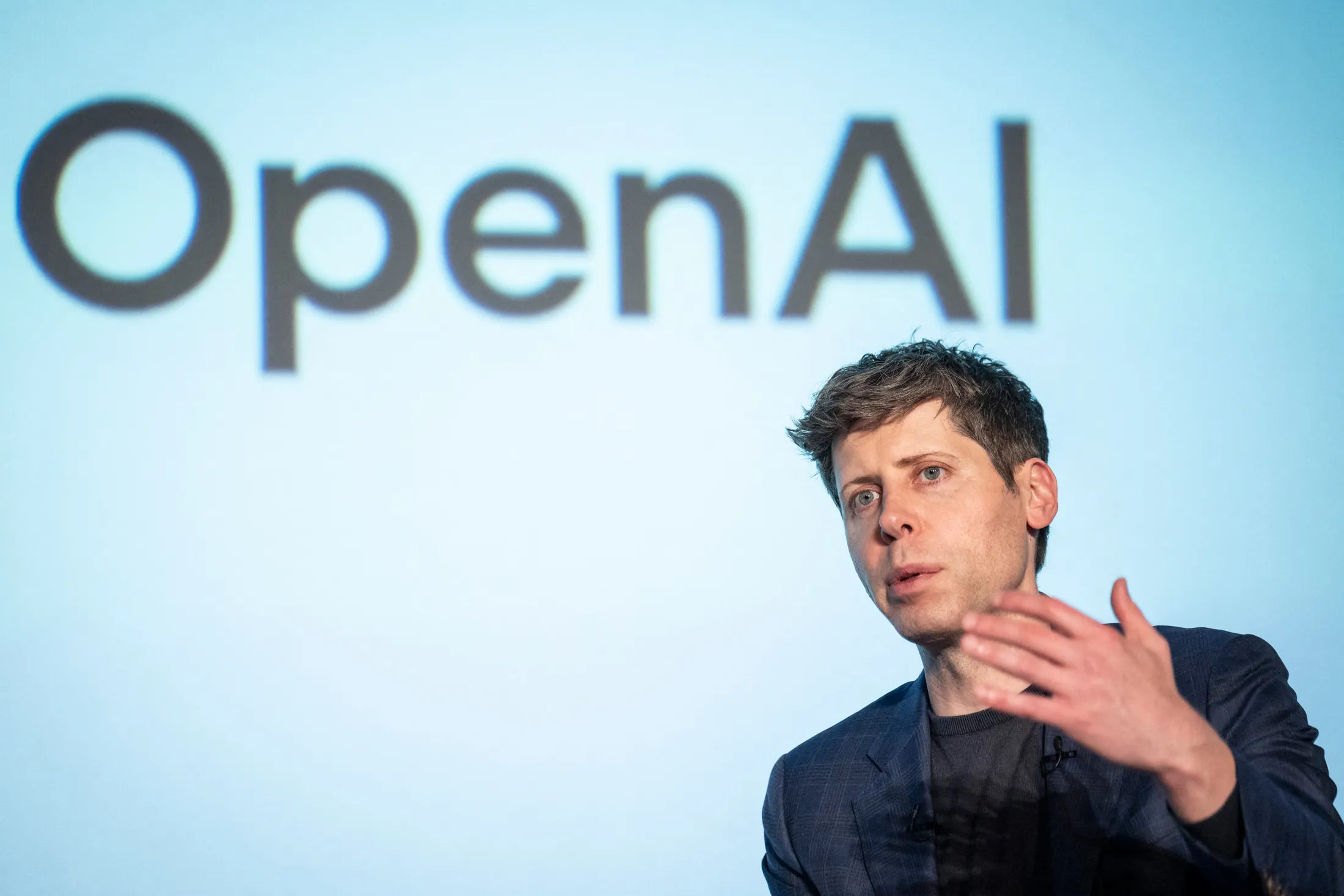
According to five people familiar with the matter, cited in a Reuters report by Deepa Seetharaman, some OpenAI employees raised security concerns internally before the chatbot launched in late 2022. They took their concerns to senior leaders and the board. Some came to believe management cared more about keeping pace with Google and Anthropic than about security. The sources are unnamed, and the report does not date individual warnings.
Reuters notes that OpenAI and Anthropic have maintained relatively open research cultures, reflecting the field’s academic roots. But as AI systems grow more capable, some OpenAI employees are increasingly concerned about the risks of that openness.
Will DePue, a former OpenAI researcher who resigned in April, posted on X that companies “can’t sacrifice velocity for security” in a competitive environment, Reuters reports.
advertisement
What the sources describe
Most of OpenAI’s code, the sources said, was stored in a single repository. Anyone with access could view details of projects unrelated to their work. Research documentation was kept on GitHub and Slack.
Three sources said internal tools, including the sandboxes used to stress-test models, were not regularly reviewed for security. They also said employees’ modifications were not always tested.
advertisement
OpenAI disputes the suggestion that it neglected security. The company says its most sensitive work is stored in separate repositories with strict access controls. It says the main repository does not contain all its code or critical assets such as model weights, and that it now conducts regular security reviews of internal tools.
Spokesperson Elana Widmann said OpenAI is among the world’s most targeted organisations and described protecting its technology, data and people as “a responsibility we take seriously and a matter of national importance.”
Reuters also reports that the company has taken steps to strengthen its defences. Two sources said product executive Thibault Sottiaux took charge of an internal effort to secure its systems. One source said he reassigned a quarter of the company’s production engineers to security infrastructure in August.
advertisement
The incidents on the record
The report places the internal warnings alongside several security incidents.
On October 13, the Justice Department said agents arrested Abdulrahman Alfozan, 35, a Saudi national who was working as an OpenAI engineer at the time. He is charged with installing a hidden audio recorder in an executive conference room. His lawyers did not respond to Reuters’ requests for comment.
In July, Hacktron AI said three of its researchers used an Anthropic model to gain access to the ChatGPT accounts of several OpenAI employees and reach some internal systems. OpenAI thanked the researchers and took steps to reduce similar risks.
On November 2, OpenAI announced a partnership with Cathedral Systems, a security start-up that will use OpenAI’s models alongside its teams to test the company’s defences.
Cathedral had attracted attention in late October after saying it had breached Anthropic’s systems. Anthropic confirmed that the researchers accessed a limited set of sales, human resources and IT systems. However, it said they did not reach customer conversations with Claude, source code or model weights.
Anthropic’s security lead, Logan Graham, said the intrusion took “several days”, rather than the less than 12 hours Cathedral claimed to The Washington Post. He also described Cathedral’s method as “unusual and out of scope” under Anthropic’s bug-bounty rules.
OpenAI’s announcement does not specify which of its systems Cathedral will examine. Cathedral’s chief executive did not respond to Reuters’ request for comment.
Reuters raises another consideration: tighter security could slow AI development and complicate planned stock-market listings for both OpenAI and Anthropic.