
advertisement
Rwanda Approves National AI Agency


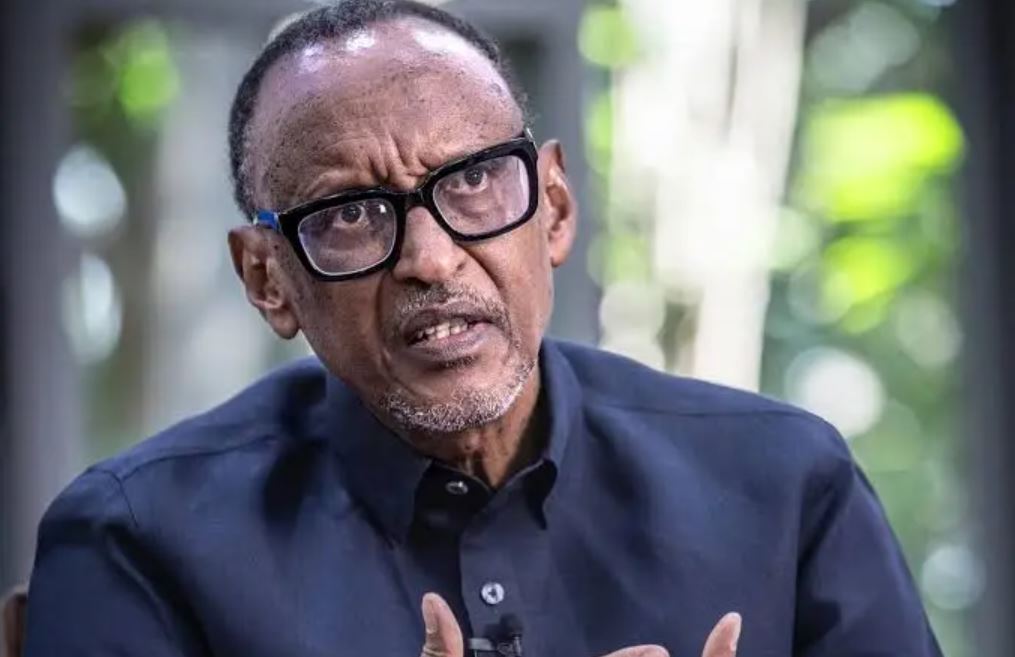
Rwanda has approved the establishment of its first institution dedicated exclusively to artificial intelligence, marking a significant step from AI policymaking to implementation as the country accelerates its digital transformation agenda.
The decision was approved during a Cabinet meeting chaired by President Paul Kagame at Urugwiro Village on 18 June. According to the Cabinet communiqué, the new National Artificial Intelligence Agency will spearhead AI development, innovation, adoption, investment, and governance to support Rwanda’s economic growth and digital ambitions.
Paula Ingabire, ICT and Innovation Minister, said the agency will serve as the country’s central AI coordination body, overseeing national AI deployment while establishing governance frameworks and standards to ensure responsible innovation.
advertisement
“The agency will coordinate all national AI deployment while governing how data is used and establishing the standards needed to protect citizens while enabling innovation,” Ingabire has previously said.
A central pillar of the agency’s mandate will be data governance. Rwanda plans to support the initiative through an established national data centre and a governed data sandbox, allowing researchers, startups, and businesses to securely access local datasets to develop AI solutions tailored to Rwanda’s needs while ensuring sensitive information remains protected.
Ingabire has emphasised that locally available, well-governed data is essential to building meaningful AI applications, noting that without data, there can be no artificial intelligence.
advertisement
The agency builds on several years of groundwork. Rwanda adopted its National AI Policy in 2023, one of Africa’s earliest comprehensive AI strategies. Around 70 percent of the policy focuses on developing local talent and digital skills, reflecting the government’s view that human capital is the foundation of a sustainable AI ecosystem.
The country has also enacted a Data Privacy and Protection Law, introduced a national data-sharing policy, expanded digital infrastructure, and invested in AI education through partnerships with universities and technology institutions.
In addition, Rwanda established the Rwanda AI Scaling Hub with support from the Bill & Melinda Gates Foundation. The initiative, backed by approximately $17.8 million (about RWF 25 billion), is accelerating the deployment of AI solutions in healthcare, education, agriculture, and other priority sectors.
advertisement
The government estimates that artificial intelligence could contribute approximately $589 million to Rwanda’s economy over the next five years, against an estimated implementation cost of about $76.5 million, highlighting the economic rationale behind creating a dedicated institution.
The agency also reinforces Rwanda’s position as one of Africa’s emerging AI leaders. In April 2025, Kigali hosted the inaugural Global AI Summit on Africa, where African leaders endorsed the Africa Declaration on Artificial Intelligence and called for greater collaboration in developing trusted, locally relevant AI technologies.
While Rwanda has made significant progress, challenges remain. UNESCO has identified shortages in advanced AI talent, limited access to high-quality training data, and constrained research capacity as key obstacles facing many African countries. The new agency is expected to address these gaps by coordinating national investments, strengthening governance, and expanding the country’s AI capabilities.
With Cabinet approval secured, attention now turns to establishing the agency’s leadership, operational structure, and implementation roadmap as Rwanda moves to institutionalize artificial intelligence as a strategic driver of national development.