
advertisement
More Than Half of M-Pesa Transactions Are Free

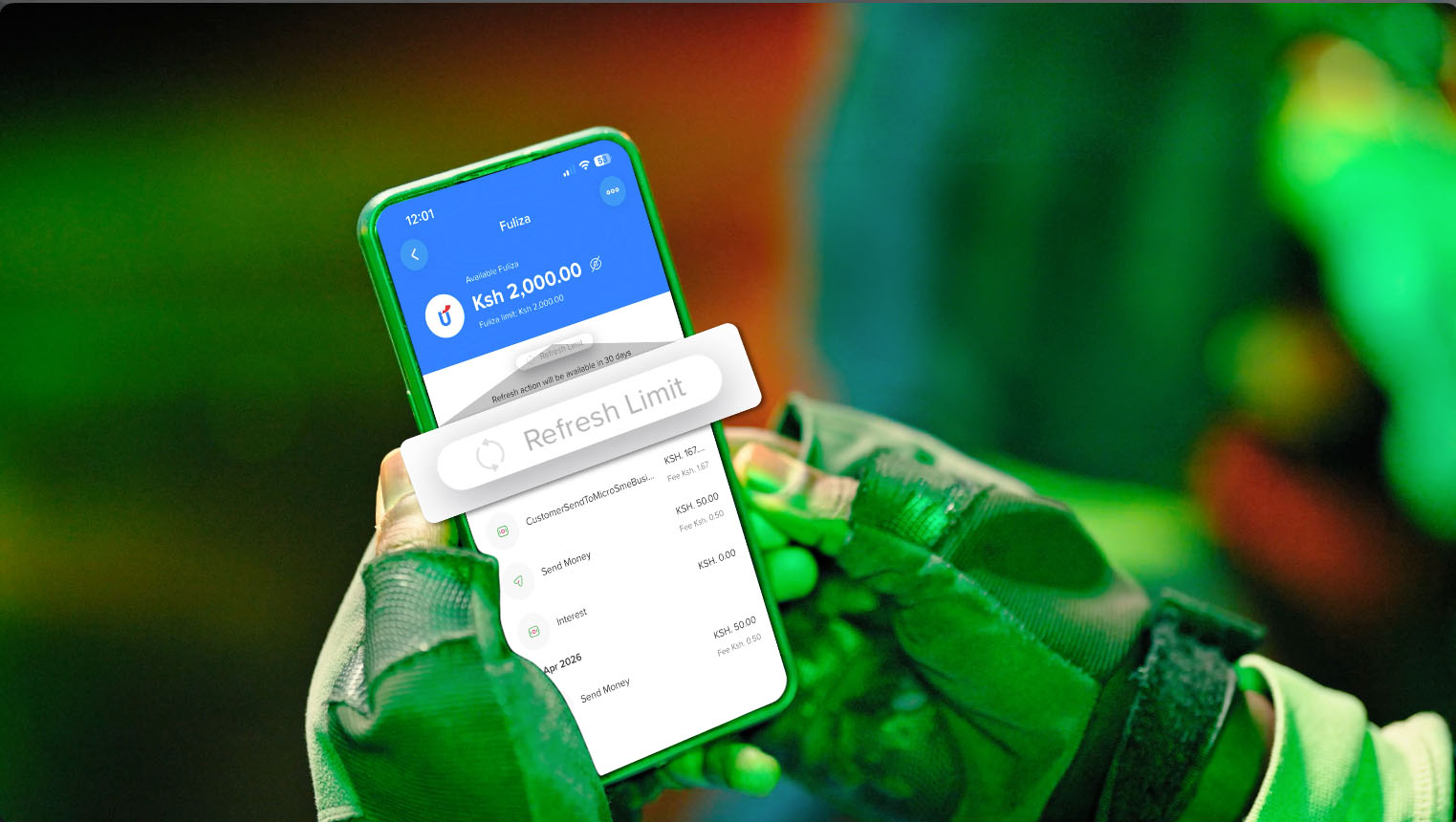
More than half of M-Pesa transactions carried no charge to customers in the year to March 2026, according to Safaricom’s latest sustainability report. The company says 57.8 per cent of transactions were free, highlighting the role of mobile money in everyday financial activity.
The figure appears in Safaricom’s 15th Sustainable Business Report, which estimates that the company created $9.6 billion (KES 1.25 trillion) in value for Kenyan society during the financial year, a 10 per cent increase from the previous year.
Safaricom estimates M-Pesa’s contribution to social value at $3.7 billion (KES 478.1 billion). However, the company has not published a detailed breakdown of how it calculated either figure.
advertisement
The report also says Safaricom’s wider ecosystem supported more than 1.4 million jobs, including those of M-Pesa agents, dealers and suppliers. Of these, 70,000 were created during the year. The company and the M-PESA Foundation also reached 4.4 million people through programmes covering health, education, employment, water and conservation.
Peter Ndegwa, Group CEO, said the company’s performance should be measured beyond its financial results.
“Our impact is measured not only by what we earn, but by the value we create for society,” he said.
advertisement
The report also highlights areas where Safaricom fell short of its sustainability targets. Its direct emissions, covering Scope 1 and Scope 2, increased during the year. One worker also died in a work-related incident despite the company’s workplace safety programme.
People with disabilities accounted for 4 per cent of Safaricom’s workforce, below its 5 per cent target.
Customer trust in the company’s handling of personal data stood at 70 per cent for M-Pesa and 61 per cent for Safaricom. The report describes these figures as a recovery, although it does not provide enough context to establish how they compare with previous performance.
advertisement
On cybersecurity, Safaricom reported detecting approximately 1.25 billion intrusion attempts and investigating more than 130,000 security events during the year. Ndegwa said digital trust required attention beyond the technology department.
“Digital trust is not an IT issue. It is a leadership issue,” he said.
The 2026 report is also the first in which Safaricom has adopted a double materiality approach. The framework assesses both the company’s impact on people and the environment and the risks sustainability issues pose to its business.
Safaricom says it is preparing for Kenya’s mandatory sustainability reporting requirements and aims to achieve full compliance with the IFRS sustainability standards by FY28.