
advertisement
Egypt Partners With Intel To Expand AI Skill

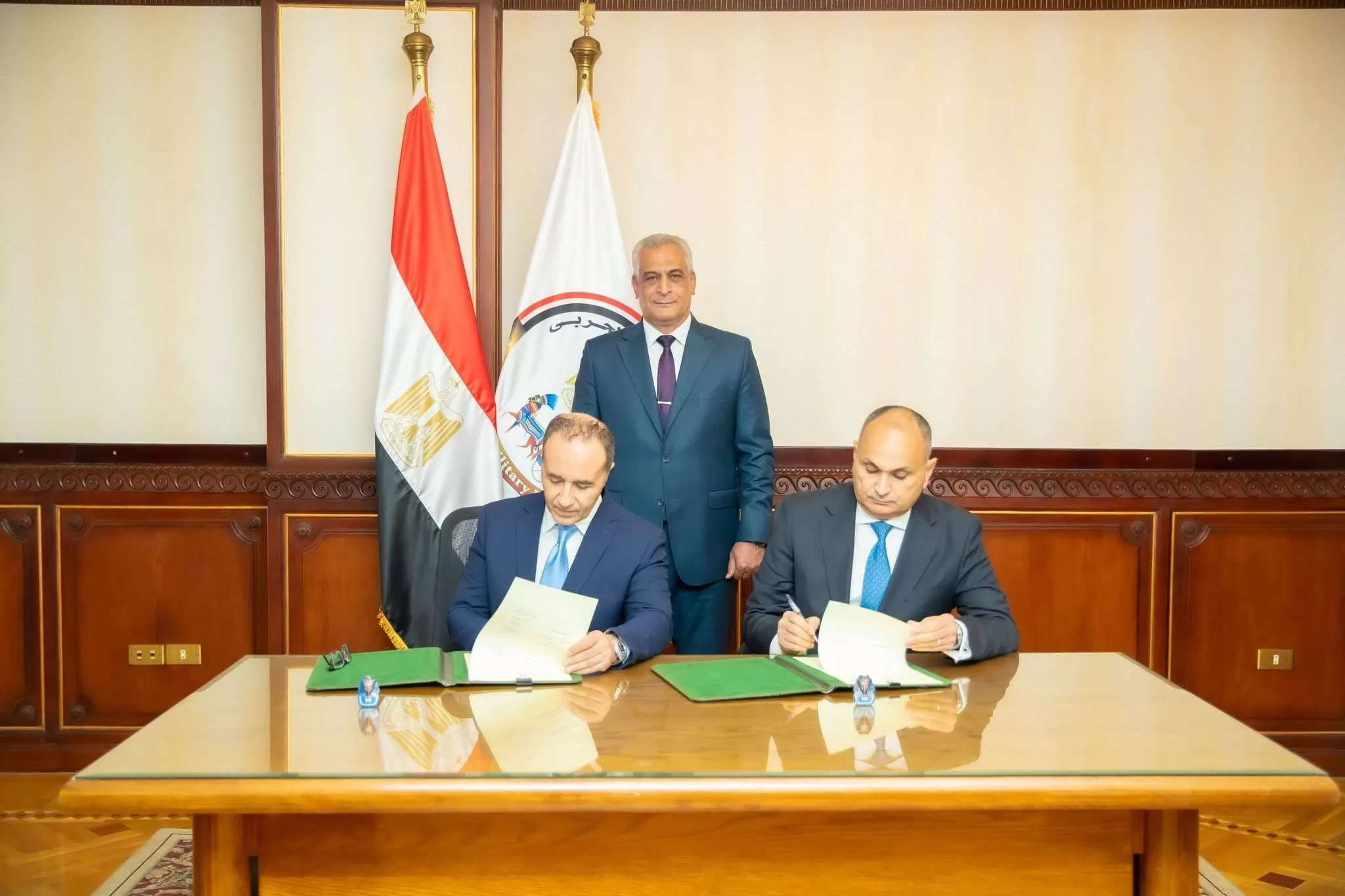
Egypt is partnering with Intel on a national artificial intelligence (AI) skills initiative that aims to train one million citizens annually over the next three years. The programme, formalised through a memorandum of understanding (MOU) between Egypt’s Ministry of Communications and Information Technology (MCIT) and Intel, will focus on expanding AI literacy, developing technical skills and promoting the responsible use of AI.
The initiative forms part of Egypt’s wider efforts to build a workforce capable of developing and deploying AI technologies as the country expands its digital economy. The MOU was signed by Hoda Baraka, advisor to the ICT minister for technology talent development and acting director of the Egyptian Centre for Responsible AI, and Taha Khalifa, Intel’s general manager for the Middle East and Africa.
According to MCIT, the programme will target different groups through a range of capacity-building and upskilling initiatives. These will include foundational AI training and creative-thinking programmes for young people, as well as training designed to improve the labour-market readiness of technical and university students. Employees and job-seekers will also have access to reskilling and upskilling opportunities, while government leaders will receive training focused on technology-enabled decision-making.
advertisement
The programme will also include a Training of Trainers component, with plans to train 1,500 trainers over three years. The initiative will target 500 trainers annually, with the aim of supporting the continued delivery of AI education through local training and educational institutions. The collaboration comes as Egypt implements the second edition of its National AI Strategy, covering the 2025–2030 period. The strategy seeks to expand the use of AI and increase its economic and social impact.
ICT Minister Raafat Hendy said AI is becoming an important factor in economic competitiveness, with applications spanning development and public services. Egypt has also set a target of developing 30,000 specialists in deep-tech and AI by 2030. The country expects the ICT sector’s contribution to GDP to reach 7.7% by the same year.
The government has increasingly placed skills development at the centre of its digital transformation plans, reflecting the growing demand for professionals who can work with emerging technologies and apply them across different sectors. The AI training programme will also place emphasis on responsible technology use. MCIT said awareness of the opportunities and risks associated with AI will be incorporated into the training rather than treating responsible AI as a separate area of study.
advertisement
Baraka said the partnership would support efforts to improve understanding of AI applications among different sections of society and help people identify practical ways of using the technology. The initiative will be delivered through Intel’s “AI for Citizens” programme, which is intended to provide accessible AI education to a wider population.
Gisselle Ruiz Lanza, Intel’s general manager for EMEA, said the collaboration reflects a shared objective of making AI more accessible and practical. Beyond general AI literacy, the agreement also includes technical workshops covering Intel’s AI infrastructure and computing technologies. The sessions are expected to contribute to the development of local expertise in the infrastructure required to support AI applications.
The scale of the programme places Egypt’s AI skills development efforts within a broader push across Africa to expand digital capabilities and prepare workers and public institutions for increased adoption of AI.