
advertisement
Nigeria Makes NIMC Digital Trust Authority

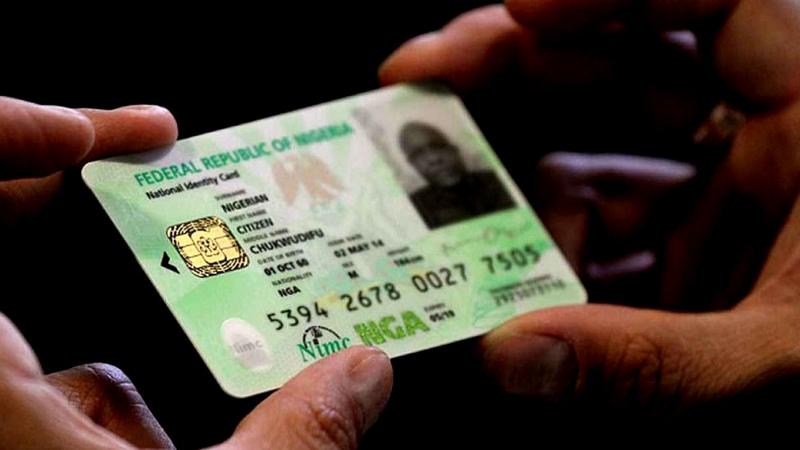
Nigerian President Bola Tinubu has signed the National Identity Management Commission (NIMC) Act 2026 into law, repealing the 2007 legislation and giving the commission sweeping new powers over Nigeria’s digital identity infrastructure.
The law, signed at the State House, was announced in a statement by Kayode Adegoke, Head of Corporate Communications at NIMC. The signing was witnessed by Godswill Akpabio, Senate President; Lateef Fagbemi, Attorney-General of the Federation and Minister of Justice; Olubunmi Tunji-Ojo, Minister of Interior; Dr Abisoye Coker-Odusote, Director-General of NIMC; and Taimur Samad, World Bank Country Director for Nigeria. NIMC described the legislation as the most significant reform of Nigeria’s identity management system since the commission was established nearly two decades ago.
The most consequential change is the designation of NIMC as the Root Certification Authority for Nigeria’s National Public Key Infrastructure (PKI) and Digital Public Infrastructure (DPI).
advertisement
Public Key Infrastructure is the system of digital certificates and cryptographic keys that allows people, organisations and devices to verify identities, authenticate transactions and communicate securely online. At its core sits the Root Certification Authority—the highest level of trust that validates every other certificate in the system.
By assigning this role to NIMC, the Act makes the commission the country’s central trust authority for digital identity and secure electronic transactions.
The law also positions NIMC at the centre of Nigeria’s Digital Public Infrastructure, the foundational systems—including digital identity, data exchange and digital services—that support government and private-sector digital services.
advertisement
The legislation transforms NIMC from an agency primarily responsible for issuing National Identification Numbers (NINs) into Nigeria’s principal authority for digital identity, authentication and electronic trust services.
It reinforces the NIN as the country’s foundational identity credential under the “One Person, One Identity” principle while recognising both physical and digital identity credentials, including a General Multipurpose Card.
The Act also empowers NIMC to facilitate secure and interoperable data exchange between government agencies, financial institutions, telecommunications providers and other authorised organisations.
advertisement
Olubunmi Tunji-Ojo, Minister of Interior, said the legislation is intended to enable secure information sharing across institutions. He noted that Nigerian passports can no longer be issued without verifying applicant information through the NIMC database, while Godswill Akpabio, Senate President, said the harmonisation of identity records has strengthened border management and supported law enforcement investigations. Those assertions were presented by government officials as examples of the system’s growing impact.
The expanded mandate is accompanied by stronger data protection provisions.
According to NIMC, the Act aligns Nigeria’s identity framework with the Nigeria Data Protection Act and international privacy standards while introducing stricter safeguards for collecting, processing and storing personal data.
The law also provides for inclusive enrolment of vulnerable populations, tougher penalties for multiple registrations, and stronger measures to combat identity theft and impersonation.
Those safeguards are significant because the legislation concentrates identity management, authentication and digital trust within a single institution. The effectiveness of that model will depend on the implementation guidelines and subsidiary regulations that NIMC says will be issued in the coming months.
Dr. Abisoye Coker-Odusote, Director-General of NIMC, said the reforms close a 19-year legislative gap, arguing that the 2007 law no longer reflected the realities of digital commerce, online government services, digital banking, modern privacy requirements and evolving cyber threats.
The government has positioned the legislation as part of President Bola Tinubu’s Renewed Hope Agenda and its ambition to build a $1 trillion economy.
The reforms align Nigeria with a growing global shift toward Digital Public Infrastructure built on trusted digital identity systems.
Countries across Africa are pursuing similar strategies, from Kenya’s Maisha Namba programme to broader identity modernisation initiatives, while India’s Aadhaar system remains the world’s most prominent example of a national digital identity platform. The presence of Taimur Samad, World Bank Country Director for Nigeria, at the signing reflects the institution’s continued support for digital identity programmes across developing economies.
For Nigeria, however, the immediate significance is institutional. NIMC is no longer simply responsible for registering citizens and issuing identity numbers. It now sits at the centre of the country’s digital trust architecture, responsible for how identities are authenticated, verified and trusted across government, finance and the wider digital economy.
Whether the new framework delivers its promised gains in security, inclusion and economic growth will ultimately depend on how effectively the legislation is implemented and how robustly its privacy and governance safeguards are enforced.