
advertisement
ITW Africa 2026: Africa’s Digital Infrastructure Conversation Moves Beyond Connectivity

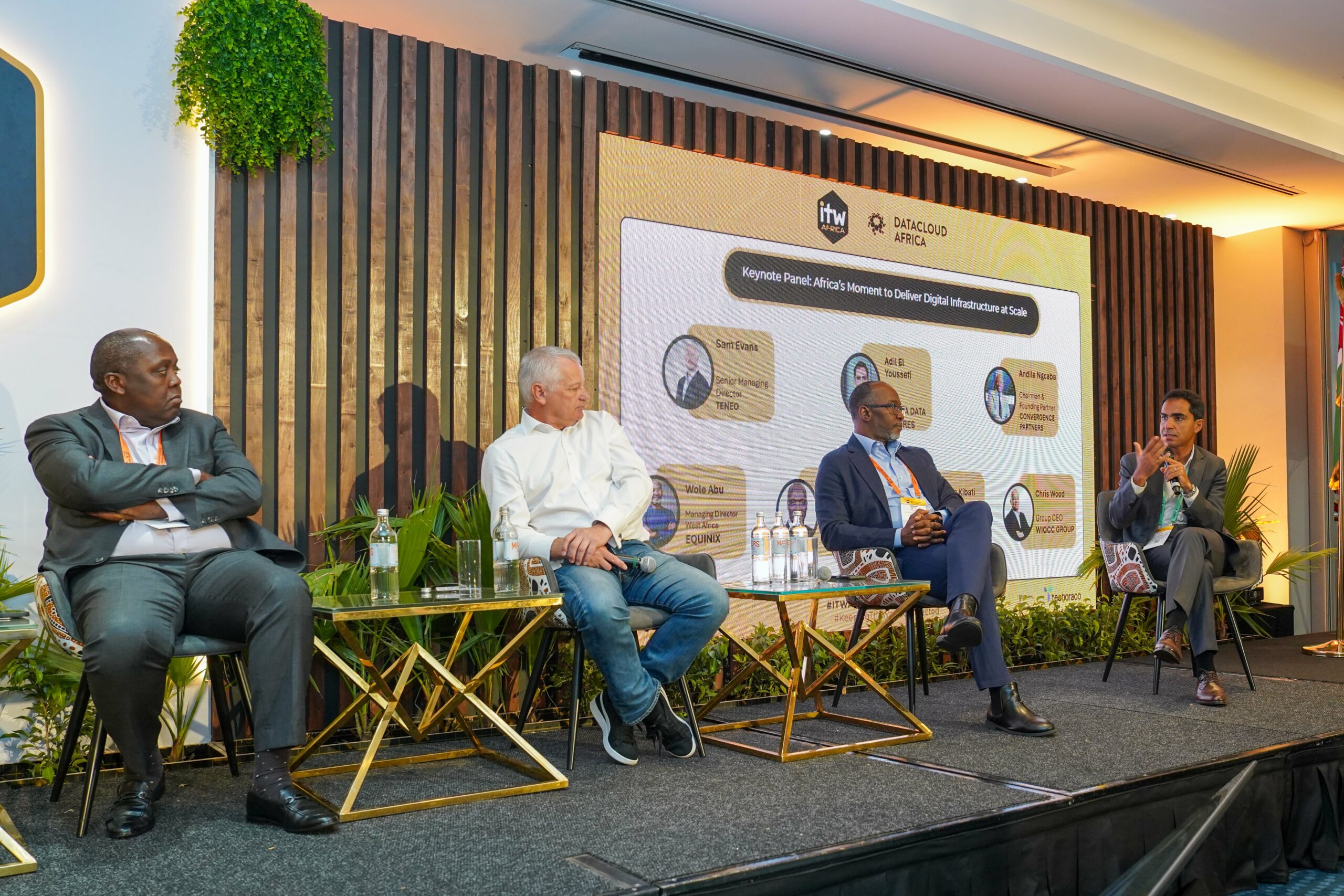
Africa’s digital infrastructure conversation is evolving, with the focus shifting from simply expanding connectivity to building the infrastructure, investment environment and digital ecosystems needed to support the continent’s next phase of growth.
This has been evident at the fourth edition of International Telecoms Week Africa (ITW Africa) in Nairobi, where telecommunications operators, technology companies, data centre providers, investors and policymakers have spent the first two days discussing the future of Africa’s digital economy. Held from 7 to 10 September at the Radisson Blu Upper Hill and co-located with Datacloud Africa, the event has brought together more than 1,800 expected decision-makers and over 160 speakers from across Africa and international markets.
While connectivity remains central to the conversation, discussions during the first two days have increasingly highlighted what comes after the networks are built. The industry is now grappling with questions around data centres, cloud, artificial intelligence, energy, affordability, infrastructure financing and how digital investments can translate into wider economic value. For Africa, this represents an important shift.
advertisement
Over the past decade, much of the continent’s digital infrastructure agenda has centred on expanding mobile coverage, deploying fibre and improving international connectivity. Those investments have helped create the foundation for a more connected continent, but the conversations at ITW Africa point towards a more complex challenge: ensuring that the infrastructure is sufficiently utilised and capable of supporting the next generation of digital services. The issue of the digital divide therefore extends beyond whether people are covered by a network.
Affordability, access to devices, digital skills and the availability of relevant local services remain important factors in determining whether connectivity translates into meaningful participation in the digital economy. Greater investment in infrastructure will need to be accompanied by efforts to stimulate demand and make digital services accessible to a wider population. At the same time, Africa’s growing data centre market is creating a new layer to the infrastructure conversation.
The continent has attracted increasing investment into data centres as cloud adoption, enterprise digitisation and digital services grow. However, the next stage of the market will depend on whether that capacity can attract sufficient workloads and whether businesses see compelling reasons to host their data and applications within African markets. Data sovereignty, latency, security and the economics of hosting workloads locally are consequently becoming increasingly important considerations. Artificial intelligence is further accelerating this conversation.
advertisement
As organisations across Africa begin experimenting with and deploying AI, the demand for computing capacity, data and reliable connectivity is expected to increase. This is turning AI from a purely software and business application discussion into an infrastructure issue. The continent’s ability to benefit from AI will depend partly on whether it can develop the physical infrastructure needed to support it, including data centres, cloud platforms and high-capacity networks. That infrastructure, however, depends on another fundamental requirement: power.
Energy has emerged as an increasingly important part of Africa’s digital infrastructure agenda, particularly as data centres and other high-density computing environments require reliable and consistent electricity. The challenge is not simply generating more power. Infrastructure developers also need predictable supply, competitive costs and regulatory frameworks that allow them to explore alternative power arrangements.
This makes energy policy increasingly intertwined with technology policy. Countries seeking to attract data centre, cloud and AI investment will need to demonstrate not only strong connectivity but also the ability to provide the reliable power required to operate these facilities. The economics of connectivity itself are also coming under greater scrutiny. Africa continues to require significant investment in fibre infrastructure, particularly in underserved areas and across the last mile. But the commercial case for these investments depends on the ability to generate demand and sustainable revenues.
advertisement
This is where infrastructure investment, affordability and digital adoption intersect. Building more networks does not automatically close the digital divide if consumers and businesses cannot afford to use them or if there are insufficient digital services driving demand.
For Kenya, which is hosting ITW Africa for the fourth consecutive year, the discussions are particularly relevant. The country is seeking to strengthen its position as a digital gateway to East Africa, supported by investments in connectivity, data centres and digital services. Government representatives at the event have also highlighted policy measures intended to improve the investment environment, including the Cloud Policy and National AI Strategy. But the opportunity extends beyond Kenya.
The scale of the conversations taking place in Nairobi reflects the increasingly regional nature of Africa’s digital infrastructure market. Fibre networks, cloud services, data centres and digital platforms do not operate neatly within national borders. Greater regional integration could therefore play an important role in creating the scale required to attract investment and support the growth of digital businesses. After two days at ITW Africa 2026, one message is becoming increasingly clear: Africa’s digital infrastructure story is moving beyond the question of how to connect more people.
The next challenge is making those connections productive. That will require continued investment in fibre and telecommunications infrastructure, but also reliable energy, locally available computing capacity, viable data centres, affordable access, supportive regulation and stronger regional cooperation.
The continent has spent years building the foundations of its digital economy. The focus now is increasingly on what it can build on top of them.