
advertisement
How FNB Is Addressing SA’s Underbanked


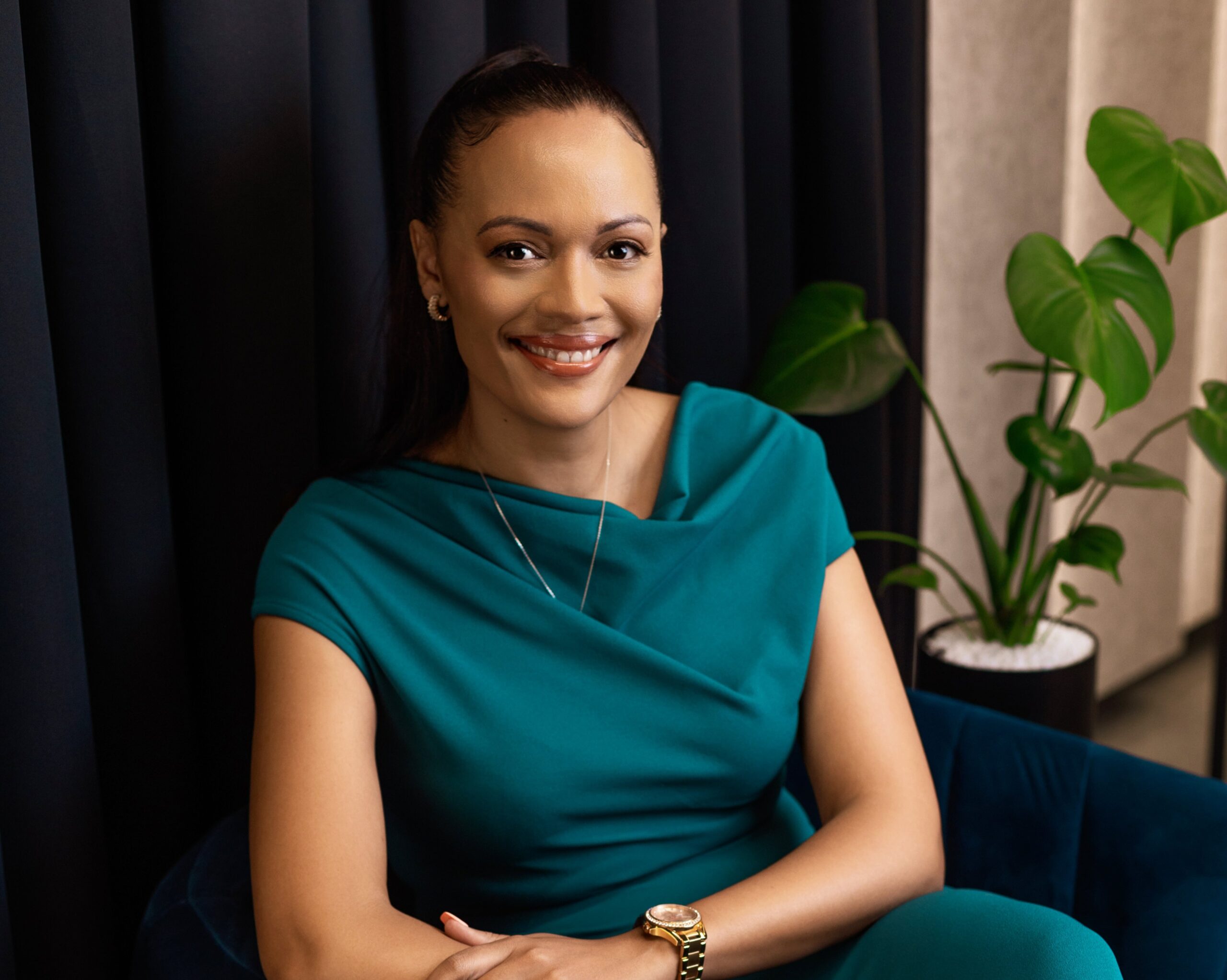
Lytania Johnson has been in the banking industry for over 20 years. During this time, she’s worked across different banking functions but really appears to have found her sweet spot as the CEO of FNB South Africa’s Personal Segment. In this role, Johnson is responsible for FNB’s entry banking, middle market, and emerging affluent clients. So, anyone earning up to R750 000 per annum.
Recent numbers show that more South Africans are participating in formal financial markets and that the share of unbanked citizens has declined significantly in the last two decades, according to the 2024 FinScope Survey. In 2023, 98 per cent of South African adults were served by the formal financial sector, with 84 per cent having a bank account in their own name. This is a substantial improvement over 2023, when only 52 per cent of adults were banked, and 55 per cent were served by formal institutions.

advertisement
Despite this progress, Johnson stresses that there is still a lot of work to be done. Especially when you consider how many people are underbanked and underserved. By this, she means that there is still a massive group of people who aren’t using financial tools as effectively as they could. “We call this shallow usage or mailbox banking. These customers might have a bank account, but as soon as money goes in, they immediately draw it all out and pay for everything with cash.” While this might not seem like a big problem, Johnson explains that someone who is banking like this will never have access to what she terms ‘resilience building’ products, like credit, insurance, pension funds and life cover.
When you take a closer look at these customers, it’s clear that many are part of informal savings or use mobile money apps, showcasing that they are willing to engage with products that address their real needs. If banks want to tap into this market, it’s essential to build solutions that speak to the lived realities of these ‘shallow’ users, she notes. “And once you’ve developed the right tools for this market, you need to prioritise consumer education,” she explains, adding that FNB does this only for its customers but for all South Africans who aren’t getting the most out of their banking experience.
“This means spending time trying to improve financial literacy and shifting financial attitudes and behaviours around money.” This can’t be a ‘once-off’ initiative, she adds. It must be a continuous learning journey because, as people become more comfortable using different financial products, their needs evolve. Someone might start by learning what a budget is and how to create one, then move on to understanding credit and credit scoring.
advertisement

FNB’s nav» offers a range of digital tools, including a Money Coach, which provides free interactive financial education to help people improve their financial health and make smarter money moves. Similarly, Fincents, a free educational resource, helps users improve financial literacy at their own pace and on their own time, Johnson says. “The goal really is to promote continuous learning so that users can keep expanding their knowledge and, ultimately, manage their money better over the long term.”
A lifelong learner herself, Johnson has seen the value of this in her own career. “Over the course of my career, so much has changed, but right now, we are seeing major disruption across every industry. If we aren’t keeping a close eye on what’s happening globally and domestically, we run the risk of falling behind,” she says. An avid reader and podcast fan, she is constantly looking for opportunities to absorb new information and is quick to then share these insights with her team. She also likes to learn by spending time ‘on the ground’. “I’m a big believer in the power of customer research, so I love getting the opportunity to visit our different branches or contact centres and see what’s happening. The goal here is to really find out what our customers think is important rather than delivering what we think is important.”
advertisement
This, she says, comes back to the disruption she highlighted earlier. Tech leaders need to develop a tech fluency that goes beyond what one might traditionally expect, she says. “There is so much hype around technology, but as leaders, we must think about how we are going to shape the future. For me, this means leveraging new and emerging technologies to humanise the work we do,” she says. “Forming positive partnerships between the tech and the human is incredibly important because we can’t forget that our customers are human beings and we need to treat them as such if we want to earn their trust.” As a simple example, she highlights how FNB provides relief to customers on their funeral cover policies during times when money is tight and they can’t afford to pay their premiums.

Johnson also mentions FNB eWallet, a service that allows users to send money instantly to any valid South African cellphone number, even to someone without a bank account. “eWallet was designed to provide a link between the banked and when you look at the usage numbers for this service, the impact speaks for itself,” she notes. Today, of the 8.2 million eWallet users who have completed around R42 billion in cash withdrawals, over 6 million do not have an FNB bank account. “For me, these numbers show that eWallet is addressing a real need by making it easier for people to access money,” she explains.
As a tech leader in this space, it’s important for us to remember that our role isn’t just about the latest tools or the freshest innovations – when you’re dealing with people’s money, it is deeply personal, Johnson concludes. “Someone’s financial decisions are rarely just about numbers; they’re about priorities – putting food on the table, paying for a loved one’s education, starting a business or buying a home. In this segment, people have limited resources, which is why it is so important for us to help them learn to manage their money more effectively and hopefully make smarter financial decisions.”
This interview was featured in the March 2026 edition of CIO Africa Magazine.