
advertisement
Cameroon To Block 700,000 Undeclared Phones


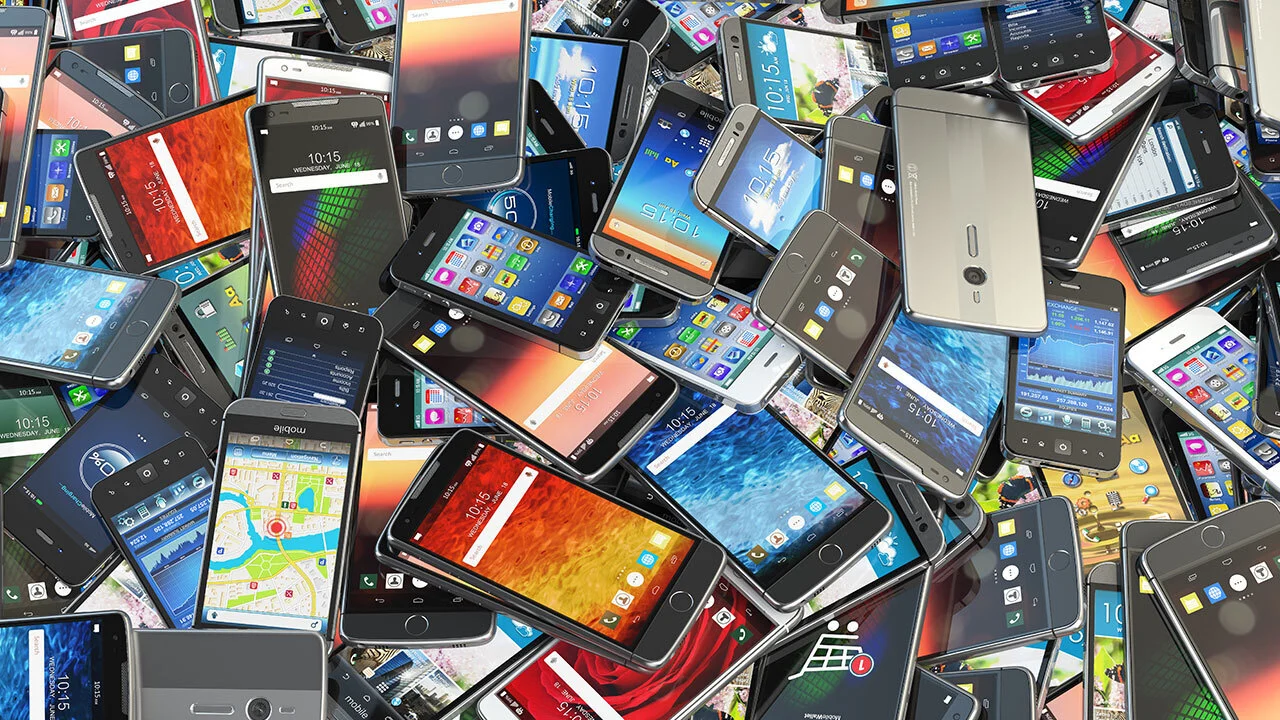
Cameroon is enforcing a directive to block hundreds of thousands of mobile phones from its networks as authorities tighten enforcement around imported digital devices.
The phones in question are devices that connected to local networks without being cleared through customs. On May 22, 2026, Cameroon’s Director General of Customs, Fongod Edwin Nuvaga, ordered telecom operators Camtel, MTN Cameroon and Orange Cameroun to disconnect mobile phones, tablets and other digital devices that have not been cleared through the government’s customs platform, CAMCIS(Cameroon Customs Information System). The directive takes effect from May 25, 2026.
The issue traces back to Cameroon’s electronic customs clearance system for mobile phones, tablets and other digital terminals. The system uses each device’s International Mobile Equipment Identity, commonly known as the IMEI number, to check whether customs duties have been paid before a device is allowed to operate on local networks. When a phone tries to connect, the telecom operator checks its IMEI against the customs database. If there is no clearance record, the device can be blocked.
advertisement
Customs authorities say nearly 700,000 new phones connected to local networks between April 1 and April 25 without proper customs clearance. Those devices are now at risk of disconnection unless users regularise them.
The regularisation process is handled through CAMCIS. The platform identifies the phone model, calculates the customs duty based on market value, and allows the owner to pay through MTN Mobile Money or Orange Money. Once payment is confirmed, the device’s IMEI is cleared and network access can be restored. The duty is listed at 33.3 percent, although tourists using roaming services for under 90 cumulative days are exempt, as are devices covered under a tax amnesty programme.
The government is trying to deal with a long-running problem in the phone import market. Many devices enter the country without proper declaration, cutting into customs revenue and creating an uneven market for importers who follow the official process. Cameroon says monthly revenue from phone imports has fallen from nearly CFA 2 billion in the 2000s to around CFA 100 million by 2025, a decline linked to smuggling, under-declaration and the country’s large informal electronics market.
advertisement
Officials estimate that undeclared devices cost the state roughly $21.5 million every year. Under the new system, authorities are projecting annual revenue of at least CFA 25 billion, compared with roughly CFA 1.3 billion previously. Customs has already reported more than CFA 200 million collected in a single week ending May 8, with over 51,000 devices declared through the system.
The legal basis did not begin with the May directive. It dates back to Cameroon’s 2023 Finance Law, which introduced mandatory digital customs clearance for imported phones and tablets. The enforcement infrastructure, however, took longer to build. On March 31, 2026, Finance Minister Louis Paul Motaze and Customs Director Nuvaga officially launched the system and gave the public a one-month grace period through April. During that transition period, undeclared phones were not automatically blocked while users were encouraged to regularise their devices voluntarily.
That grace period ended with hundreds of thousands of phones still outside the system. The May 22 directive now shifts the policy from awareness to enforcement.
advertisement
The role of telecom operators is central. Because operators are now legally liable for unpaid duties on devices they allow onto their networks, they have little room to ignore the directive. In practice, telecom networks have become part of Cameroon’s customs enforcement chain.
For consumers, the biggest risk is buying a phone that appears normal at the point of sale but has not been properly cleared. If the device is later flagged by the system, it can lose access to local networks. The buyer may end up paying the customs duty themselves, even if they did not know the seller had failed to declare the phone.
The policy also raises questions about affordability. A 33.3 percent customs duty could make smartphones more expensive for ordinary users who rely on informal imports because they are cheaper. If thousands of phones lose network access, public frustration may land first on MTN, Orange and Camtel, even though the policy is being driven by customs authorities.
The initiative therefore goes beyond tax collection. It links customs enforcement to telecom infrastructure, using the mobile network as a checkpoint for imported devices. That gives the state a stronger way to track undeclared phones, but it also raises practical questions about consumer awareness, seller responsibility and how much protection is available to buyers who unknowingly purchase non-compliant devices.