
advertisement
Vodacom Targets AI-ready Data Centres For Kenya And SA

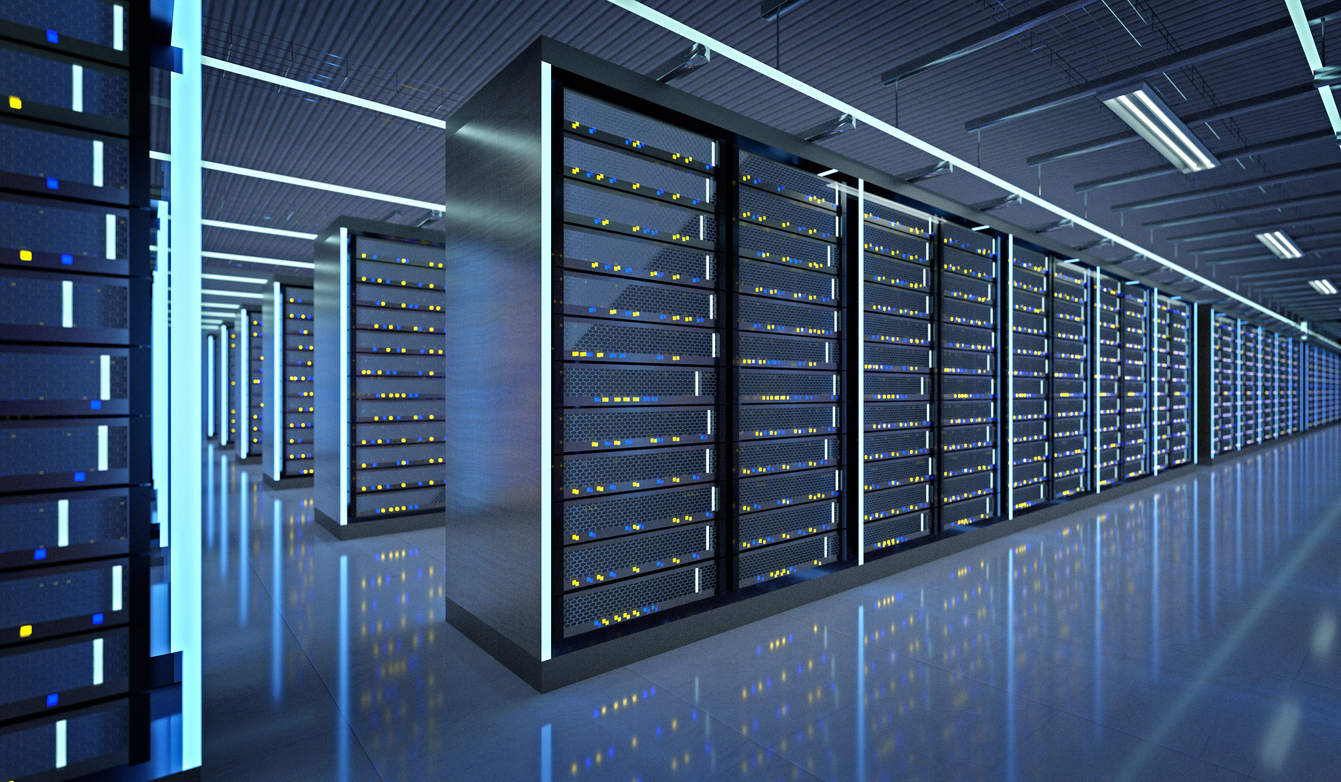
Vodacom Group plans to build high-capacity, AI-ready data centres in Kenya and South Africa through co-investment partnerships to help African enterprises run heavy artificial intelligence workloads locally rather than offshore, CEO Shameel Joosub announced this week following the release of the telecom giant’s strong interim financial results.
Speaking to Business Day, Joosub confirmed that the group will “probably look to do something in Kenya and maybe in South Africa as well”, moving beyond traditional enterprise hosting to meet surging demand for AI computing power.
His reasoning was, “We have data centres in most of our markets, but they’re not AI-ready data centres,” he said. “They can handle enterprise-grade stuff but not the big AI workloads.”
advertisement
The blueprint is already in the ground
Vodacom is not starting from scratch. In Egypt, through its majority-owned subsidiary Vodafone Egypt, it has broken ground on a large facility via Africa Data Centres Egypt, a joint venture signed under the Vodafone Business banner with Elsewedy Electric and Cassava Technologies. The first phase is expected to attract about $200 million in foreign direct investment, rising to $1 billion at full capacity.
Joosub said the next builds will be in East and Southern Africa, and that both Kenya and South Africa offer strong options. “There’re opportunities in both to be honest that can carry the normal workloads,” he said. “We’re looking at where the opportunities exist.”
advertisement
He also wants to bring others along, a strategic necessity as much as a financial preference. Following the Safaricom transaction, Vodacom’s net debt climbed to approximately $8.16 billion (R135.6 billion), making off-balance-sheet financing central to its infrastructure plans. “We’ll look at potentially bringing on partners to co-invest with us in building those data centres,” Joosub said.
Power and partnership with government
Joosub was clear-eyed about what makes an AI facility work. “For an AI data centre you need a lot of power,” he said. He described engagement with governments as having “become very important” in deciding “where you build the data centre and can you get enough power to make sure that they work”. That puts energy and public-private cooperation at the centre of the plan, alongside investment.
advertisement
Mobile money fuels the ambition
The announcement came alongside a strong set of interim results. Revenue for the six months to 30 September 2026 rose 25.6% to approximately $6.17 billion (R102.5 billion).
Earnings Before Interest, Taxes, Depreciation, and Amortization (EBITDA) climbed 40% to approximately $2.57 billion (R42.7 billion), or 18% on a pro-forma basis. Headline earnings per share rose 25.7%, and shareholders will receive an interim dividend of 355 cents a share.
Financial services led the way. Revenue in the segment rose 99% to approximately $957 million (R15.9 billion), helped by the consolidation of Safaricom, home of M-Pesa, from 30 June. Vodacom now serves 108 million financial services customers, up 15%, within a group base of 250 million. More than $575 billion moved across its platforms over the past 12 months. Services beyond mobile, covering fixed lines, digital and IoT, now account for 27.4% of group service revenue.
The Safaricom transaction, which raised Vodacom’s effective stake from roughly 40% to 55%, is the subject of an expedited appeal after Kenya’s High Court declared the government’s sale of its 15% stake void in September. The Court of Appeal has ordered that the status quo be maintained while the case proceeds.
Momentum across the region
Vodacom’s plans add to growing investment in African digital infrastructure. South Africa is the continent’s leading destination for data centre investment, and President Cyril Ramaphosa said earlier this year that about approximately $3.01 billion (R50 billion) in digital infrastructure investment was expected over three years. Teraco, Vantage Data Centres, Open Access Data Centres, Equinix, AWS, Google and Microsoft Azure all operate there.
Kenya is building fast too. Airtel Africa broke ground in June on a 44MW data centre at Tatu City outside Nairobi, and iXAfrica has secured funding to expand in the capital. MTN is among investors backing US-headquartered, Middle East-backed developer ODC, and Telkom South Africa is working to repurpose its network sites as edge data centres closer to customers.
“The likes of Kenya and South Africa have been doing quite a lot from a tech perspective,” said Isaah Mhlanga, chief economist at RMB, as the bank released its Where to Invest in Africa 2026/27 report.
Why it matters for CIOs
More AI-ready capacity in Kenya and South Africa would give technology leaders more choice over where their AI workloads run, and more options for keeping data on the continent. With an operator of Vodacom’s scale now committing publicly to that direction, CIOs have good reason to put AI hosting on the agenda in their next conversations with their telco and cloud partners.
Vodacom has yet to announce sites, capacity or timelines for the Kenya and South Africa builds. Those details will be worth watching.