
advertisement
Uganda’s Temporary Internet Shutdown Ahead Of 2026 Elections


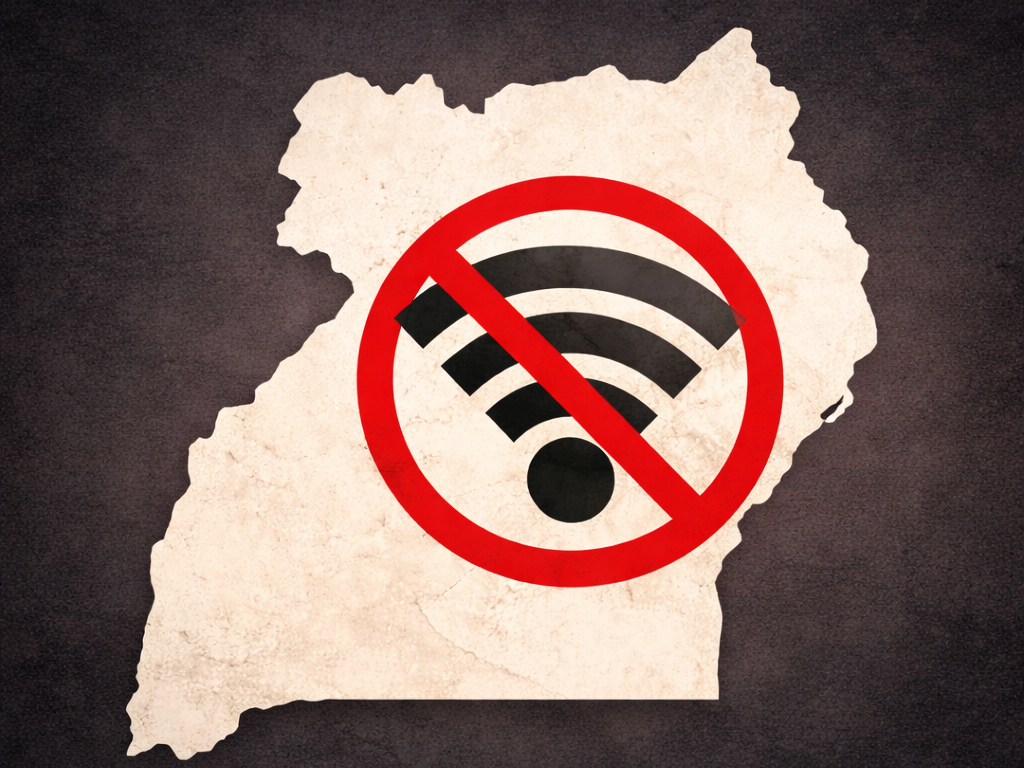
As Uganda approaches its highly contested January 15, 2026 general elections, the Uganda Communications Commission (UCC) has ordered a temporary suspension of public internet access and selected mobile services just 48 hours before polling day. The shutdown, which took effect on Tuesday, January 13 at 6:00 PM local time, has sparked intense debate about security, transparency, and citizens’ rights at a sensitive political moment.
Under the UCC directive, all licensed mobile network operators (MNOs) and internet service providers (ISPs) were instructed to suspend public internet access and certain mobile services.
The shutdown affects a wide range of digital services, including access to social media platforms, general web browsing and internet traffic, personal email and messaging applications, as well as the sale and registration of new SIM cards. It also extends to outbound data roaming services within the East African One Network Area, significantly limiting cross-border mobile connectivity during the election period.
advertisement
Exceptions have been made for specific critical services including healthcare systems, banking infrastructure, government administrative networks, immigration, and voter verification systems but access is tightly controlled and limited to authorised personnel through secure private channels.
The UCC said the shutdown follows a “strong recommendation from the Inter-Agency Security Committee” and was intended to mitigate the rapid spread of misinformation, disinformation and election-related risks, as well as to prevent content that could incite violence or undermine public confidence in the electoral process.
This is not the first time the internet has been curtailed around an election in Uganda. Ahead of the 2021 polls, the government similarly restricted online access for several days, a move criticised by rights groups and digital observatories at the time for impeding communication and transparency.
advertisement
In the lead-up to the 2026 election, authorities publicly denied any plans to suspend internet services. Government officials dismissed earlier rumours as misinformation intended to “create fear and uncertainty,” even as regulatory bodies issued stern warnings against live reporting of unrest or provisional results.
Reactions to the shutdown have been sharply divided:
- Opposition leader Robert Kyagulanyi, widely known as Bobi Wine, condemned the move as a deliberate attempt to stifle communication and transparency. “Uganda will be free!” Wine declared on social media, framing the shutdown as suppressive and timed to disadvantage opposition mobilisation.
- Human rights organisations have also voiced alarm. The Kenya Human Rights Commission (KHRC) warned that the decision, taken amid reports of intimidation, arrests, and NGO permit suspensions, “may exacerbate the situation”, potentially undermining freedom of expression and open electoral observation.
The government’s stated goal is to prevent misinformation and safeguard public order, with the UCC emphasising national security and stability during the electoral period. Nyombi Thembo, UCC’s Executive Director, framed the shutdown as a legitimate security measure, defending it under national safety priorities.
advertisement
Beyond politics, the shutdown will have tangible effects on everyday life. Many Ugandans rely on mobile internet for banking, business operations, education, and social interaction. Local digital rights advocates have pointed out that restricting connectivity not only limits expression but disrupts economic activity, especially for freelancers, online businesses, and workers dependent on digital platforms.
Digital observatories such as NetBlocks have confirmed the network disruption at a nationwide scale, noting significant drops in social media and mobile broadband access consistent with the regulatory directive.