
advertisement
South Africa’s SIM Registration Rules Face Industry Pushback

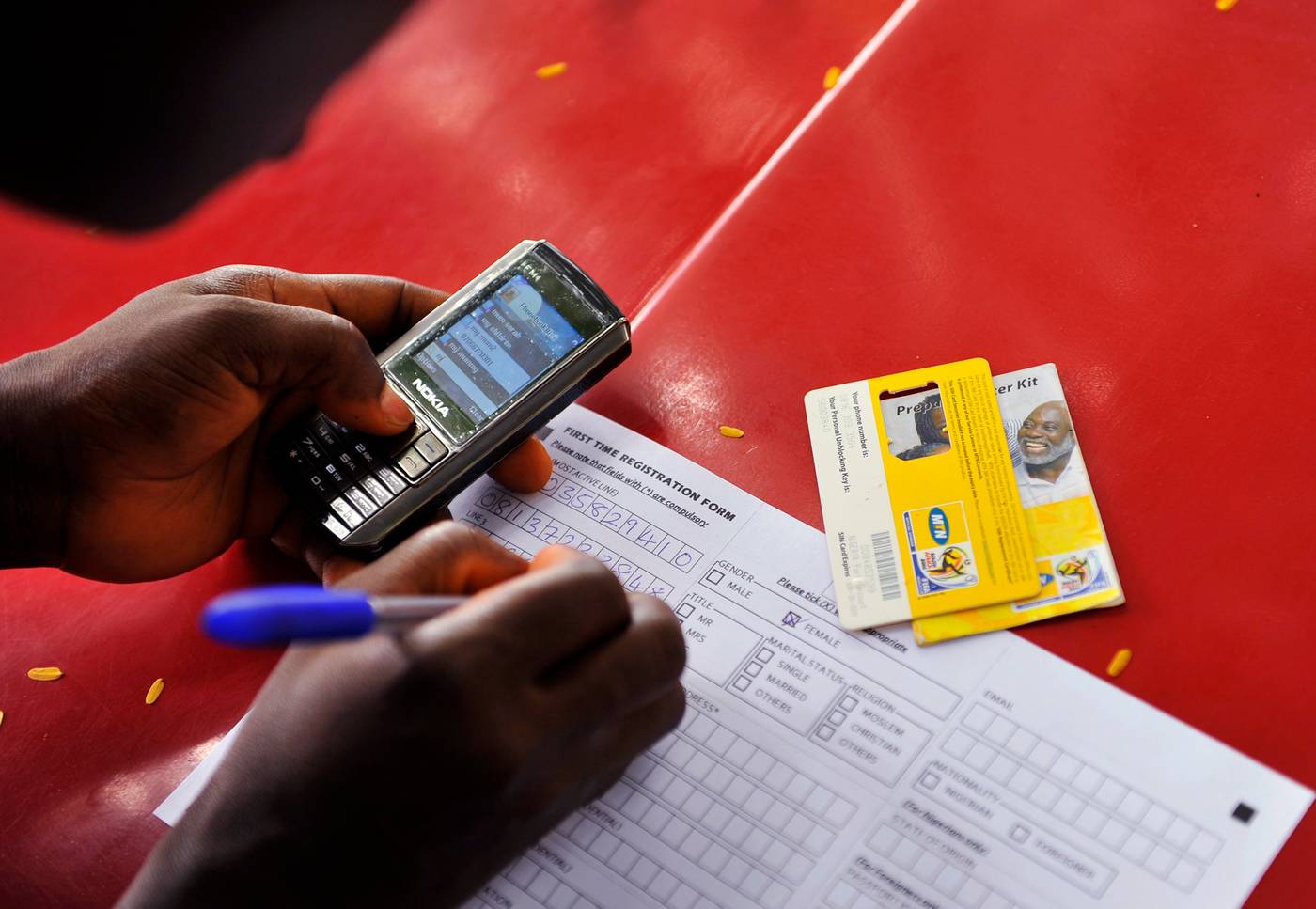
Before a SIM card reaches a customer, someone must verify their identity. In South Africa, the telecoms industry says that process can be difficult in rural areas, where agents often rely on slow 2G connections.
A dispute between the country’s telecommunications regulator and mobile operators over proposed SIM registration rules is largely framed as a question of regulatory authority. Beneath it lies a more practical challenge: who can register a SIM card, and where?
When Nomvuyiso Batyi, chief executive of the Association of Comms & Technology (ACT), discusses the proposed rules, she repeatedly returns to the places where SIM cards are sold.
advertisement
Batyi said industry research found that agents in rural areas were registering SIM cards over 2G connections. ACT, whose members include Vodacom, MTN, Telkom, Cell C, Rain and Liquid Intelligent Technologies, wants informal sellers, including vendors at taxi ranks, to be able to verify customers themselves.
That ambition now faces scrutiny from a draft published by the Independent Communications Authority of South Africa (Icasa) on October 28. The proposed amendments to the country’s numbering regulations would require every new SIM, reactivation and SIM swap to undergo fingerprint or facial verification against Home Affairs records.
Existing customers would have two years to undergo re-verification. No operator would be allowed to assign more than five numbers to one subscriber. Violations of the core verification requirements would attract fines of approximately US$122,460 to US$244,920 per offence.
advertisement
Companies would be exempt from biometric checks but remain subject to the five-number limit. Interested parties have 30 working days from October 28 to submit comments.
The cost of a check
Batyi said each verification against Home Affairs’ database costs R10. “It adds up,” she said.
advertisement
ACT supports stronger SIM registration but does not endorse the draft in its current form. In June, the association announced its own interim framework, covering identity verification, registration controls and oversight of SIM distribution.
The framework proposes allowing each person to register up to 20 SIM cards per network, compared with Icasa’s proposed limit of five. Batyi said the figure of 20 “is not cast in stone”, adding that people with more dependants may need additional numbers.
Her objections extend beyond the proposed limits. SIM registration in South Africa is governed by Section 40 of the Regulation of Interception of Communications Act (Rica), administered by the Department of Justice and Constitutional Development.
Icasa is relying on its authority over numbering and argues in its explanatory memorandum that its proposed verification requirements are “distinct from” Rica registration.
Batyi told TechCentral that the regulator was “giving yourself powers that you do not have”. However, she also acknowledged that Icasa could act on numbering while Rica is being rewritten. ACT intends to challenge the draft in its formal comments.
The article does not detail the legal arguments underpinning Batyi’s position.
A rural problem
ACT has also asked the Justice Department to remove Rica’s requirement that subscribers provide a physical address. Batyi argued that many people in rural areas and informal settlements do not have one, and that location data could be used as an alternative.
The industry’s technical work focuses on “liveness” tests, which establish that a real person is present during registration rather than relying on a photograph or a copied identity document.
Batyi said the Competition Commission is overseeing the initiative, while an independent third party assesses operators’ readiness and compliance.
In a letter received last week, she said, the Commission told ACT that any technical solution would have to be submitted for approval before implementation.
ACT had targeted January for a soft launch but now expects the process to take about another month. The association has also asked Home Affairs’ chief information officer to confirm that its proposals are compatible with the department’s systems.
Batyi was particularly critical of Icasa’s proposed two-year re-verification window. She compared the timeline with South Africa’s stalled digital television migration.
“It’s almost like you’re setting us up, as South Africans, for failure,” she said.
She said she was surprised by the draft, claiming Icasa had attended industry meetings with the Justice Department and had seen ACT’s research.
Icasa told TechCentral it would not comment.
ACT plans to launch a public campaign in January urging people to check how many SIM cards are registered against their identity numbers.
On fraud, Batyi said SIM-swap fraud “hasn’t gone away” but is “not as big as it was”. WhatsApp scams are now the biggest problem, she said, followed by fraud involving stolen phones. One-time PIN fraud is also on the rise.