
advertisement
Malawi Faces Major Mobile Internet Usage Gap, GSMA Report Shows

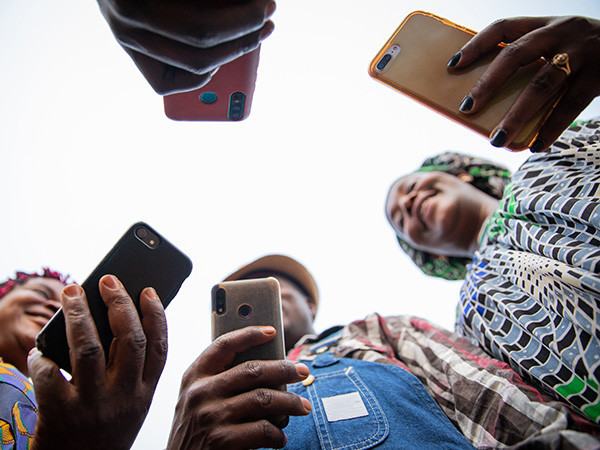
Malawi has made significant progress in extending mobile connectivity, but most of its population remains offline despite living within areas covered by mobile broadband networks.
A new report from the GSMA estimates that around 80% of Malawians live within mobile broadband coverage but do not use mobile internet, highlighting a growing gap between network availability and meaningful digital access.
The report, Driving Digital Transformation of the Economy in Malawi: Opportunities, Policy Recommendations and the Role of Mobile, argues that closing this usage gap could have significant economic and social benefits for the country.
advertisement
According to the analysis, targeted digital reforms could generate an additional MWK 1.1 trillion in economic value and create about 490,000 jobs by 2030. The findings were released on 20 August 2026 during the GSMA’s Digital Africa Summit in Lilongwe, as policymakers and industry stakeholders consider how Malawi can accelerate digital adoption and support the country’s longer-term development ambitions.
The report links greater digital access to potential improvements in areas such as education, financial services and access to digital government services. It also positions mobile connectivity as an important component of Malawi’s development plans, including Malawi 2063, the Government’s 2025–2030 manifesto, the Digital Malawi Acceleration Project and the Inclusive Digital Transformation for Malawi.
Coverage is growing, but usage is not keeping pace
Malawi’s connectivity infrastructure has expanded considerably in recent years. The country reached 87% 4G population coverage in 2025, while mobile data prices remain among the more affordable in Africa. Mobile money has also become an established part of the financial system. According to the GSMA report, 75% of adults actively use mobile money, with more than 576 million transactions worth MWK 8.6 trillion processed during 2025. Yet these gains have not translated into widespread mobile internet use.
advertisement
The GSMA estimates that unique mobile internet penetration stands at just 12.5%, while smartphone adoption is 33%. This leaves a substantial proportion of the population unable to take advantage of the digital services and economic opportunities enabled by mobile connectivity. The gap is particularly pronounced when compared with other African markets. Around 80% of Malawi’s population is estimated to be living within mobile broadband coverage without using mobile internet, compared with a regional usage gap of approximately 65%.
The figures suggest that the next stage of Malawi’s digital transformation will require more than building additional networks. Infrastructure remains important, particularly in underserved areas, but getting people to actually use the networks will require attention to the cost of devices and services, digital skills and the wider economic environment.
“Malawi has made strong progress in expanding connectivity and financial inclusion, but access alone is not enough. With 80% of the population still offline despite network coverage, the priority now must be turning access into meaningful use.
advertisement
“This requires decisive action to address affordability, digital skills and investment barriers. With the right policy environment in place, Malawi has a clear opportunity to unlock significant economic growth and ensure that digital transformation benefits everyone,” Caroline Mbugua, Senior Director Public Policy at GSMA Africa, said.
Affordability remains a central barrier
The report identifies device affordability and limited digital skills among the key barriers preventing more Malawians from moving online. While mobile networks may be available, owning a smartphone capable of accessing modern digital services remains beyond the reach of many households. The relatively low smartphone adoption rate of 33% is therefore an important part of the wider usage challenge.
The wider investment environment also presents obstacles. Foreign exchange shortages and high energy costs can increase the cost of maintaining and expanding telecommunications infrastructure, making it more difficult for operators to invest in network expansion and capacity. These challenges are particularly important outside urban areas, where lower population densities and higher infrastructure costs can make commercial investment more difficult.
The GSMA therefore argues that Malawi needs policies that address both sides of the connectivity equation: ensuring that networks continue to expand while making it easier and more affordable for people to use them.
What greater digital adoption could mean for Malawi
The potential economic impact is one of the central findings of the report. If the recommended reforms are implemented, the GSMA estimates that Malawi could add 810,000 mobile internet users by 2030, taking the total number of users to about five million. The report projects that this could contribute MWK 1.1 trillion in additional economic value across key sectors and support the creation of approximately 490,000 jobs.
There could also be an impact on government revenues. The GSMA estimates a net positive fiscal impact of MWK 179 billion by 2030, driven by increased digital adoption and improved tax compliance. The projections illustrate why the usage gap is increasingly being viewed as an economic issue rather than solely a telecommunications challenge.
Greater access to mobile internet can allow individuals and businesses to participate in digital commerce, access financial services, acquire new skills and interact with government services online. For businesses, wider connectivity can also create opportunities to reach customers beyond traditional physical markets.
Six areas for policy reform
The GSMA report proposes a series of measures intended to help Malawi move from broad network availability towards more widespread digital participation. One area is the investment environment. The report calls for improved access to foreign exchange, longer spectrum licence durations and lower energy costs. It also recommends recognising telecommunications infrastructure as critical national infrastructure, which could help support the resilience and expansion of networks.
Rural connectivity is another priority. The report recommends improving the effectiveness of Universal Service Fund mechanisms and directing greater support towards communities that remain underserved. The mobile money sector also features prominently in the recommendations. While mobile money adoption is already relatively high, the GSMA proposes reducing sector-specific levies, harmonising regulations and supporting mobile money agent networks to sustain further growth.
Affordability is a further area where policy intervention could influence adoption. The report recommends eliminating the 10% excise duty on mobile services and reducing taxes on entry-level smartphones, with the aim of lowering the cost of getting online.
The report also calls for broader national digital skills programmes and greater use of digital public services. These measures would address some of the demand-side barriers that prevent people from making meaningful use of connectivity once it becomes available.
Finally, the GSMA recommends strengthening governance and national digital planning. This includes developing a coordinated National Digital Economy Strategy, modernising digital legislation and creating a national AI strategy aligned with continental frameworks.
From connectivity to meaningful access
Malawi’s experience reflects a broader challenge facing many African countries.
Expanding network coverage has traditionally been one of the most visible measures of digital progress. But as coverage increases, the reasons people remain offline become more complex. A person can live in an area with 4G coverage and still remain disconnected because they cannot afford a smartphone, lack the skills to use digital services or face other economic and structural barriers.
The GSMA report therefore shifts attention from the question of whether a network reaches a community to whether people can afford to use it and have the skills and services needed to benefit from it.
For Malawi, the economic projections attached to closing that gap are substantial. Reaching 99% 4G population coverage by 2030, bringing hundreds of thousands of additional users online and expanding digital participation could contribute significantly to the country’s economic development.
But achieving those targets will depend on more than investment from mobile operators. The GSMA argues that coordinated action by government, regulators and industry will be necessary to tackle affordability, skills, investment constraints and the policy environment.
With four out of five Malawians estimated to be offline despite living within mobile broadband coverage, the country’s next digital challenge is no longer simply about putting more people within reach of a network. It is about ensuring that being within reach actually translates into being able to participate in the digital economy.