
advertisement
How AI Is Shaping The US-Israel Conflict With Iran


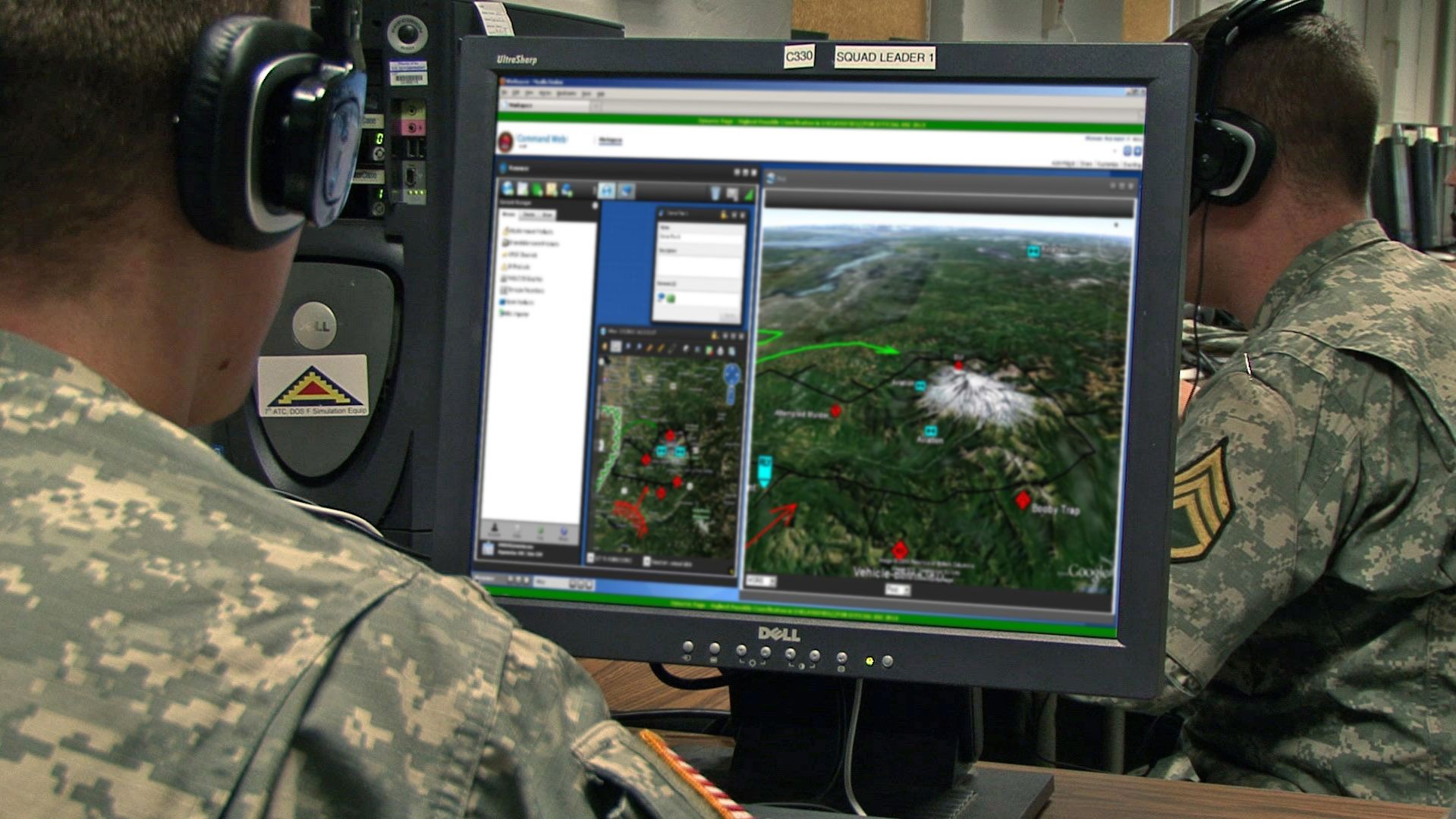
The confrontation between the United States, Israel and Iran is unfolding at a moment when artificial intelligence is beginning to influence how wars are planned and executed. Missiles, drones and cyber operations remain the most visible elements of the conflict, but algorithmic systems now play a growing role in analysing intelligence, identifying targets and coordinating operations.
The latest phase of the confrontation escalated on 28 February 2026, when the United States and Israel launched a coordinated campaign of air and cyber strikes against Iranian military infrastructure. Fighter aircraft, cruise missiles and drones struck missile launch sites, command centres and air defence systems across Iran. Within the first day of the campaign, reports indicated that more than 1,000 targets had been hit, including installations linked to Iran’s missile programme and military command network.
The scale and speed of the operation reflected a shift in how military intelligence is processed. Systems connected to the Pentagon’s Maven Smart System, an analytics platform originally developed to process drone imagery, helped analysts interpret large volumes of satellite and surveillance data during the campaign. By processing imagery, signals intelligence and battlefield reports simultaneously, these systems allowed military planners to prioritise targets and coordinate multiple strike operations within short timeframes.
advertisement
Faster Decisions, Faster Strikes
Military strategists often describe this transformation as decision-cycle compression. Modern battlefields generate enormous volumes of data from satellites, drones, radar systems and communications intercepts. Artificial intelligence allows analysts to process these streams far more quickly than traditional intelligence workflows.
In practical terms, the technology shortens the military “kill chain”. The sequence of detecting a target, confirming it and executing a strike. During the opening phase of the 2026 campaign, analysts said AI-assisted intelligence systems helped coordinate hundreds of strikes within hours, increasing the tempo of military operations.
advertisement
Rather than replacing human decision-makers, these systems function as analytical tools that organise large datasets and highlight patterns that analysts might otherwise miss. Commanders still make the final decisions, but the information reaching them now arrives far faster than in previous conflicts.
Iran’s Counterstrike
Iran responded quickly to the strikes. Iranian forces launched missile and drone attacks against Israeli territory and US military bases across the Gulf region. Targets included installations hosting American troops in Iraq and Syria, as well as infrastructure linked to regional energy networks. Allied groups such as Hezbollah also increased rocket and drone attacks against Israel from Lebanon.
advertisement
The retaliatory campaign reflected Iran’s long-standing strategy of asymmetric warfare. Rather than confronting US airpower directly, Tehran has historically relied on missile systems, proxy networks and regional pressure to impose costs on adversaries.
Iranian officials also warned that the Strait of Hormuz, one of the world’s most important shipping routes for oil, could become a flashpoint if attacks on Iranian territory continued. Any disruption to shipping in the Strait would have significant consequences for global energy markets.
The Cyber Front
The conflict has also expanded into the digital domain. Cyber operations have accompanied many of the military strikes, targeting communications networks and surveillance systems. Iranian cyber units and affiliated groups have reportedly launched attacks against infrastructure in countries supporting US operations, including energy networks and logistics systems.
Cyber warfare has long been part of the rivalry between Iran, Israel and the United States. One of the earliest examples occurred in 2010, when the Stuxnet malware targeted centrifuges at Iran’s Natanz nuclear facility. The attack disrupted nuclear enrichment operations and demonstrated that digital operations could produce physical damage to strategic infrastructure.
Today, cyber operations are increasingly supported by artificial intelligence. AI systems can analyse network traffic patterns, detect anomalies and identify potential vulnerabilities across complex digital infrastructures. These capabilities allow analysts to respond to cyber threats far more quickly than traditional methods.
The Data Center Battlefield
Another emerging front in the conflict involves attacks on digital infrastructure itself. In early March 2026, drone strikes attributed to Iranian retaliation damaged cloud computing facilities in the Gulf region, including data centres used by major international cloud providers. The attacks disrupted regional online services and highlighted the vulnerability of the computing infrastructure that underpins modern economies.
Data centres now support not only corporate networks but also government systems, intelligence analysis platforms and artificial intelligence workloads. As AI becomes more central to national security operations, these facilities represent critical nodes in the technological ecosystem that supports modern warfare.
The attacks illustrate how the definition of military targets is evolving. Infrastructure once considered purely civilian, such as cloud networks and communications systems, can now become strategically important during conflicts.
Some technology leaders have begun exploring ways to protect this infrastructure. Elon Musk has proposed the idea of orbital data centres, solar-powered computing platforms deployed in space that could support artificial intelligence workloads without relying on terrestrial power grids. While the concept remains speculative, it reflects growing concern that data infrastructure could become a key target in future conflicts.
AI’s Hidden Risks
Artificial intelligence also plays an important role in intelligence analysis. Large language models can assist analysts in translating intercepted communications, summarising intelligence reports and reviewing open-source information from social media and satellite imagery.
These capabilities allow intelligence teams to review vast volumes of information quickly and identify patterns that might otherwise require weeks of manual analysis.
However, these systems introduce new vulnerabilities. Security researchers warn that large language models may expose sensitive information through data leaks or prompt manipulation. If analysts enter classified material into AI systems connected to external networks, that information could potentially be reconstructed through later queries.
Adversaries may also attempt to exploit these systems through prompt injection attacks, where malicious inputs are designed to extract confidential information or manipulate analytical outputs.
In this sense, AI systems can function both as force multipliers and intelligence risks.
The AI Arms Race
Another dimension of the conflict involves the competition among artificial intelligence developers whose systems are increasingly embedded in national security infrastructure. Models developed by Anthropic, OpenAI and Elon Musk’s xAI are now being used in various intelligence and analytical workflows.
Reports during the early weeks of the conflict suggested that Anthropic’s Claude model had been integrated into elements of the Pentagon’s Maven intelligence platform to assist analysts processing surveillance data and evaluating potential targets.
Other AI models have been used for translation, intelligence summarisation and data analysis across different government systems. Meanwhile, Grok, the model developed by Musk’s xAI and integrated with the X platform, has been used in open-source intelligence monitoring, analysing social media signals and tracking digital information flows related to the conflict.
Governments are increasingly evaluating which AI systems perform best when analysing intelligence, detecting cyber threats and processing large datasets.
The Ethics Question
The growing reliance on artificial intelligence has raised several ethical and operational concerns. One issue involves the reliability of AI-generated analysis. Large language models can process enormous volumes of information, but they can also produce inaccurate outputs or “hallucinations.”
Another concern is automation bias, where analysts may place excessive trust in machine-generated recommendations. In high-pressure environments, the speed of algorithmic insights can lead decision-makers to rely on them too quickly.
Questions of accountability also arise when algorithmic systems contribute to military decisions. Investigations into AI-assisted targeting during earlier conflicts in Gaza raised concerns about how targets suggested by algorithms were reviewed by human analysts.
Supporters of AI integration argue that the technology can improve situational awareness and reduce intelligence blind spots. Critics warn that accelerating the pace of military decision-making could increase the risk of mistakes.
The Future of War
The conflict between the United States, Israel and Iran illustrates how warfare is entering a new technological phase. Military operations increasingly combine airpower, missile systems, cyber operations, artificial intelligence and digital infrastructure targeting.
History shows that warfare evolves alongside technological innovation. Radar transformed air combat during the Second World War. Precision-guided munitions reshaped bombing strategies during the 1991 Gulf War. Network-centric warfare redefined military coordination in the early twenty-first century.
Artificial intelligence may represent the next stage in that evolution.
The current conflict offers an early glimpse of how future wars may unfold. Military advantage increasingly depends not only on weapons and manpower but also on the ability to collect, process and act on information faster than an adversary.
Artificial intelligence is unlikely to replace human commanders in the foreseeable future. But it is already changing how intelligence is interpreted, how operations are planned and how quickly decisions are made.
In modern warfare, the side that controls data, algorithms and digital infrastructure may gain a decisive advantage on the battlefield.