
advertisement
ClawCon Nairobi Highlights Rise of Personal AI

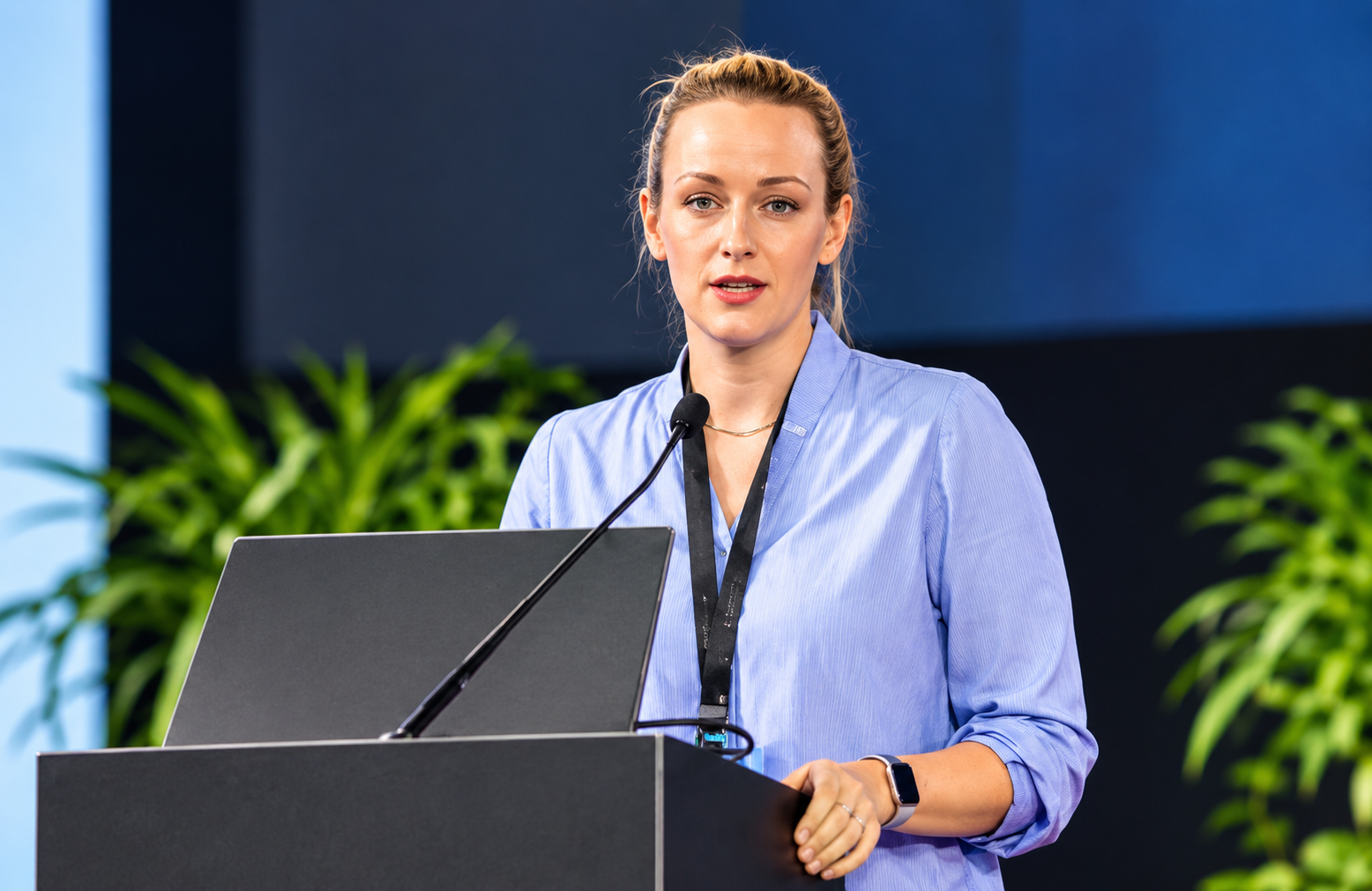
More than 400 developers, entrepreneurs, technology professionals, students and innovators gathered at Strathmore University for ClawCon Nairobi, an event focused on the emerging use of personal AI assistants and autonomous AI agents.
The inaugural conference centred on OpenClaw, an open-source personal AI assistant that can run on a user’s computer, server or cloud environment and, with the necessary permissions, connect to selected communication channels, applications and digital services. The discussions reflected a broader shift in artificial intelligence from systems designed primarily to answer questions towards AI agents capable of carrying out tasks, automating repetitive processes and coordinating activities across digital platforms.
Unlike conventional chatbots, personal AI systems can be configured around the needs of individual users or organisations. This allows them to support specific workflows, including research, information management, software development, content preparation and recurring administrative activities. Developer and OpenClaw community member Frank Odongkara said the technology could offer an accessible way for African entrepreneurs, professionals and students to increase their productivity.
advertisement
“OpenClaw is an exciting technology leap for African entrepreneurs, professionals, and students. It’s now possible to have an intelligent, personal assistant in your WhatsApp DM that is just yours alone. And it costs next to nothing,” he said.
Hosted by First Circle Capital Partner Agnes Aistleitner, ClawCon Nairobi brought together participants from different parts of Kenya’s technology ecosystem, including developers, founders, researchers, creators and business operators. Demonstrations and discussions at the event examined how personal AI agents could be applied to everyday work and business operations, as well as how developers can use the technology to build new products.
The interest in personal AI also points to a broader change in how artificial intelligence is being approached in Kenya. Rather than simply adopting AI products developed elsewhere, developers and businesses are increasingly exploring how AI systems can be adapted to specific markets and local requirements.
advertisement
“Interest is no longer limited to using AI products developed elsewhere. Increasingly, developers and businesses are looking at how these technologies can be built, adapted and applied to local needs,” Ms. Aistleitner said.
OpenClaw was created by Austrian software developer and entrepreneur Peter Steinberger, who previously founded document technology company PSPDFKit. What started as a personal project has grown into an open-source community involving developers, entrepreneurs, researchers and users exploring personal AI applications.
For African entrepreneurs and small businesses, the appeal of personal AI lies partly in the ability to automate routine work without requiring large teams or complex technology infrastructure. An AI assistant configured around a user’s workflow could support administrative tasks, research and information management, among other activities. This could be particularly relevant for smaller businesses where founders and employees often handle multiple functions and have limited resources to dedicate to repetitive tasks.
advertisement
“ClawCon Nairobi highlighted a fundamental change in the way people are thinking about AI. The question is increasingly shifting from what artificial intelligence can generate to what it can actually do,” Ms. Aistleitner added.
The development of personal AI also raises questions around permissions, data access and security as these systems become more capable of interacting with applications and communication platforms. The ability to perform tasks on a user’s behalf makes controls over what an AI agent can access and execute an important consideration for organisations adopting the technology.
As personal AI develops, it could increasingly become an interface between users and the digital tools they rely on, changing how individuals approach routine work and how businesses automate processes and develop new digital products.