
advertisement
JKUAT Hosts Flagship NextGen Technopreneur Forum


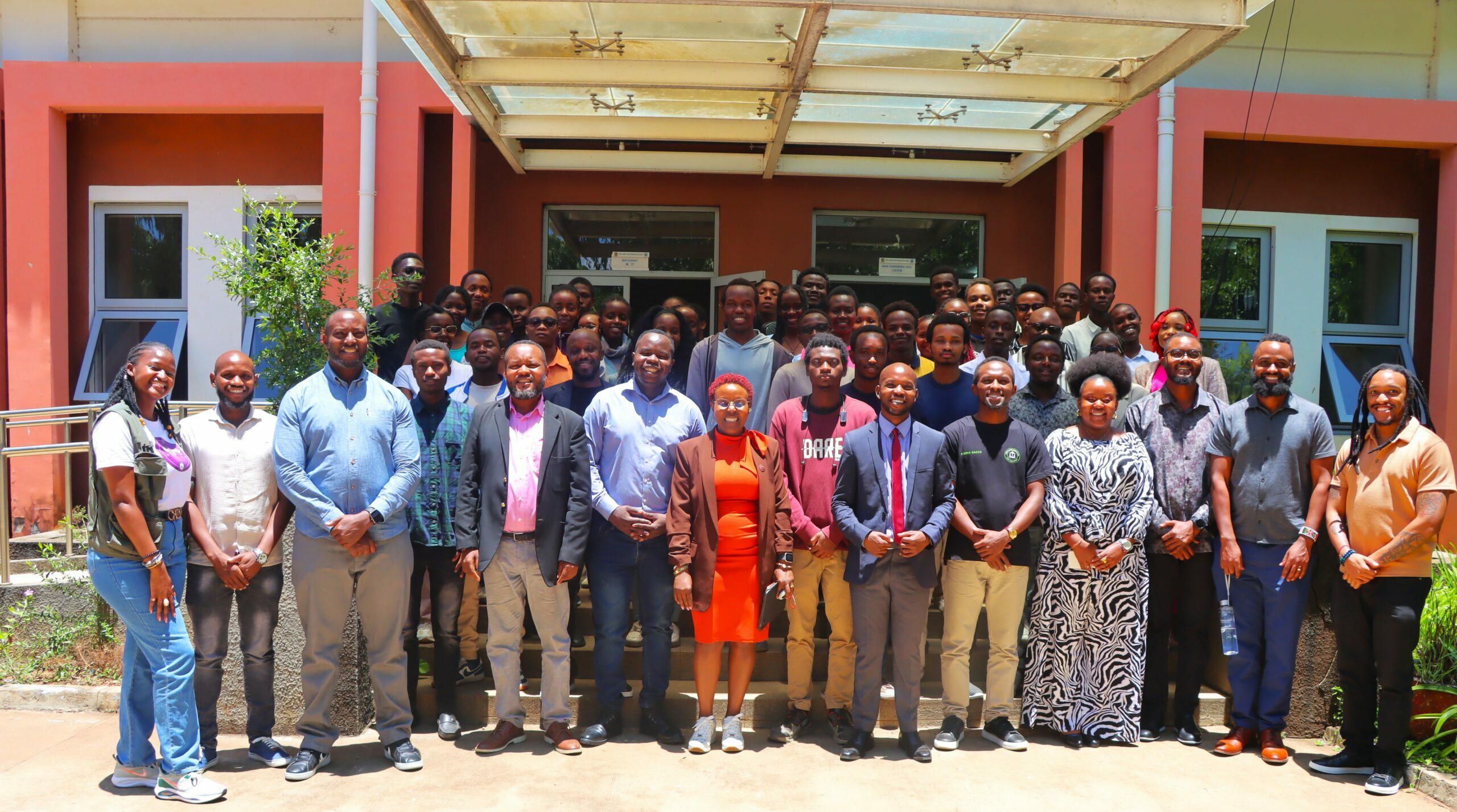
Jomo Kenyatta University of Agriculture and Technology (JKUAT) hosted its flagship NextGen Technopreneur Forum, bringing together students, industry leaders, and ecosystem players for a day focused on mentorship, innovation, and real-world insight into the tech industry.
Focused on mentorship, innovation, and real-world insight into the tech industry, the event, held on 13th March, gathered students mainly from IT and other tech-related fields, inviting them into conversations that explored the realities of the industry.
Held under the theme “From Campus to Unicorns – Tech Meets Hustle,” the forum convened speakers from industry and academia in partnership with CIO Africa by dx5ve, ISACA, JHUB, GDG (Google Developer Group), and SheTech Nexus Africa-JKUAT. The sessions gave students practical exposure, direct insight from professionals, and a clearer understanding of what to expect as they move into the tech space.
advertisement
The day began with opening remarks from Professor Thiong’o, the Deputy Vice Chancellor (Academic Affairs), setting the tone for the forum and officially opening the event. Soon after, Michael Michie, CEO and Founder of Eversetech, took the stage to talk about artificial intelligence, something already shaping the world students are stepping into. His message? Understanding that AI is one thing, but learning how to work with it is what will matter.
A leadership session by Deborah Mutungi, Head of IT at Sarova Hotels and Resorts and the current CIO of the Year, challenged students to rethink leadership as something rooted in responsibility rather than position. Drawing from her own journey, she emphasized accountability as a core trait.
“Leaders are not born out of titles but when you decide to take on responsibility,” she said. “Leadership often begins long before anyone gives you permission.” She said, “If you lose any other thing, don’t lose accountability, because there will be a team watching, listening and getting the direction from you. Be accountable for your actions and have a leadership mindset.”
advertisement
Later, during an open exchange, a student voiced a frustration many could relate to, that opportunities in the tech space often feel limited, sometimes out of reach. Deborah addressing the concern, advised them to look for opportunities, create them, and focus on solving real problems.
As the day moved on, attention turned to something students rarely think about while building ,security. In a session titled “You Built It… But Is It Secure?”, Faith Wanyangu, a SOC Analyst at DTB Bank, walked students through what happens when systems are not protected.
That idea of data, and what it says about us, came up again in a panel discussion on digital identity. Moderated by Timothy Laku, fractional CIO/CTO, AI startups & Organisations and featured voices like Hartnell Ndungi, Chief Data Officer at Absa Bank Kenya, and Geoffrey Gitagia, Group IT Manager at Avenue Healthcare, and Timothy Maenda,Country director & Venture Associate, starthub Africa the session unpacked a question that felt both technical and personal: who are you online, really?
advertisement
Students were challenged to think about the information they share every day, not just as data, but as a reflection of identity that can outlive them. It was less about fear, and more about awareness.
Another keynote by Munyala Mwalo, Change maker,at Space AI brought the conversation closer to home. As global technologies continue to grow, he urged students to think about local relevance. Kenya, he noted, has its own challenges and its own opportunities. The task for young technologists is not just to adopt what exists, but to build what is needed, in ways that reflect local realities.
As the event drew closer to its final sessions, the energy shifted into something more reflective. What stood out most was lack of clarity. Students spoke about uncertainty after graduation, about not knowing where to start, about feeling like the path ahead is not always visible.
The session, which featured David Munyaka, Founder of Munyaka.AI, Tim Theuri, CISO at M-Pesa Africa, and Mary Kambo, SOC Analyst at Equity Bank, focused on what it really takes to move from school into the industry.
They spoke about the things students don’t always pay attention to how you present yourself, how you communicate, and how you carry your ideas. They also touched on the role of networking, encouraging students to step out, have conversations, and connect with people in the field. The technical skills will get you started, but they are not enough on their own.
Students also raised concerns around access to opportunities, mentorship, and inclusion. One student, Tamara Zawadi, a SheTech programme participant at JKUAT, raised a concern about the lack of consistent support spaces for women in the field.
“We don’t often have women empowerment programmes in school, and we would really appreciate more of them. It would also help to have a chance to connect with women already in the industry,” Zawadi said.
Many of these students will, in the coming years, take up roles that shape the technology landscape as engineers, founders, and future CIOs. Without access to mentorship and practical exposure, that transition can be difficult to navigate.
The forum addressed this gap by creating space for direct engagement between students and industry professionals, giving them a clearer understanding of how the industry operates beyond the classroom. It also reflected a broader effort by industry leaders to give back, sharing real experiences, offering guidance, and supporting the next generation as they find their footing.
The NextGen Techpreneur forum offered a chance for the next generation in tech to see, hear, and speak to people who are already where they hope to be.