
advertisement
Google Expands Africa Investment Strategy With New AI, Cloud And Skills Initiatives

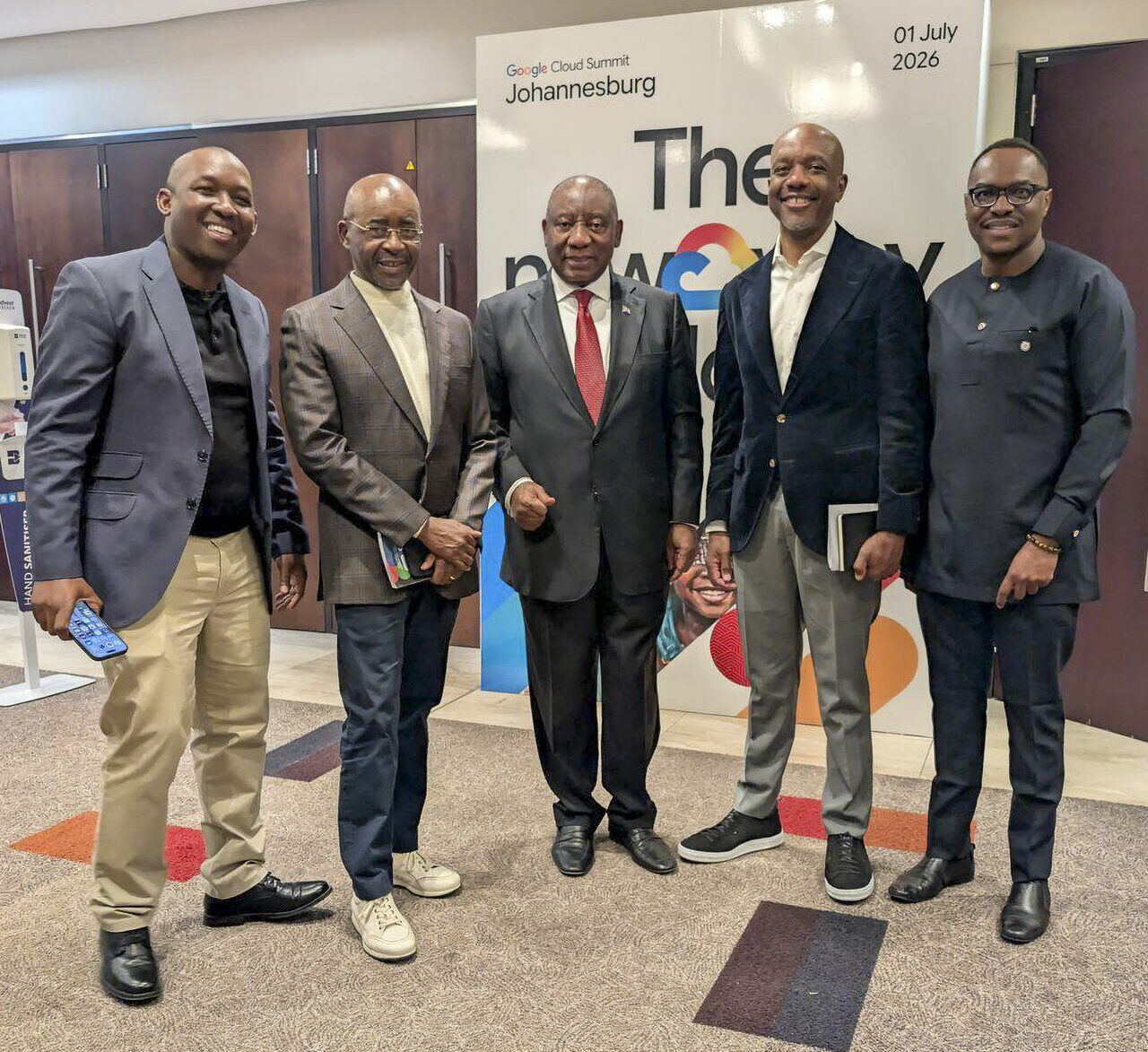
Google has announced a series of new investments in artificial intelligence, cloud infrastructure, digital skills and startup development across Africa, marking the company’s most comprehensive expansion of its technology ecosystem on the continent to date.
The announcements were made during Google’s inaugural Cloud Summit Africa, held in Johannesburg under the theme Building for Africa with Google Cloud. The company also revealed that it has surpassed the US$1 billion investment commitment it made to Africa over five years. The summit brought together more than 2,500 business leaders, developers, technology professionals and public sector officials, including South African President Cyril Ramaphosa, who described the event as further evidence of Africa’s growing importance within the global cloud computing landscape.
The new initiatives span infrastructure, artificial intelligence, startup support and digital skills development.
advertisement
Among the headline announcements was Google’s plan to establish a Digital Exchange Port in South Africa’s Eastern Cape. The facility will serve as the first of four connectivity hubs the company intends to build across Africa and is expected to strengthen international internet routing by linking the continent directly to Australia through Google’s Umoja subsea cable and an additional subsea route.
Google also announced plans to establish Africa’s first Applied AI Lab in Accra, Ghana. The facility, which will operate from the Accra AI Community Centre, will be developed through Google’s AI Futures Fund in collaboration with Google Research and venture capital partners. The lab will provide African startups with access to Google’s latest AI models while connecting founders with researchers to accelerate the development of AI-powered businesses. Applications for the programme opened during the summit and will remain open until 31 August.
The company further announced that applications for the 2026 South African edition of the Google for Startups Accelerator will open on 21 July. Fifteen startups will be selected to receive mentorship, an AI-focused training curriculum and equity-free funding as part of Google’s wider commitment to support 50 African startups between 2024 and 2028.
advertisement
Beyond startups, Google unveiled several initiatives aimed at strengthening digital skills across the continent. These include a partnership with The Akuna Group, founded by actor Idris Elba, supported through more than US$1 million in Google.org funding to provide AI-focused creative education for underrepresented African creators.
The company will also establish a R3 million digital innovation centre at South West Gauteng TVET College in Soweto while expanding AI education programmes for universities across six African countries.
Speaking during the summit, James Manyika, Google’s Senior Vice President for Research, Labs, Technology and Society, said the investments are intended to strengthen Africa’s position in the emerging AI economy.
advertisement
“We’re investing in infrastructure, African-led innovation, and education and skill building,” said Manyika, adding that Africa must develop its own AI capabilities to avoid being left behind as artificial intelligence transforms economies worldwide.
The latest announcements build on Google’s existing investments across the continent, including the launch of its Johannesburg cloud region in 2025 and the US$37 million committed last year towards AI research and digital skills initiatives in Africa.
President Ramaphosa welcomed Google’s expanded investment during both the summit and in his weekly newsletter published on 6 July, where he highlighted the growing interest from global technology companies in South Africa.
He referenced investments by Amazon Web Services, Microsoft and Mastercard alongside Google’s latest commitments, noting their contribution to strengthening the country’s digital economy.
Ramaphosa also stressed the importance of ensuring that Africa develops its own digital capabilities alongside attracting foreign investment.
“In the digital age, sovereignty is measured not only by territorial borders,” he wrote. “It is increasingly measured by a nation’s ability to secure its data, develop its own digital capabilities and exercise meaningful control over the technologies on which its economy depends.”
According to Google, its Johannesburg cloud region alone could contribute approximately $103.7 billion (R1.7 trillion) to South Africa’s economy by 2030 while supporting an estimated 315,000 jobs.
While Google did not disclose the individual value of each new initiative announced at the summit, the latest investments signal a broader strategy that extends beyond cloud infrastructure into artificial intelligence research, startup development and digital skills. Together, they position the company to play a larger role in shaping Africa’s digital economy as demand for AI technologies and cloud services continues to grow.