
advertisement
Africa’s Secured A Stronger Voice In Global AI Governance

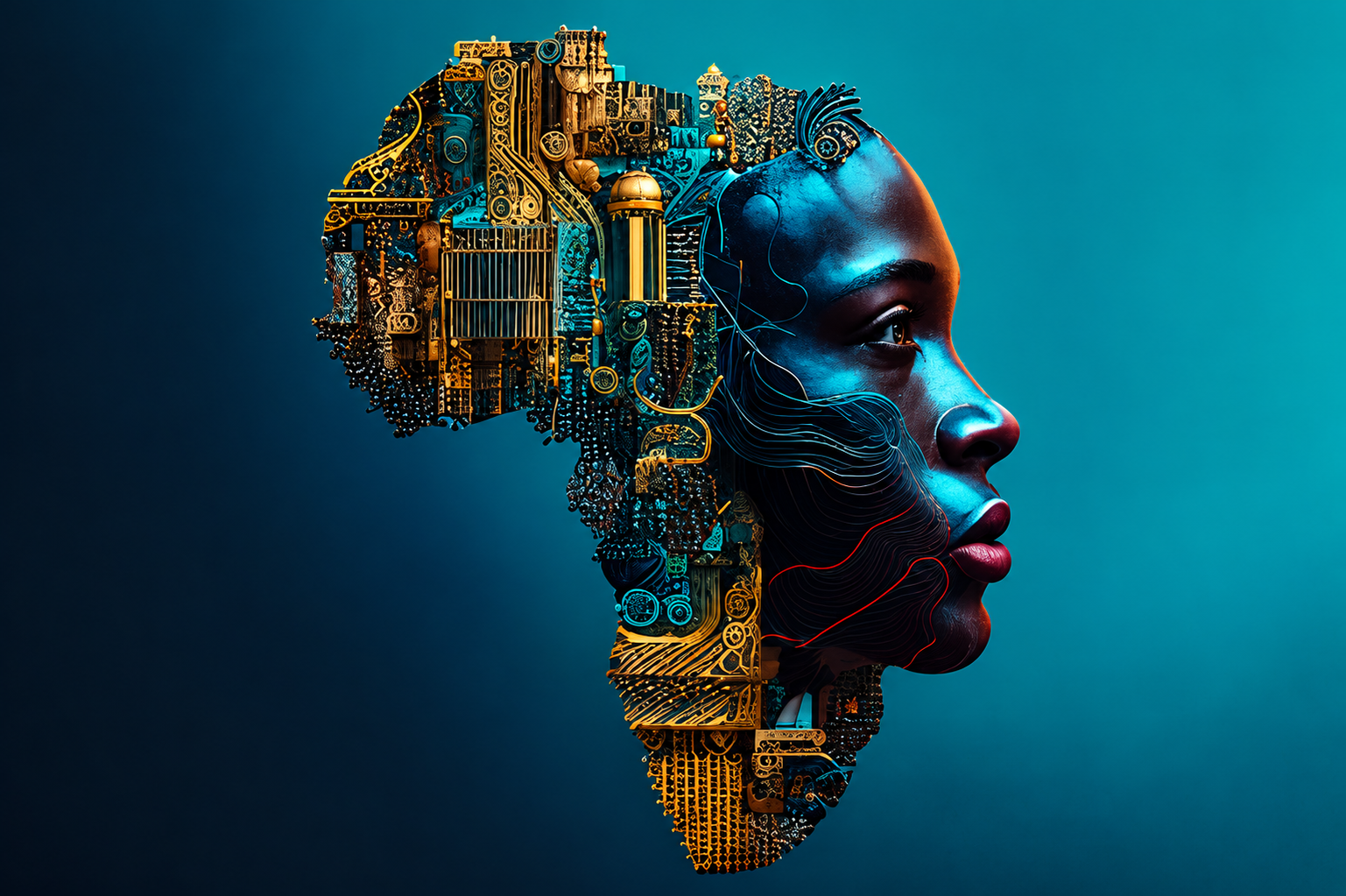
The week of 6–10 July marked a significant moment for global artificial intelligence governance. Geneva hosted four major AI and digital development events simultaneously: the first UN Global Dialogue on AI Governance, the World Summit on the Information Society (WSIS) Forum, the AI for Good Global Summit, and the launch of the AI for Good Global Commission.
Together, they brought governments, technology companies, multilateral organisations and policymakers together to discuss the future of AI. For Africa, the week delivered notable gains in representation and new commitments around digital skills and connectivity. However, it also highlighted a persistent challenge that remains largely unresolved: access to the computing infrastructure needed to build and deploy advanced AI systems.
Africa’s voice grows in global AI discussions
Perhaps the most significant outcome for the continent was its expanded representation within global AI governance structures.
advertisement
Rwandan President Paul Kagame was named co-chair of the newly established AI for Good Global Commission alongside Salesforce CEO Marc Benioff, while ITU Secretary-General Doreen Bogdan-Martin will serve as vice-chair. The commission also includes representation from the African Union, MTN Group, Orange, and policymakers from countries including Nigeria and Namibia.
The UN’s inaugural Global Dialogue on AI Governance also gave every member state, including all African countries, an opportunity to participate in discussions around the future governance of artificial intelligence.
The increased representation reflects Africa’s growing role in shaping global AI policy rather than simply responding to decisions made elsewhere. It also builds on initiatives already underway across the continent, including Rwanda’s National AI Office and national AI strategies being developed in countries such as Kenya, Ghana and Nigeria.
advertisement
However, questions remain over how much influence the new commission will ultimately have. Unlike formal intergovernmental bodies, its recommendations are voluntary, and much of its membership comes from major technology companies, raising concerns about how priorities will be balanced between governments and industry.
New funding signals continued investment in digital development
The week also saw the International Telecommunication Union’s Partner2Connect Digital Coalition surpass US$100 billion in commitments, achieving the fundraising target set when the initiative was launched in 2021.
Africa featured prominently among the new commitments. One of the most notable announcements came from South African telecommunications operator Telkom, which pledged R100 million to establish an AI Institute focused on developing artificial intelligence and digital skills.
advertisement
The milestone demonstrates continued international support for expanding connectivity and digital inclusion across developing regions.
Yet the figures also provide important context. The ITU estimates that achieving universal and meaningful connectivity by 2030 will require between US$2.6 trillion and US$2.8 trillion globally. Against that backdrop, US$100 billion represents meaningful progress but only a fraction of the investment still required.
The coalition has also shifted its focus from securing new pledges to ensuring existing commitments are implemented and deliver measurable outcomes.
Compute remains Africa’s biggest AI challenge
While representation and funding dominated the week’s announcements, one issue received comparatively little concrete action: access to AI computing infrastructure.
African policymakers and technology leaders have increasingly argued that the continent’s AI ambitions depend not only on digital skills and connectivity but also on access to high-performance computing resources, trusted datasets and modern AI infrastructure.
These concerns were reflected in discussions leading up to the Geneva meetings, with calls for mechanisms that would give developing countries greater access to the computing capacity required to train and deploy advanced AI models.
No such framework emerged during the week. There were no announcements around a shared compute facility for developing countries, dedicated GPU allocation programmes or multilateral mechanisms to improve access to AI infrastructure.
This reflects a broader global reality. Unlike internet connectivity, which has long benefited from multilateral development programmes, AI compute remains concentrated within a relatively small number of technology companies and countries that have invested heavily in hyperscale data centres and specialised AI hardware.
According to Stanford University’s 2025 AI Index Report, corporate investment in AI reached approximately US$582 billion in 2025, with only a small share directed towards Africa.
The UN’s Independent International Scientific Panel on AI also warned ahead of the Geneva meetings that unequal access to AI capabilities risks widening existing global inequalities, particularly for countries that lack both technical expertise and the infrastructure needed to develop advanced AI systems.
From representation to implementation
Another theme running through the week’s discussions was digital sovereignty. Across Africa, governments are investing in national AI strategies, strengthening cybersecurity institutions, modernising digital identity systems and introducing data governance frameworks designed to keep greater control over critical digital infrastructure.
At the same time, they continue to advocate for greater participation in global AI governance and international technology partnerships. Balancing those objectives will become increasingly important as AI policy evolves. The next phase will depend less on announcements and more on implementation.
Key indicators to watch over the coming year include whether the AI for Good Global Commission delivers measurable programmes rather than broad declarations, whether practical mechanisms for expanding AI compute access emerge, how effectively the ITU tracks implementation of its digital connectivity commitments, and how many African countries translate the African Union’s Continental AI Strategy into funded national programmes.
The Geneva meetings demonstrated that Africa is becoming a more prominent participant in global AI governance. The challenge now is ensuring that greater representation is matched by greater access to the infrastructure, investment and computing resources that will determine who benefits most from the next wave of artificial intelligence innovation.