
advertisement
Africa Secures Eight Seats On New Global AI Commission

Africa has secured eight seats on the newly established AI for Good Global Commission, strengthening the continent’s representation in a global body tasked with shaping the future of artificial intelligence governance.
The commission, launched by the International Telecommunication Union (ITU), held its inaugural meeting in Geneva on 8 July during the AI for Good Global Summit. Comprising 44 founding members drawn from governments, international organisations and the private sector, the commission aims to promote the responsible development and adoption of AI while ensuring developing countries have a voice in shaping the technology’s future.
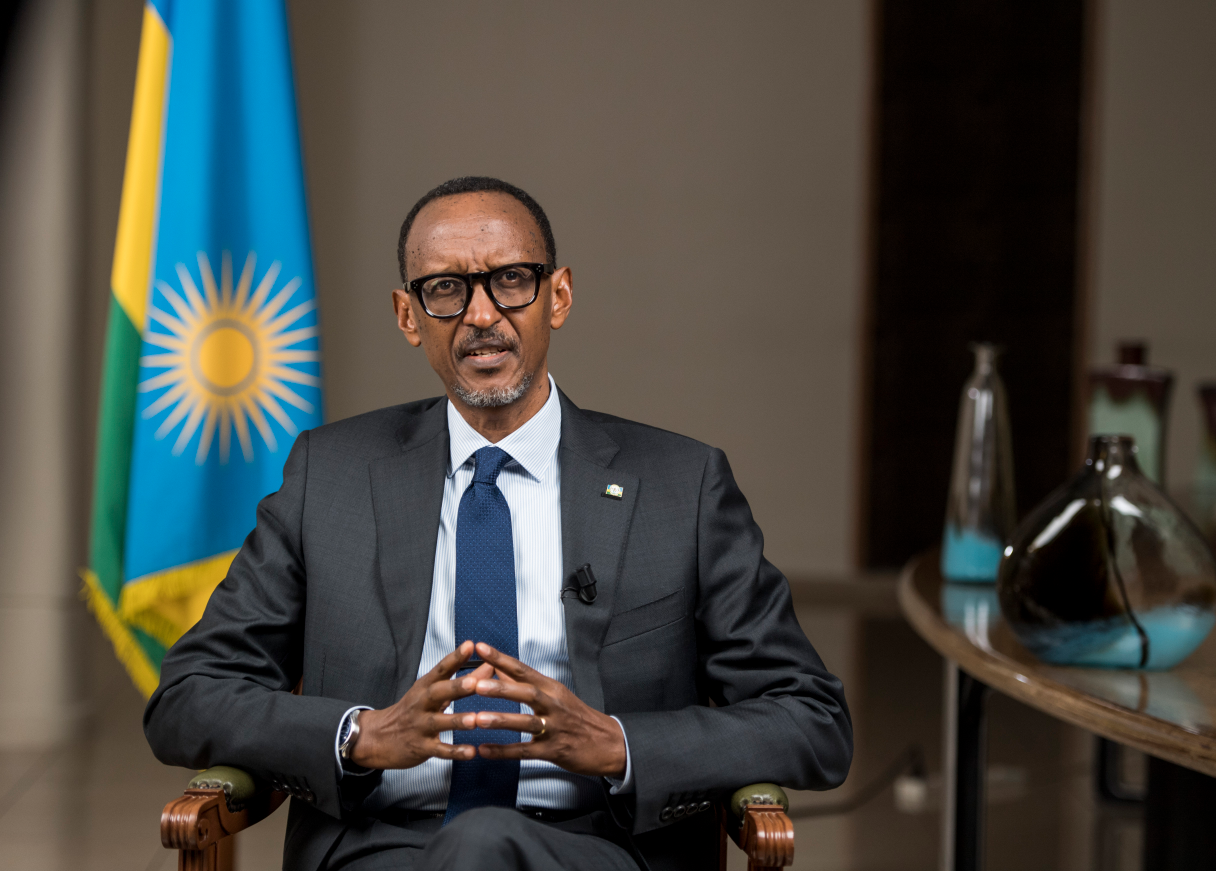
Among the appointments is Rwandan President Paul Kagame, who will serve as co-chair of the commission alongside Salesforce CEO Marc Benioff. Kagame’s appointment places an African leader in one of the body’s most senior positions and reflects Rwanda’s growing profile in global AI policy discussions following its hosting of the inaugural Global AI Summit on Africa in 2025 and the recent establishment of a National AI Office.
advertisement
“Technology is supposed to be a force for good, and we have a responsibility to use it accordingly,” Kagame said.
Africa’s government representation on the commission also includes Nigeria’s Minister of Communications, Innovation and Digital Economy, Dr. Bosun Tijani; Namibia’s Minister of Information and Communication Technology, Emma Theofelus; and Togo’s Minister of Public Sector Efficiency and Digital Transformation, Cina Lawson.
Tijani has been at the forefront of Nigeria’s efforts to expand digital infrastructure, develop technology talent and strengthen the country’s innovation ecosystem. Theofelus, who became one of the world’s youngest cabinet ministers when she was appointed in 2020, has emerged as a prominent advocate for youth participation in digital policy. Lawson, meanwhile, has led Togo’s digital transformation agenda for more than a decade and has overseen several initiatives aimed at modernising public services through technology.
advertisement
The African Union is represented by Lerato Dorothy Mataboge, the AU Commissioner for Infrastructure and Energy, whose portfolio includes the continent’s ICT and digital development agenda, including implementation of the African Union’s Continental AI Strategy.
Africa’s private sector representation comes through MTN Group President and CEO Ralph Mupita. As the head of the continent’s largest mobile network operator by subscriber base, Mupita brings the perspective of one of Africa’s largest digital infrastructure providers at a time when telecommunications companies are expected to play a central role in expanding access to AI technologies and digital services.
The commission also includes two Africans leading major international organisations. Dr. Ngozi Okonjo-Iweala, Director-General of the World Trade Organization, and Khaled El-Enany of Egypt, Director-General of UNESCO, join the body in their capacities as heads of their respective institutions, bringing African perspectives to discussions on global trade, education and AI governance.
advertisement
The composition of the commission reflects Africa’s growing influence in international discussions on artificial intelligence. Rather than focusing solely on the continent’s largest economies, the appointments bring together leaders from government, regional institutions, telecommunications and international organisations with experience in digital transformation and technology policy.
Notably, countries such as Kenya, which has been active in AI diplomacy over the past year, do not have direct representation on the commission, while South Africa’s participation comes through the African Union and MTN rather than government representation.
The AI for Good Global Commission has been established to provide strategic guidance on expanding access to artificial intelligence, strengthening trust in AI systems and ensuring that developing countries are included in global AI governance discussions. While the commission’s recommendations will be voluntary rather than binding, its membership gives Africa a stronger voice in conversations that are expected to shape the future development, regulation and adoption of artificial intelligence worldwide.