
advertisement
Why Every Engineer Needs To Think Like An AI Strategist

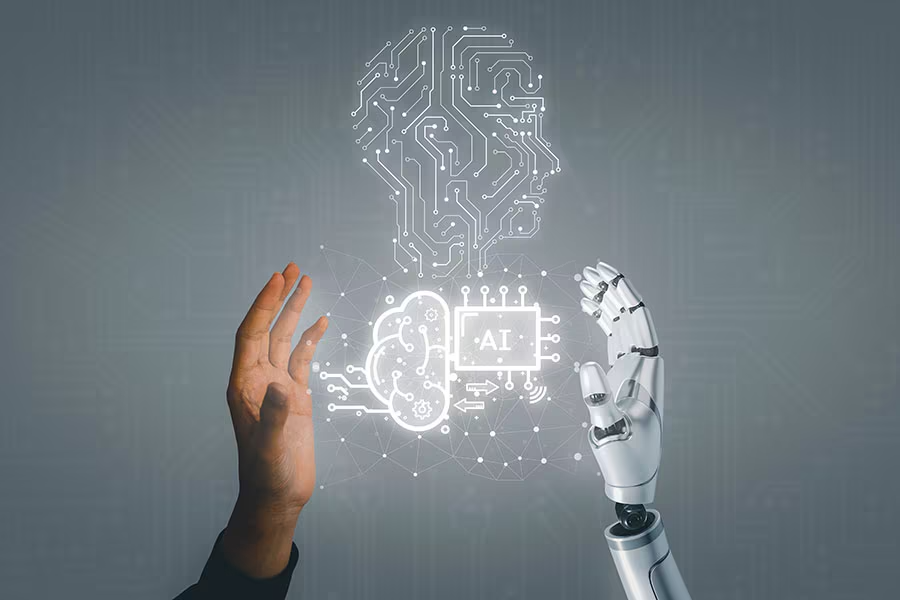
The future of engineering isn’t just about building efficient systems or writing clean code. It’s about understanding the strategic role of artificial intelligence (AI) in shaping those systems and their real-world impact. Today, every engineer, regardless of specialization, must evolve into a strategic thinker when it comes to AI. This means looking beyond technical tasks to consider ethics, optimization, cross-functional collaboration, and long-term societal outcomes.
For those of us in health, safety, and environmental (HSE) leadership, this shift isn’t theoretical, it’s happening on the ground. Whether you’re managing risk in an oil refinery, implementing automation on a factory floor, or improving sustainability tracking, the role of AI is becoming central to how we safeguard people and the planet.
Traditionally, engineers have operated within well-defined scopes: build the system, fix the bugs, optimize performance. But AI changes everything. AI systems learn, adapt, and sometimes make decisions that impact users in ways their creators did not anticipate. As a result, engineers are no longer just builders. They’re stewards of intelligence.
advertisement
Consider a software engineer working on an AI recommendation engine. A purely technical focus might prioritize speed and relevance. A strategic thinker, however, would ask: Is the model reinforcing bias? Are we amplifying misinformation? What are the long-term behavioral impacts on users? These questions aren’t philosophical luxuries. They’re essential to building responsible, effective AI systems.
AI systems often operate in high-stakes domains such as healthcare, finance, transportation, and justice. Engineers building these systems must consider fairness, transparency, and accountability. For example, facial recognition tools have been shown to misidentify people of colour at higher rates. Engineers who approach their work strategically would push for diverse training data, ongoing audits, and user transparency. AI strategy isn’t confined to codebases. It involves stakeholders across business, design, policy, and legal teams. Engineers must speak the language of product managers, understand the goals of compliance teams, and collaborate with ethicists. This cross-disciplinary mindset is what separates a tactical coder from a strategic AI contributor.
In my role as Head of HSE in the energy sector, AI is being embedded across safety-critical systems. From predictive maintenance on rigs to real-time monitoring of hazardous gases and emissions, AI is enabling faster decisions that can prevent incidents and protect lives. But it also raises new challenges. Are these models explainable? Are frontline workers trained to interpret and act on AI-driven alerts? These are questions HSE leaders must ask.
advertisement
AI’s role in HSE goes even further, transforming how we assess risk and maintain compliance. Where inspections once relied solely on clipboards, human judgment, and walk-throughs, AI now enables predictive, continuous, and data-driven safety monitoring.
Today, advanced AI systems analyse real-time sensor data, environmental readings, equipment diagnostics, and employee behaviour to detect potential hazards before they escalate. With IoT-connected devices feeding massive datasets into AI models, risks that previously went unnoticed are now flagged in real time. Long before human inspectors would have caught them.
This predictive power allows us to move from reactive to proactive HSE management. AI not only spots issues like overheating machinery or gas leaks but also assesses patterns that suggest non-compliance or unsafe work behaviour. It reduces human error, automates routine safety checks, and keeps watch over the workplace without fatigue or distraction.
advertisement
As a result, we’re seeing safer workplaces, lower incident rates, and more confident compliance with changing regulations. For HSE leaders, AI is no longer a tool of the future. It’s a strategic imperative of the present.
Across different sectors, manufacturing, energy, logistics, and sustainability, engineers are being called to move beyond technical execution and embrace strategic foresight. In oil and gas, AI is helping predict equipment failures before they happen, optimize drilling and production schedules, and improve environmental monitoring. Engineers must ensure these tools not only drive efficiency but also adhere to safety standards and support sustainability goals.
In manufacturing, AI-powered automation is transforming everything from quality assurance to supply chain management. Engineers here are responsible for ensuring that machine learning applications improve productivity without displacing workers or compromising safety. Strategic thinking involves upskilling teams and embedding AI with a human-centred approach.
Sustainability engineers are using AI to manage energy systems, forecast renewable output, and monitor environmental impacts. These systems must be designed to promote equity, minimize unintended consequences, and align with long-term environmental commitments. For example, AI models used in smart grid systems should be tested to ensure fair energy access across different communities.
Urban infrastructure is another vital area. Engineers designing AI-enabled systems for smart cities must consider not only traffic flow and energy efficiency but also the rights and privacy of citizens. These are not purely technical considerations. They require ethical reflection and collaboration with urban planners, policymakers, and local communities.
Even in commercial logistics, such as Amazon’s warehouse operations, AI has introduced both remarkable efficiency and serious ethical questions. Strategic engineers must evaluate not just how well a system performs but how it affects the people behind it. Metrics should include worker wellbeing and long-term sustainability, not just output speed.
A core challenge for engineers is moving from purely optimizing systems for speed or efficiency to designing for humans. AI may be capable of recommending, classifying, or even predicting, but it’s the engineer’s role to ensure these functions align with human values.
Netflix’s AI-driven content recommendation system is a great example. While the technology is impressive, engineers must continuously refine it to avoid creating echo chambers that limit discovery. A strategic engineer considers not only click-through rates but also the user’s long-term satisfaction and cognitive diversity.
Engineers must begin viewing themselves not just as implementers of AI, but as architects of its ethical and strategic framework. This means asking harder questions, engaging in broader conversations, and pushing back against harmful shortcuts.
So, what can engineers start doing today? Read beyond the tech blogs. Dive into business models, regulatory frameworks, and behavioural psychology. Look for bias, data drift, and unintended consequences. Build in transparency wherever possible. Engage with legal, design, and social science teams. The best AI outcomes come from diverse minds. And above all, prioritize human impact. Remember, AI doesn’t just optimize systems. It shapes lives.
In the end, the most valuable engineer in tomorrow’s workplace isn’t the one who can simply train a model. It’s the one who can ask: Should we? What happens next? And how do we make it right?
That’s the kind of engineer the future needs. That’s the AI strategist.
*Engineer Humphrey Indire is the Head of Health, Safety, and Environment (HSE) & Sites at KOKO Networks.