
advertisement
Secure Digital Identity And PKI Take Focus At Africa CISO Summit 2026


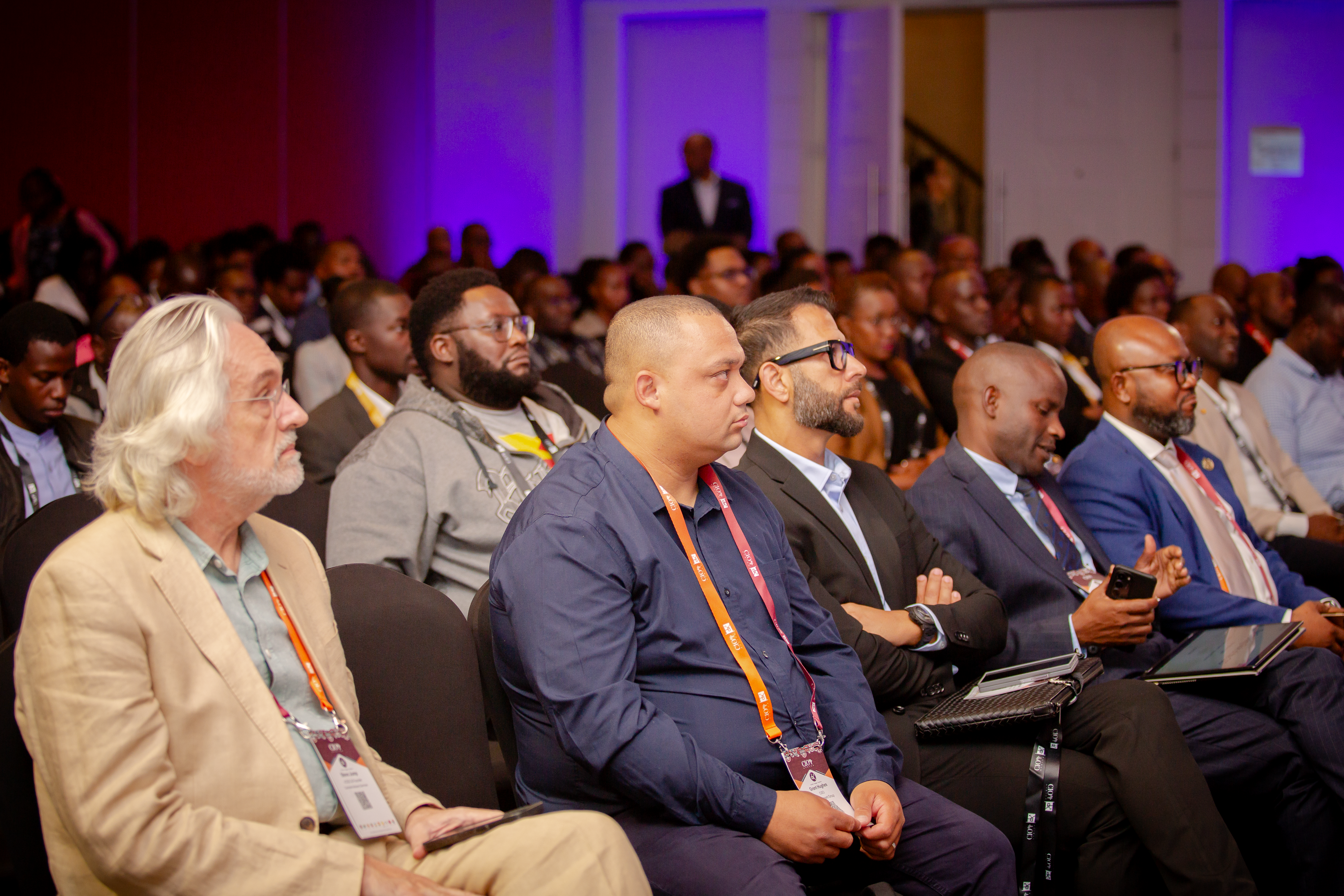
Strengthening secure digital identity systems emerged as a key theme at the Africa CISO Summit 2026 in Nairobi, where Francis Sitati, Head of Cyber Information and Partnerships at Kenya’s National KE-CIRT/CC within the Communications Authority of Kenya, warned that trusted digital identity will be essential to protecting the country’s rapidly expanding digital services ecosystem.
Sitati told cybersecurity leaders gathered at the summit that Public Key Infrastructure (PKI) provides a critical foundation for securing digital identities across government platforms such as eCitizen, iTax, NTSA services, Huduma Centres and the Integrated Financial Management Information System (IFMIS). As more services move online, ensuring secure authentication and protecting citizen data is becoming increasingly important.
“Government digital platforms contain highly sensitive citizen data. Protecting that data is essential for maintaining trust in digital governance,” Sitati said.
advertisement
PKI enables secure authentication through digital certificates, allowing individuals and organisations to safely access online government services and conduct digital transactions. According to Sitati, stronger identity systems can significantly reduce identity theft, impersonation and fraud, while strengthening the overall cyber resilience of digital government services.
However, he cautioned that implementing secure digital identity systems remains complex. One of the major challenges is the continued use of legacy government IT systems, many of which are outdated and difficult to integrate with modern platforms.
“Legacy systems often lack vendor support and present integration challenges, particularly when trying to secure them alongside newer digital platforms,” he said.
advertisement
Sitati also highlighted data protection concerns and the high cost of PKI infrastructure as additional barriers. Deploying secure PKI systems requires specialized hardware, technical expertise and continuous operational support, making it expensive for many organizations.
The session formed part of a broader discussion at the Africa CISO Summit, which brought together cybersecurity leaders, policymakers and technology executives from more than 15 countries to examine the challenges facing Africa’s rapidly growing digital economy.
Opening the summit, Harry Hare, Chairman of CIO Africa by dx5, noted that cybersecurity has shifted from a back-office technical issue to a strategic business and governance priority.
advertisement
“Cybersecurity has moved from something handled quietly by technical teams to a strategic conversation in boardrooms and national policy discussions,” Hare told delegates.
Earlier keynote speakers also highlighted the growing cyber threat landscape across Africa, with organizations experiencing multiple attack attempts each month. Speakers warned that as governments digitize public services and financial systems expand through mobile money and fintech innovation, the attack surface for cybercriminals continues to grow.
Sitati emphasized that addressing these risks will require both strong digital identity systems and greater regional cooperation. He pointed to the emergence of the Africa PKI Forum, which aims to promote collaboration and standardization of digital identity frameworks across the continent.
Looking ahead, he said, integrating PKI into mobile transactions will be critical, given the central role smartphones play in accessing digital services.
“Secure digital identity will be the backbone of trusted digital services,” Sitati said. “Without strong identity systems, digital transformation cannot fully succeed.”