
advertisement
Nigerian Innovators Win The Terumo BCT Africa Hackathon 2026


Team Relay, a Nigerian and Kenyan team, has won the Terumo BCT Africa Hackathon 2026 and the USD 5,000 prize for HemoGrid, a platform that helps hospitals and blood banks find eligible blood stock for urgent requests and complete transfers that staff approve.
Medibora, a Kenyan team, was named runner-up for Providus, a forecasting tool that shows a blood service which blood groups will run low, where, and in how many days. It works on a dashboard or on a basic phone through USSD and SMS.
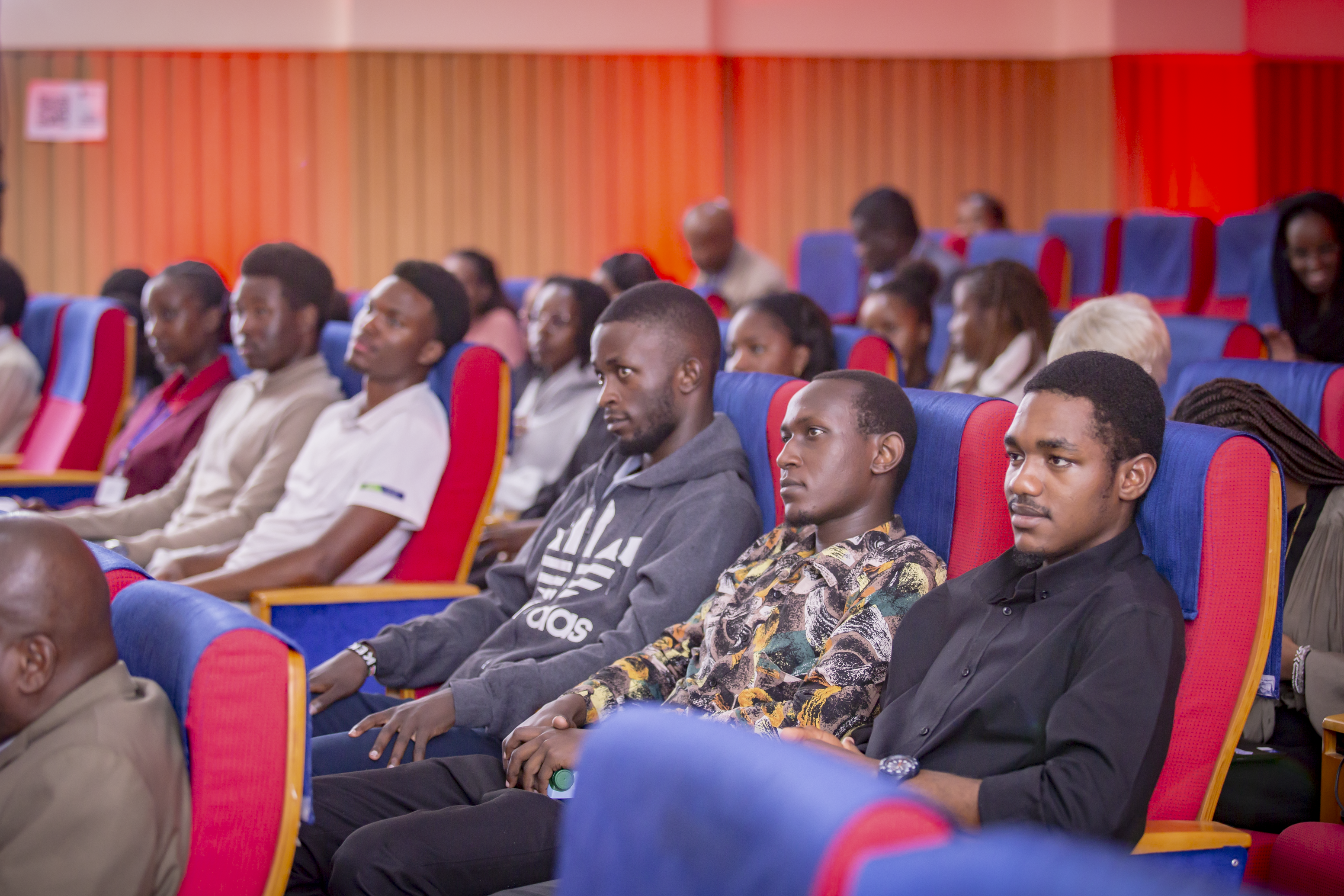
Five finalist teams pitched their working prototypes at the showcase at Strathmore University in Nairobi on Friday 13 November. The hackathon, themed “Building Better Blood Systems for Africa” and hosted with Talo Africa, drew 362 completed applications from 25 countries. The finalists included representatives from Kenya, Nigeria, Ghana, Rwanda and Zimbabwe.
advertisement
Each of the finalist tools tackled a different point in the journey of a unit of blood, from the donor to the patient:
- UnitTrace (Kenya) is a data-quality workbench that finds duplicate, missing and unlikely entries in blood-bank records. A supervisor approves every change.
- Damu Signal (Rwanda and Nigeria) forecasts a hospital’s blood demand 14 days ahead and proposes transfers between centres. A transfusion officer approves, changes or rejects each one.
- TrustLedger (Ghana, Nigeria and Zimbabwe) reads cold-chain temperature, power, transport and stock data, then flags units for a person to check, with a record of each review.
Across the finalists, the tools keep a human in the decision, with staff approving or rejecting what the software proposes.
Dr Hiram Mwangi, who leads medical affairs at Terumo BCT, said the hackathon is meant to strengthen health systems by improving the quality of data in the blood system. The aim is to make blood availability and the traceability of units visible across the system, so that those who need blood can request it quickly and get it where it is needed. Over time, he said, the data should help predict future need more accurately than the paper-based systems in use today.
advertisement
On the participants, Dr Mwangi said he was struck by how well they turned concepts into practical solutions. “The capacity and potential in our people is great,” he said. “The solutions are available.”
He said the next steps are to highlight the talent on show and to demonstrate what stronger information systems can achieve. Depending on who wins, he added, there is a pathway to further partnership, which could see a project developed further and shown to a wider audience for refinement.
“We’re a technology company and, apart from the hardware we manufacture, we’re also big on software, so data and software platforms are primary in our operations,” Dr Mwangi said. “What follows is, first, to highlight the talent that exists. Second, to showcase what’s possible in terms of system strengthening from an information-system perspective. Third, depending on who wins, there’s a pathway towards further partnership. It’s possible that one of the projects presented today will be advanced further, enhanced and exposed to our broader audience for refining and optimisation, perhaps even a pilot.”
advertisement
The government also backed the youth focus of the event. Timothy Kajwang, Deputy Director at the State Department for Youth Affairs and Creative Economy, spoke on behalf of Principal Secretary Fikirini Jacobs Katoi Kahindi. He encouraged the participants to keep building. In the PS’s speech, delivered by Kajwang, he said young people are no longer just consumers of health but also its architects.
“As the Department for Youth Affairs and Creative Economy, our core mission is to move young people from the sidelines to the absolute center of innovation, enterprise and decision making,” PS Kahindi said. “We view the creative economy not just as art or entertainment, but as utilizing software engineering, artificial intelligence and creative problem solving to tackle Africa’s most common challenges.”