
advertisement
Jumia Report Shows E-Commerce Growth In Rural Kenya


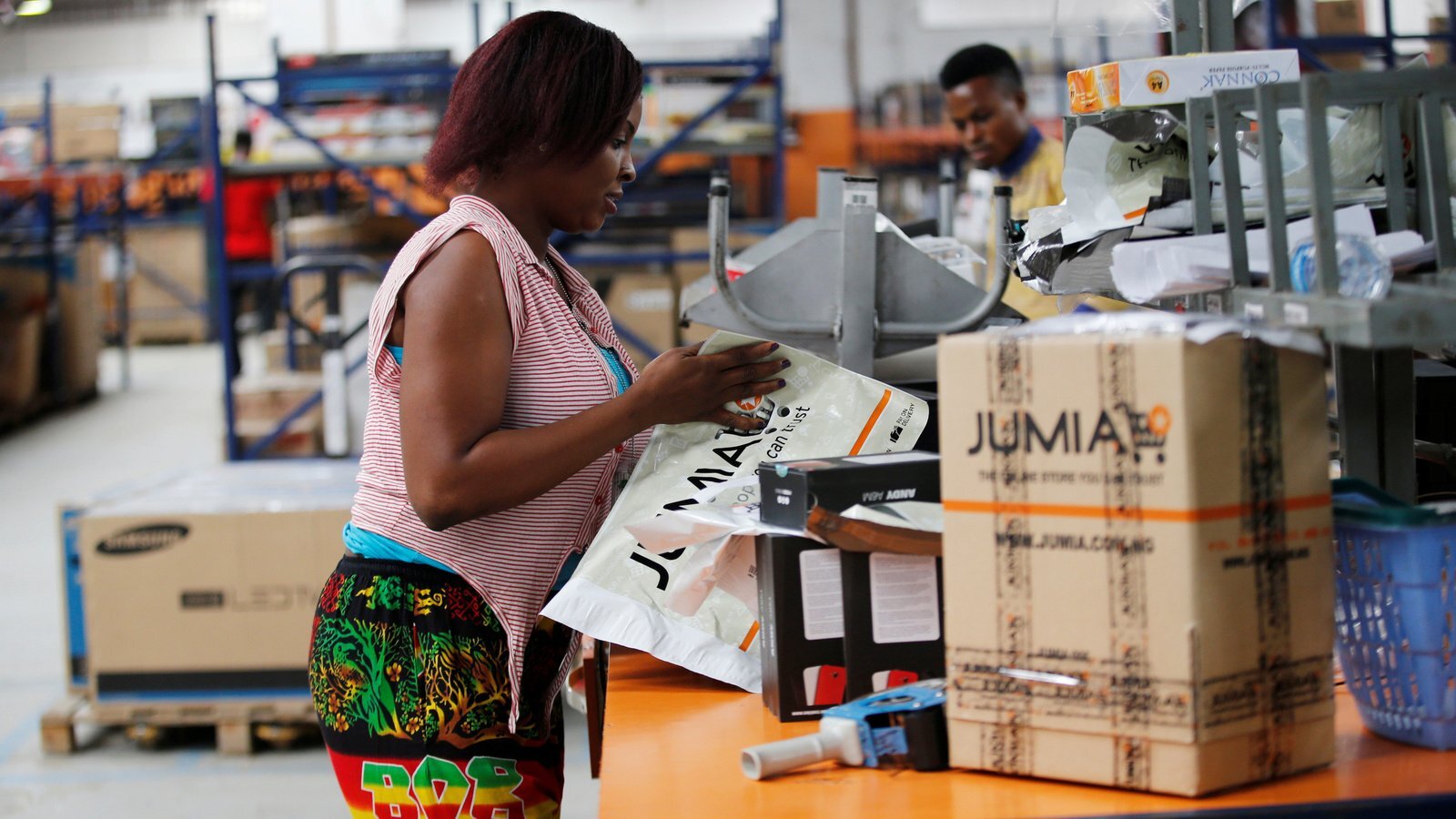
Rural Kenya has become the unexpected powerhouse of the country’s digital retail economy, accounting for 60% of all Jumia orders and signalling a deeper shift in how Kenyans shop, work and access goods.
This is the central finding of Jumia Kenya’s new report, ‘E-commerce in Rural Kenya: Expanding Access, Driving Inclusion, Connecting Border to Border’, which charts how online retail has moved beyond Nairobi and other major cities to anchor livelihoods and fuel SME expansion across the country.
As per the report, the platform now supports more than 50,000 livelihoods, from vendors and JForce agents to pickup-station operators and delivery riders, underscoring e-commerce’s widening socioeconomic footprint. Jumia’s Regional CEO for East Africa, Vinod Goel, described the trend as a ‘historic behavioural shift’, driven by a combination of affordable smartphones, mobile money usage and improved delivery networks.
advertisement
What was once a largely urban convenience has evolved into a nationwide system of access. Jumia has expanded its footprint to over 300 pickup stations serving more than 100 towns across all 47 counties. This network has cut rural delivery times to an average of 2–4 days, enabling faster access to both essential and higher-value products such as phones, TVs, appliances and home essentials.
One of the strongest catalysts behind rural adoption is the JForce programme, now comprising more than 26,000 agents. These agents have become crucial intermediaries for first-time shoppers, assisting with digital literacy, product awareness and placing orders on behalf of entire communities. In many towns, JForce agents are effectively local commerce hubs, consolidating bulk orders and keeping customers informed about deals and availability.
The SME ecosystem is expanding in parallel. Small businesses now make up 60% of all sellers on the platform, leveraging Jumia to reach customers far beyond their physical locations and tapping into new revenue streams otherwise inaccessible through traditional retail channels.
advertisement
The report situates these developments within a broader infrastructure shift, driven by the rollout of 4G and 5G connectivity and investment in decentralised logistics hubs. Rural e-commerce penetration is expected to climb further and remain above 60% in the coming years, placing digital trade among Kenya’s fastest-growing economic segments.
However, the report also flags emerging regulatory considerations. As debates around marketplace taxation intensify, Jumia warns that the proposed Withholding Tax (WHT) on marketplace transactions could push SMEs back into informal channels, ultimately shrinking their reach and compliance. Goel emphasised the need for policies that strengthen SME participation, protect consumers and preserve a level playing field for both local and global digital platforms.
“E-commerce is widening market access for small businesses and giving rural households affordable choices,” Goel said.
advertisement
With the right policy support and continued improvements in connectivity, logistics and mobile-money adoption, the report argues that Kenya could evolve into one of Africa’s most inclusive digital economies within the next five years.