
advertisement
Is AI Widening The Skills Gap In Finance?


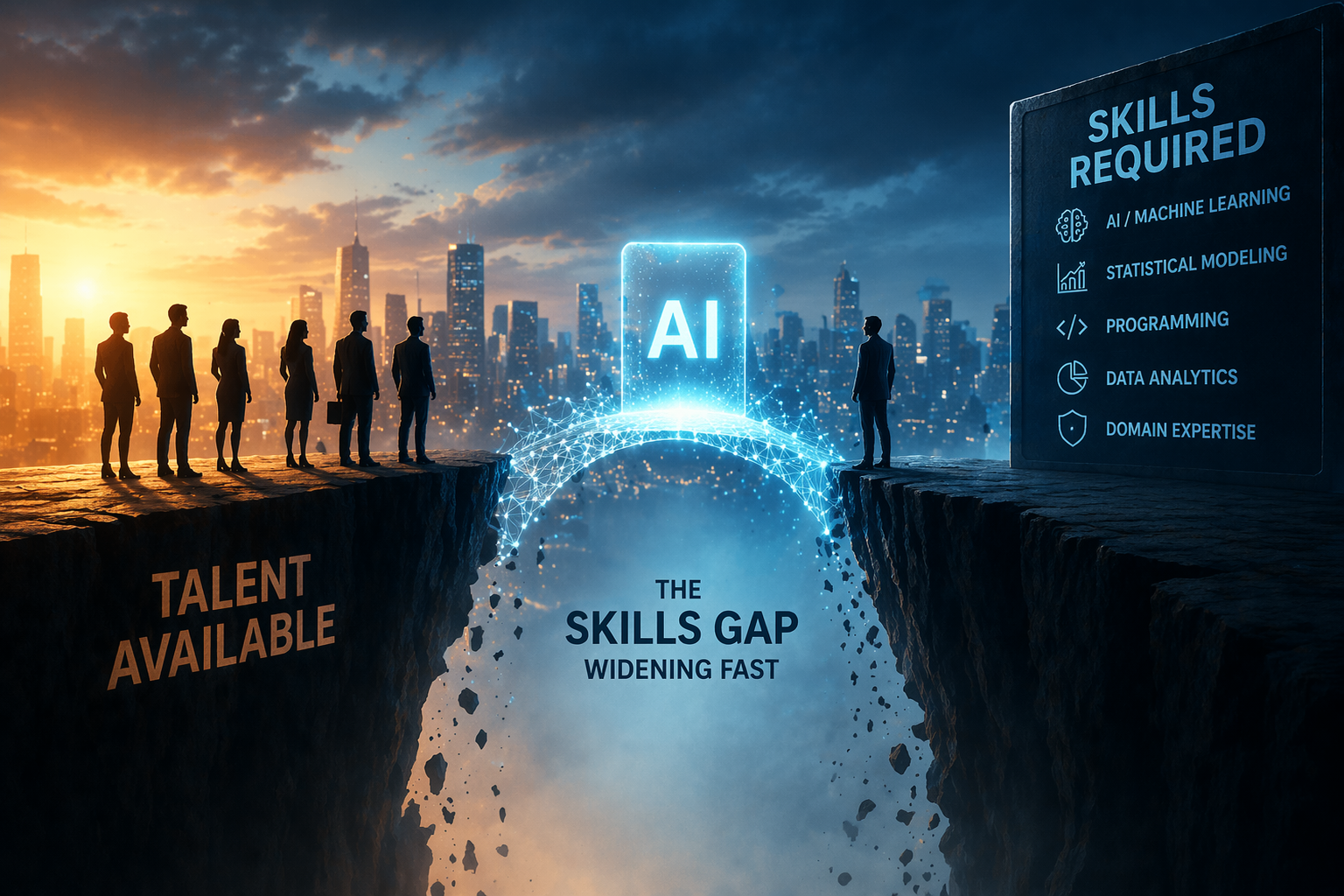
In many finance roles today, the scope of the work is expanding beyond what it once was.
What used to be enough — in terms of training or experience — is shifting, as AI becomes part of how models are built, tested, and used. And for many professionals, that shift is creating a noticeable gap.
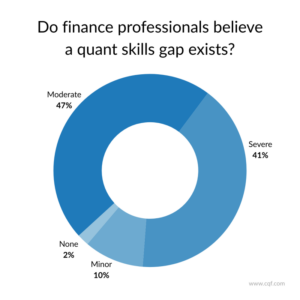
A survey by the CQF Institute found that 76 per cent of quantitative finance professionals believe the gap between required skills and available talent has grown in recent years, as AI expertise is increasingly expected to sit alongside traditional quant skills.
advertisement
That change is showing up in the work itself.
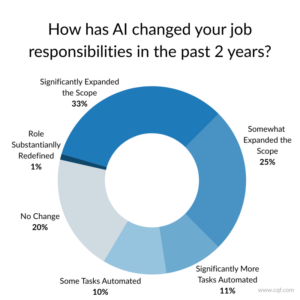
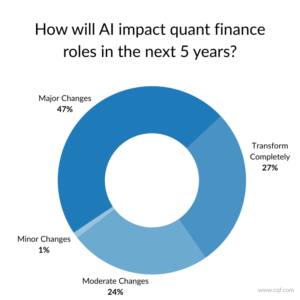
As AI tools become more embedded in financial workflows, 58 per cent of respondents say their responsibilities have expanded over the past two years. The role now often stretches further into areas like statistical modeling, programming, and machine learning and many expect this to continue, with 74 per cent predicting that AI will significantly transform quantitative roles within the next five years.
advertisement
“AI is raising the technical bar across quant finance,” says Dr. Randeep Gug, Managing Director of the CQF Institute. “Financial institutions are discovering that deploying advanced AI systems requires far more professionals with strong quantitative and computational foundations than the market currently produces. The result is a clear and growing shortage of talent capable of operating at the intersection of finance, data science, and machine learning.”
As expectations rise, hiring is becoming more difficult.
advertisement
More than half (55 per cent) of respondents say finding strong quant professionals is a challenge, pointing to a shortage of people with the combined expertise needed to build, validate, and manage increasingly complex models.
But the gap doesn’t only appear at the hiring stage. About 75 per cent of professionals say their current roles require capabilities they were never taught in university. For many, that means learning in real time, through self-directed study, on-the-job experience, and professional certifications.
The findings build upon earlier CQF Institute research from 2025, which found that fewer than 9% of quantitative finance professionals believe new graduates are well equipped with the artificial intelligence and machine learning skills required for modern quant roles
Overall, the findings suggest this is less a short-term hiring issue and more a longer shift in how the field is evolving. “As AI continues to reshape roles and expand job requirements, continuous reskilling is essential to keep pace with the industry’s demands,” Gug concludes.
Survey: Fast Facts
- 88% of quantitative finance professionals globally believe a skills gap exists across the industry
- 76% say the gap between required skills and available talent has grown in the past three years
- 58% say AI has expanded the scope of their responsibilities over the past two years
- 74% predict that AI will drive major or complete transformation for quant roles within the next five years
- 55% say that hiring strong quant professionals is difficult
- 75% say their current roles require capabilities they were never taught in university
- 84% say that continuous reskilling is vital for a successful career in quant finance
- 39% believe the greatest risk of the skills gap is increased reliance on automated systems without sufficient human oversight
So where does AI lie with you?
Has it made your work easier, or simply raised what’s expected of you?