
advertisement
How Tech Can Save The Fashion Industry


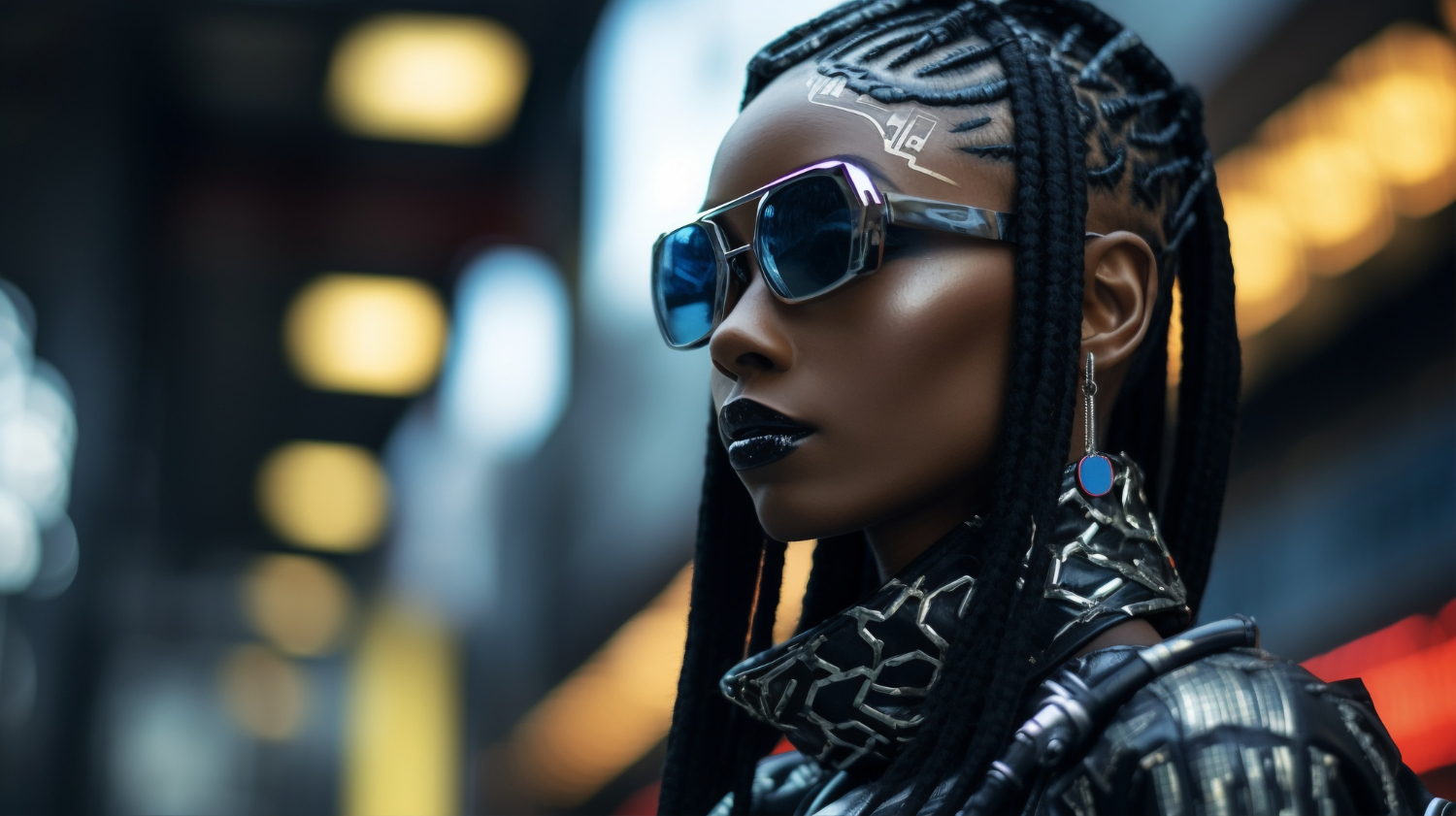
How many flights did your drip catch to get to you?
My outfits are generally parsed through convoluted supply chains, more often than not landing exactly on my doorstep. Fashion and I have a long, complicated albeit beautiful relationship. But that glam universe has an ugly, dark side. Fashion is one of the biggest polluters on the planet. I don’t stop to think about this often. I was forced to the Saturday I spent at Nairobi Fashion Week.
The people: fabulous. The clothes didn’t immediately make you think – that is SO me, but they glided seamlessly down three runways. The lights: dazzling. They had to be with all that photography. You’re probably thinking, what does this have to do with me?
advertisement
Nairobi Fashion Week’s theme was eye-wateringly complex: Decarbonize.
WTF is that?
Decarbonisation in the fashion industry means reducing the amount of carbon dioxide (CO2) and other greenhouse gases the industry releases into the atmosphere. Basically, how can you reduce your carbon footprint?
advertisement
Estimates by the European Environment Agency peg the fashion industry as responsible for 10 per cent of global greenhouse gas emissions. Textile production is a water guzzler, vacuuming up colossal amounts of water, cotton, wood, fertiliser and petroleum-based plastics, all contributing to deforestation and agricultural waste.

A decidedly scant number of people immediately think ‘sustainability!’ when they hear the word fashion. More and more though, we’re going to have to. Good thing technology can save the fashion industry in seven magnificent leaps. Here’s how:
advertisement
-
The Third Dimension
3D printing isn’t just printing invisible guns for a movie plot. It can reduce waste in the production process. Instead of cutting fabric from large rolls, which generates a lot of scrap, 3D printing can create the exact amount of anything needed to a T, reducing material waste and energy use. Topping this is the creation of one-of-a-kind textiles and garments. It takes the designer’s creativity and makes a mad dash with it. Customisation is limited only by the imagination.
WHO: Iris van Herpen, Damit Peleg and footwear businesses worth every step like Nike & New Balance.
-
Know Your AI
AI can do pretty much everything except the dishes. It can help fashion brands better manage their supply chains by predicting demand more accurately, which means less overproduction. It means producing only what’s needed which leads to less waste and fewer emissions from factories and flights. Identifying risks in the supply chain, efficiency, reduced costs, sustainability and the resulting transparency are not just words familiar to the tech ecosystem. Fashion needs it too.
WHO: Fast-fashion giants, luxury and premium brands, retail and e-commerce platforms – it’s more a question of ‘who isn’t?’
-
Grow Stacks Of Fabric
Lab-grown fabrics are being developed by biotechnologists. If ever there was a new career path in the offing! These newfangled materials can be made with less environmental impact as an alternative to synthetic fabrics. Biofabrication uses microorganisms such a fungi, bacteria, algae and yeast Which are often made from oil-based materials.
WHO: Galy’s ‘Literally Cotton’ tech reduces water usage by 80 per cent and eliminates pesticides, MycoWorks uses mushrooms, Algalife goes for algae.
-
Block The Chain
How well do you know your outfit? Tech can track the entire life cycle of your garment from raw materials to the final product is a different level of transparency. You can make informed decisions about the sustainability – yes, that word again – of your clothes if you know where they’ve come from and where they’re going. This compels brands to adopt more environmentally friendly practices because they know you can trace their supply chain.
WHO: LVMH, Gucci, Prada, H&M, Nike, and Zara

-
Data Is The New Power
Fashion brands are using data analytics to create designs instead of simply reaching into the ether with imagination only. They study us, and our preferences, and predict trends based on our behaviour. Fashion has always curated looks based on data, but it was far more informal, happening as a result of pop culture rather than entering the conversation before a look exploded into the public psyche. With this kind of refined data, however, designers can now create clothing that is more likely to be worn for longer instead of a few days then discarded quickly. AI-driven trend forecasts predict with a little over 85 per cent accuracy. I’d like to think the 15 per cent is because fashion, and people, are living, breathing entities. By the way, fashion and luxury companies that have harnessed the power of data to personalise customer e-commerce experiences have grown digital sales by between 30 and 50 per cent.
WHO: Again, who isn’t be they major fashion brands or forecasting businesses like WGSN.
-
Imagine This: Augmented Reality
Seeing yourself through your own rose-coloured glasses and your smartphone screen can put things in perspective. Trying on clothes digitally using AR or virtual try-ons (VTO) reduces the need for producing physical samples. This harkens back to 3D. It all adds up to saving materials and reducing shipping emissions. You also take pride in shopping smarter, choosing only the clothes you truly want. In addition, it allows designers to conceptualise their collections. Turns out 71 per cent of shoppers will buy more frequently when using AR-powered apps. Talk about ROI.
WHO: Gucci, Dior, Nike, Burberry, ASOS, Warby Parker and Ray-Ban.
-
Slow Your Roll Of Fabric
Better known as recycling and upcycling, tech exists to improve textile revamping. This is more than reusing fabric. Companies are developing methods to break down old fabrics and turn them into new materials, reducing the need to make brand-new textiles. Ergo, no clothes in landfills, washing off onto the beaches of Accra, or stripping the world of virgin resources in the making of a garment.
WHO: Eeden, breaking down polyester to create cotton wool, Rittec, who separate polyester from blended fabrics and Carbois who recycle polyester using enzymes.
NB: Maybe we should wear less polyester…!
What Can You Do?
- Limit your love affair with fast fashion. Let the planet live. Longer.
- Think vintage and give more life to that decade-old garment.
- Become really good friends with Onyi, the tailor. He will modify, recycle and upcycle with the best of them.
- Buy more local. Less distance travelled.
- Sleep on it. Impulsive buying leaves you crying.
- Cultivate personal style. It’s less trendy, more individual and better curated.
- Find the right balance between being unserious about fashion and contemplating your choices.
BONUS TIP:
- Add a Fashion Week or two to your bucket list!