
advertisement
Everyone Has A Smartphone But We’re Not Using Them Fully


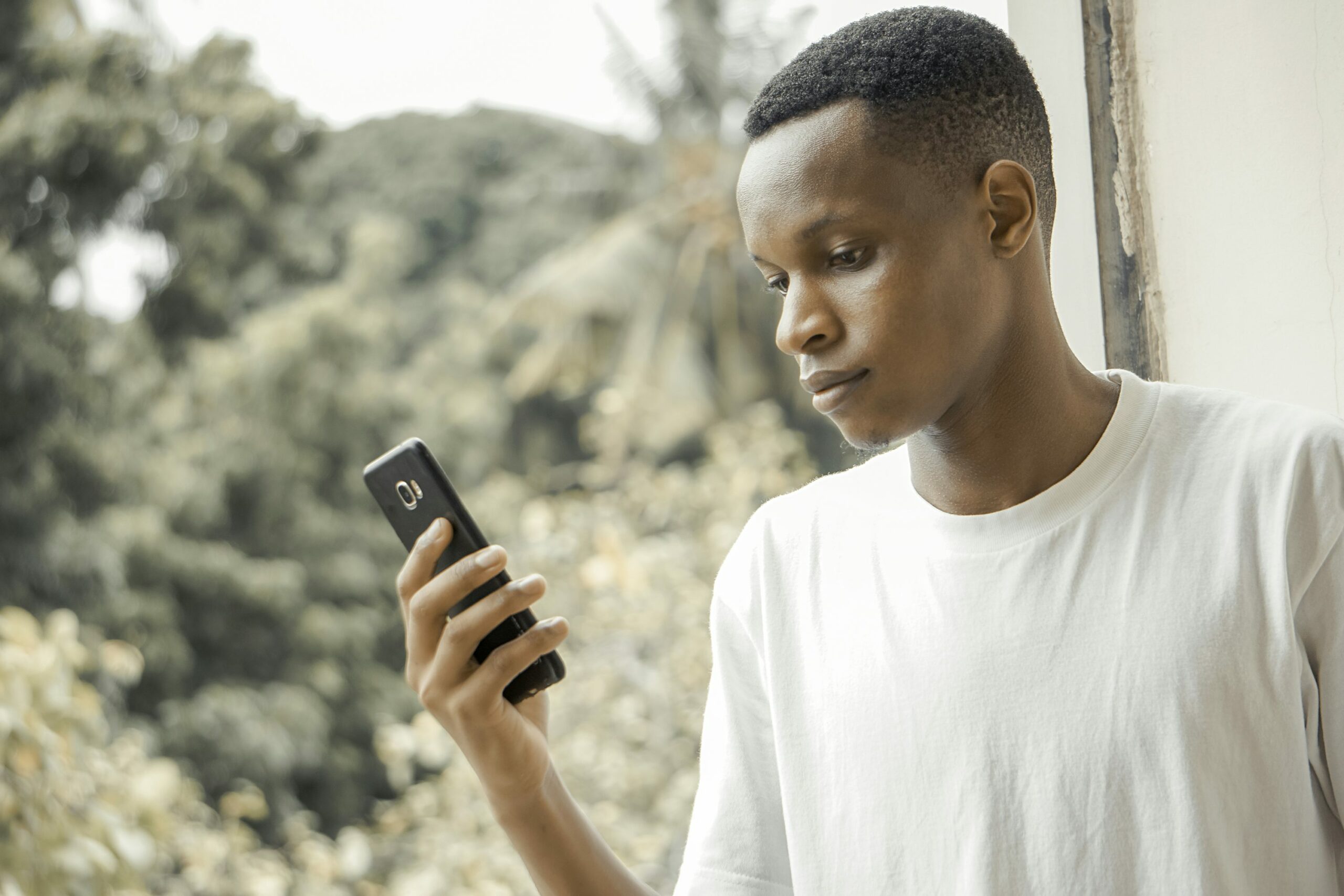
On a cold August afternoon in Nairobi, James, a boda boda rider, pulls up to the side of the road to check his smartphone. The device is sleek, fast, and connected to 4G. With a swipe, he opens WhatsApp to confirm a delivery location. For James, like millions of Kenyans, the smartphone is indispensable. It keeps him in touch with customers, helps him receive mobile payments, and occasionally lets him scroll through TikTok after a long day.
But beyond messaging, calls, and the odd video, James’s phone is underused. Watching a football match highlight or streaming music is a luxury he can’t afford. “The bundles disappear too quickly,” he says with a shrug before weaving back into traffic.
James’s story is far from unique. According to the Communications Authority, Kenya now has 42.3 million smartphones connected to mobile networks; an astonishing 80.8 percent penetration rate. In other words, almost everyone has a smartphone. Yet the same report reveals a sobering fact: average data consumption per user has slightly declined, from 13.1GB to 13.0GB in the first quarter of 2025. In a country where smartphones are ubiquitous, data use is not growing in step.
advertisement
The culprit is affordability. Pay-As-You-Go data costs an average of $0.01 (Ksh 4.59 per MB), which adds up quickly. A YouTube video here, a few TikTok scrolls there, and the bundle is gone. For middle- and low-income households, streaming or e-learning can feel like extravagances rather than everyday services. The paradox is stark: Kenyans are holding powerful devices but are unable or unwilling to use them to their full potential.
This underuse highlights a bigger structural problem. Kenya has invested billions in digital infrastructure: fibre cables, 4G towers, even 5G pilots. But the benefits remain uneven. Urban professionals can afford rich digital lives: Zoom meetings, e-commerce, streaming entertainment while many in rural or informal settlements ration their data to reduce costs. The digital divide is no longer about access to devices, but about who can afford to make meaningful use of them.
That divide represents lost opportunity. Smartphones could be tools for education, healthcare, remote work, and entrepreneurship. Instead, their full potential lies dormant in millions of hands. For businesses, this is a consumer market waiting to be unlocked. For government, it is a policy challenge: to ensure that connectivity is not only widespread but also affordable and empowering.
advertisement
The solution requires more than infrastructure. It calls for affordable data bundles that go beyond “social media packs,” the expansion of community Wi-Fi hotspots, digital literacy programs to show users what’s possible, and policies that drive competition in telecom pricing.
Kenya has already proven itself as a digital trailblazer with innovations like M-Pesa. But to keep that reputation alive, it must close the gap between access and use. The smartphones are here, glowing in the hands of boda riders, farmers, students, and traders. What’s missing is the freedom to explore their full potential without fear of bundles running out.
Until then, James and millions like him will continue to carry the future in their pockets but only half unlocked.
advertisement