
advertisement
eCitizen Works. Now Let’s Fix What’s Missing

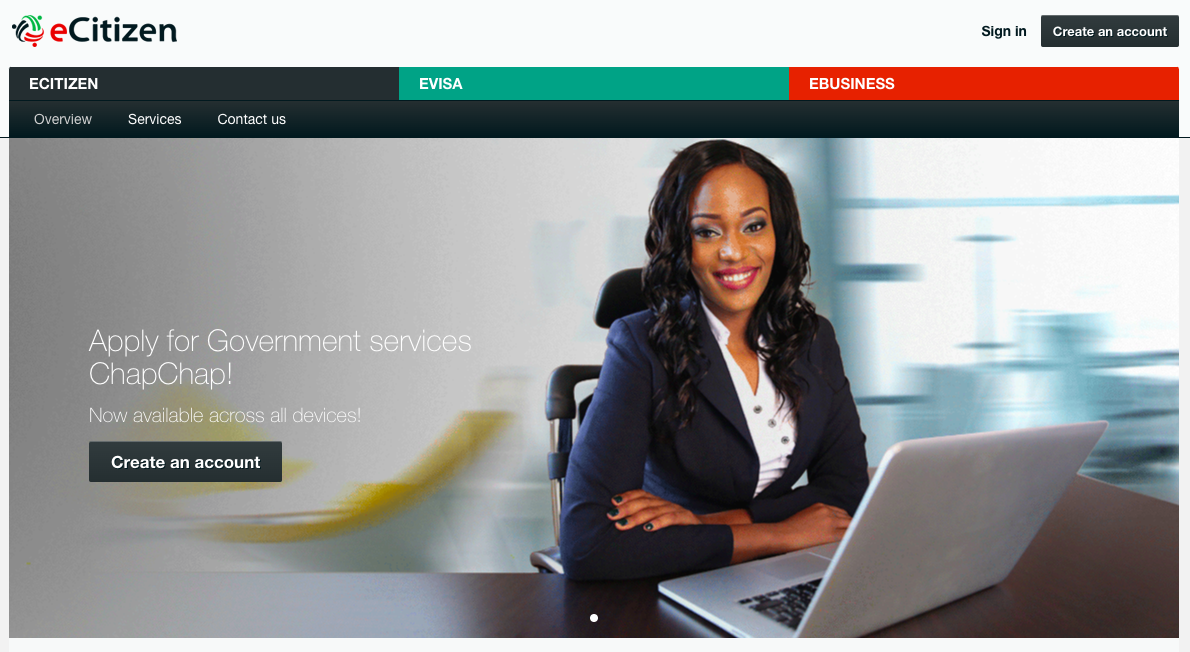
For over a decade, eCitizen has been the backbone of digital government payments in Kenya. From passports and business registration to land and education services, millions of Kenyans use it to pay for government services. The result? Agencies that digitised their services have consistently recorded higher revenues, reduced leakages, and improved public service access.
But here’s the thing—when systems expose inefficiencies, corruption, or legacy workarounds, they become targets. That’s exactly why some actors continue to fight automation. Cartels embedded in manual processes see transparency as a threat. They thrive in the shadows of cash handling and opaque accounts. And eCitizen brought those shadows into the light.
The Special Audit confirms what many already knew: automation works. But like any national-scale digital infrastructure, there’s room to mature, refine, and lock in long-term stability.
advertisement
What The Audit Got Right
The Auditor-General’s report highlighted three broad truths:
- Revenue collection improved with eCitizen adoption across MDAs (Ministries, Departments, and Agencies).
- There’s no evidence of revenue loss for payments processed through eCitizen; everything is traceable and reported to Treasury.
- Legal and governance frameworks haven’t kept up with scale. That’s the real risk—not the technology, but the gaps around it.
The report doesn’t point fingers at digital payments as a failed initiative. On the contrary, it recommends doubling down with reforms to harden the system.
Where We Go from Here
Let’s cut through the noise and focus on what matters:
advertisement
- Give eCitizen a proper legal home
A multi-billion-shilling platform that serves millions of citizens daily can’t run on gazette notices and directives alone. We need a proper legislative framework that:
- Defines ownership and control.
- Enshrines data protection and compliance standards.
- Prevents rogue changes, unauthorised integrations, or manual overrides.
- This isn’t just bureaucracy—it’s how you future-proof a national platform.
- Take full ownership—technically and operationally
Yes, the vendor (Webmasters Kenya Ltd) developed and managed eCitizen. But government owns the IP. The handover happened officially. What’s needed now is operational control:
- Host it in government-secured infrastructure.
- Build in-house technical teams with admin rights.
- Eliminate reliance on external vendors for daily tasks, reports, or system changes.
Without this, Kenya stays vulnerable to vendor lock-in and single points of failure.
advertisement
- Automate settlements, kill manual reconciliation
Right now, Treasury still moves money from collection to settlement accounts manually. That’s outdated—and introduces avoidable delays and human error. Settlements should be:
- Instant.
- Auditable.
- Triggered by system logic, not paperwork.
Every hour that MDAs wait for funds is lost time in service delivery.
- Fix pricing for micro-transactions
Charging Ksh 50 for a Ksh 20 service? That’s a 250 per cent surcharge. It kills affordability and hurts sectors like healthcare, agriculture, and youth services. eCitizen should introduce:
- Tiered fees (already gazetted but inconsistently applied).
- Exemptions for low-cost, high-volume services.
- Bundled service payments to avoid duplicate charges during, say, a hospital visit.
Convenience fees shouldn’t be a barrier to public access.
- Stand up a real helpdesk
- When things go wrong on eCitizen—and sometimes they do—users have nowhere to turn. No support tickets. No reference numbers. No escalation path. That’s not acceptable for a platform processing billions monthly.
- Build a central, well-resourced helpdesk. Staff it. Monitor response time. Make it visible.
- Clean up legacy integrations
Two parallel payment gateways. Unapproved bank accounts. Settlement reports with mismatched totals. These aren’t problems of fraud—they’re problems of systems that grew too fast without enough oversight. Fixable, if we:
- Enforce a single architecture.
- Shut down rogue accounts and payment paths.
- Require audits and approvals for any new gateway or integration.
The goal: one system of record, fully accountable.
In Summary
The answer isn’t to dismantle eCitizen or question its intent. The answer is to institutionalise it—technically, legally, and operationally.
This platform has shown that digital government works. But no system runs on autopilot forever. Kenya now needs to codify eCitizen into law, invest in the people and processes to run it, and make sure the benefits of automation reach every corner of the public sector.
Let’s not let the loudest critics win by dragging us back to cash, chaos, and cartels. Let’s finish what we started—and do it properly.