
advertisement
CIO100 Megatrends Report Highlights Africa’s Top 2025 Tech Trends


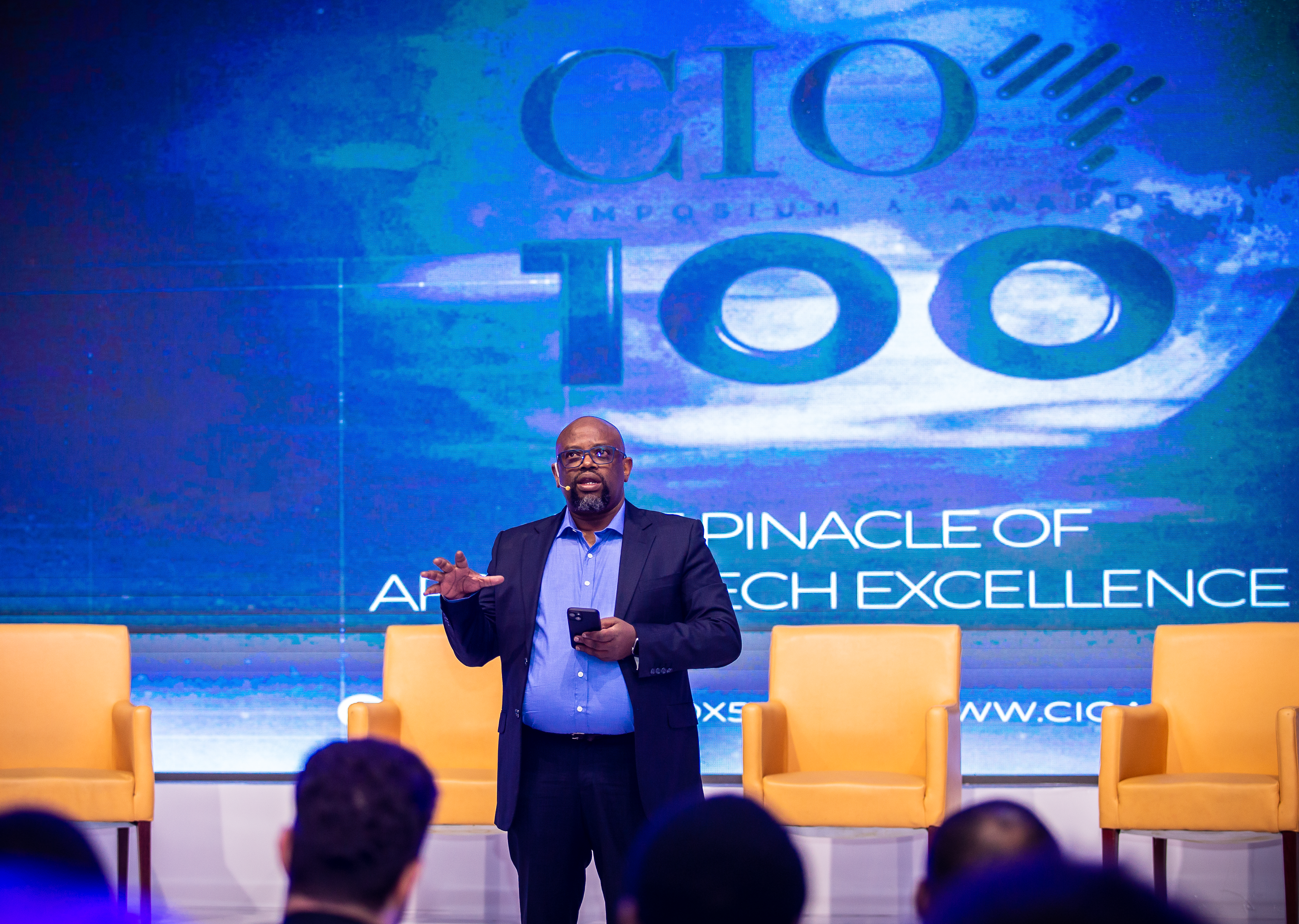
African businesses are moving beyond digital experimentation and into a new era of strategic execution, according to the CIO100 Megatrends 2025 Report by CIO Africa by dx⁵.
The report reveals that cloud computing, artificial intelligence (AI), and cybersecurity have become the continent’s most widely adopted technologies, showing that the continent’s digital transformation is becoming more focused and effective.
Drawing insights from organisations across Sub Saharan Africa, the report shows that cloud computing leads adoption at 61.2% followed by AI at 54.8%, analytics at 43.8%, and cybersecurity at 43.6%. Machine learning, the Internet of Things (IoT), and edge computing are also emerging as key tools for growth, particularly in finance, government, education, and manufacturing sectors that are driving growth through innovation and smart use of technology.
advertisement
“African business leaders are no longer asking what’s new — they’re asking what works,” said Harry Hare, Chairman of CIO Africa by dx⁵. “The data confirms that Africa’s digital leaders have moved beyond adoption debates and into disciplined execution. It’s no longer about technology for technology’s sake, but about solutions that deliver measurable value.”
Cloud computing, once viewed as a milestone on the journey to digital transformation, has now become a core part of business operations. Its widespread use is driven by the need for speed, lower costs, and dependable performance. Across the continent, companies are moving towards multi-cloud environments that allow them to balance costs while ensuring continuity and scalability.
AI and machine learning, meanwhile, have evolved from isolated pilot projects into essential business enablers. From automating repetitive processes to enhancing customer experience and data-driven decision-making, these technologies are now deeply embedded in how organisations compete and grow.
advertisement
Cybersecurity has also taken on a new strategic role. No longer treated as a compliance requirement, it is now seen as a business differentiator and a foundation for trust. The report highlights how nearly half of all participating organisations are implementing advanced frameworks that protect data integrity and ensure business continuity, reflecting a fundamental shift in how African leaders view digital risk.
Although adoption levels for IoT and edge computing remain lower, their impact is highly visible in industries like agriculture, logistics, and healthcare. By bringing intelligence closer to where data is generated, these technologies are helping address Africa’s long-standing connectivity challenges and enabling smarter, faster operations in even the most remote areas.
The CIO100 Megatrends 2025 Report also identifies efficiency, customer experience, cost control, and employee productivity as the leading strategic priorities for businesses across the continent. Over 85% of executives cited operational efficiency as their top goal, underscoring a shift from technology adoption to performance-driven execution.
advertisement
Yet, despite this progress, the report notes persistent challenges such as talent shortages, growing cyber threats, and complex regulatory environments. Business leaders are calling for closer collaboration between policymakers, investors, and educators to sustain digital growth and build a stronger innovation ecosystem.
“Technology is only as strong as the people who use it,” said Hare. “Africa’s digital leaders are creating solutions that fit our realities, from internet costs to local data needs, and that’s what makes our innovation truly African.”
The CIO100 Mega Trends 2025 Report offers a clear snapshot of Africa’s dynamic technology-driven economy, one that blends global ambition with local ingenuity. These insights will be further explored at the CIO100 Symposium & Awards 2025, to be held from November 19 to 21, 2025, at Enashipai Resort & Spa, Naivasha, Kenya, where 100 of Africa’s most innovative technology leaders and organisations will be recognised for their excellence in digital innovation and leadership.