
advertisement
Why Trust Will Determine The Success Of Africa’s Biometric Identity Systems


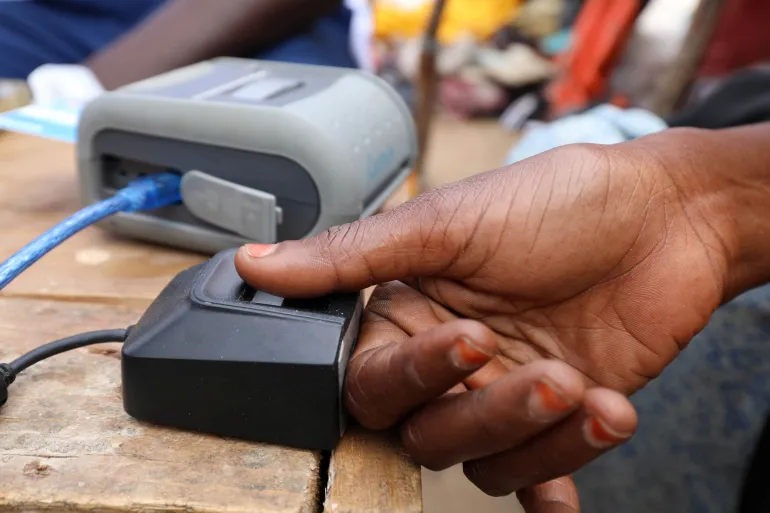
Across Africa, biometric identity systems are increasingly becoming central to how citizens access financial services, government programs, and digital platforms. From banking and telecommunications to fintech and public services, biometric-driven Know Your Customer (KYC) processes are rapidly shaping the continent’s digital economy. Yet, while the technology continues to evolve, industry experts argue that the real challenge is not technological capability, but trust.
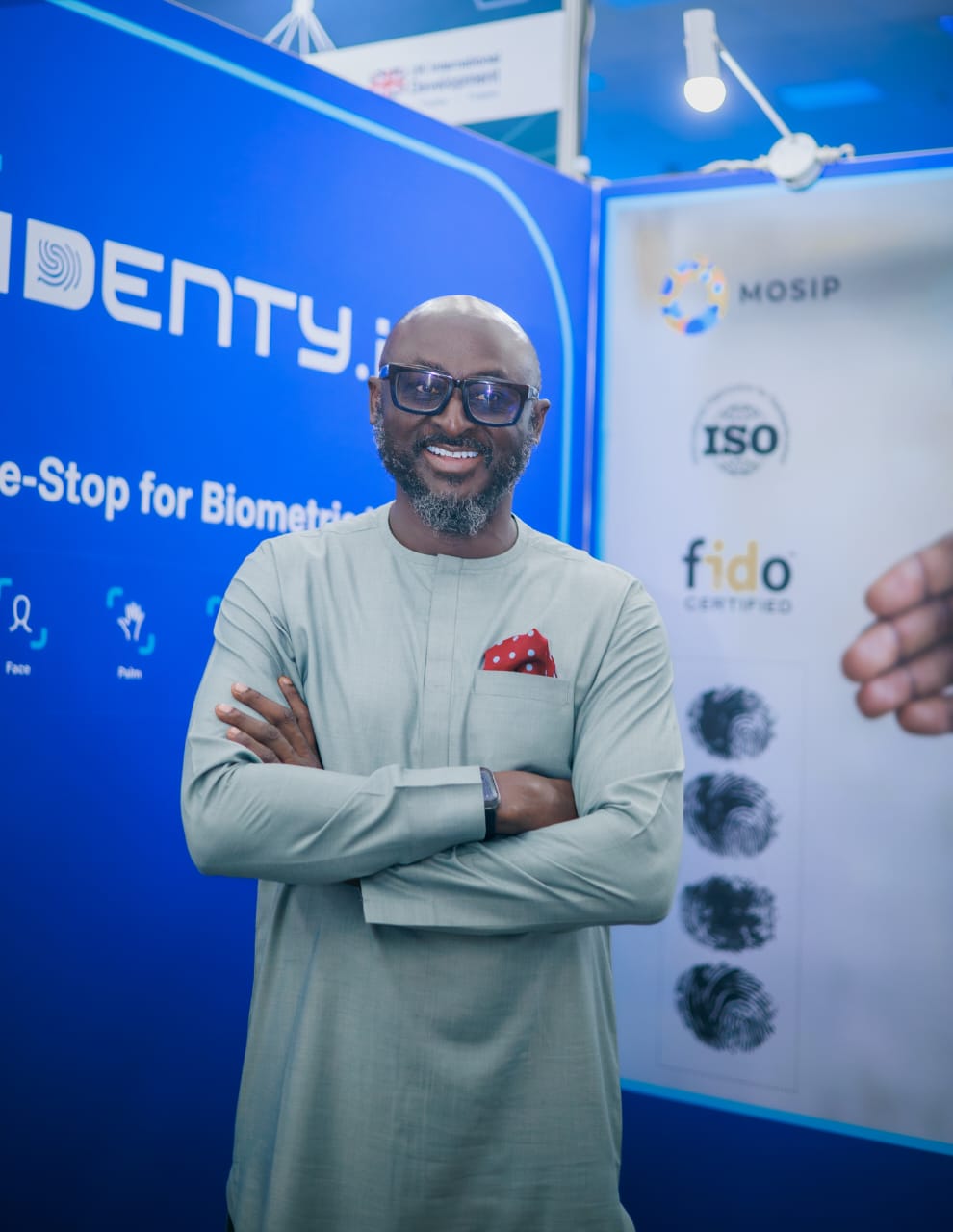
For Dr. Olalekan Olajide Olasiyan, Regional Head – Biometrics for West Africa at Identy.io, the success of digital identity systems ultimately depends on how well governments, institutions, and technology providers build and sustain that trust.
With more than 30 years of experience spanning consulting, healthcare systems, and digital infrastructure, Olasiyan has worked at the intersection of technology, governance, and large-scale public systems. His involvement in national identity initiatives, particularly Nigeria’s Bank Verification Number (BVN) program, offered a firsthand view of how identity systems can shape financial stability and inclusion.
advertisement
“My transition into biometric identity was shaped by working on large-scale, high-impact systems where identity accuracy directly affected trust, access, and economic participation. While my early career in consulting and healthcare grounded me in governance, compliance, and operational discipline, my involvement in national identity initiatives, particularly Nigeria’s Biometric Verification Number (BVN) program, made the implications of identity systems very real and human.”
He adds that the experience reinforced how deeply identity systems affect economic participation and trust in institutions.
“Seeing firsthand how a robust biometric framework could reduce fraud, stabilize financial systems, and enable inclusion fundamentally shaped my leadership philosophy. I learned that technology alone is never the solution; success depends on alignment between policy, institutions, operations, and people. As a leader, this reinforced my belief in systems thinking, stakeholder alignment, and execution with accountability, especially in environments with extremely small margins for error.”
advertisement
The Trust Challenge in Digital Identity
Despite significant progress across Africa, implementing large-scale biometric identity systems remains a complex undertaking. According to Olasiyan, the biggest challenge lies in orchestrating trust across fragmented ecosystems.
“The biggest leadership challenge is orchestrating trust across fragmented ecosystems—government agencies, regulators, financial institutions, technology providers, and the public, often operating at very different levels of maturity. In emerging markets, leaders must balance urgency with legitimacy. There is pressure to deploy quickly, yet biometric systems demand strong governance, data integrity, interoperability, and public confidence. Weak coordination or poor change management can undermine even the most sophisticated technology.”
For many governments and institutions, identity systems are often treated as technology deployments rather than long-term national infrastructure projects. Olasiyan believes that mindset must change if digital identity initiatives are to succeed.
advertisement
“Effective leadership in this space requires the ability to influence without direct authority, align incentives, and ensure that identity programs are treated not as IT projects, but as national digital infrastructure with long-term socio-economic consequences.”
Progress Across Africa
Africa has made considerable progress in the adoption of biometric KYC systems, particularly across banking, telecommunications, fintech, and government services. Many countries now recognize biometric identity as a foundational component of financial inclusion and digital service delivery.
However, key gaps remain.
“Africa has made significant progress in the adoption of biometric KYC across banking, telecoms, fintech, and government services. Many countries now recognize biometrics as foundational to financial inclusion and digital service delivery. However, gaps remain in three critical areas. First, interoperability: many systems still operate in silos, limiting cross-sector and cross-border value. Second is the quality and consistency of implementation, where enrollment standards, liveness detection, and identity assurance levels vary widely. Third is governance maturity, including data protection enforcement, auditability, and identity lifecycle management.”
Closing these gaps, he notes, requires a shift in how identity systems are designed and implemented.
“Addressing these challenges requires moving from compliance-driven KYC to risk-based, user-centric, and interoperable identity ecosystems.”
Building Identity Systems People Trust
For digital identity systems to succeed, governments and enterprises must prioritise transparency and accountability from the outset.
“Trust is built through clarity, accountability, and transparency. Governments and enterprises must clearly define who owns identity data, how it is used, how long it is retained, and how individuals can exercise control over it.”
He also stresses that privacy and security cannot be afterthoughts.
“Equally important is embedding privacy-by-design and security-by-default principles into systems from day one, not as afterthoughts. Public trust is also reinforced through independent oversight, strong legal frameworks, and consistent communication with citizens and users.”
Ultimately, public perception plays a defining role in whether identity systems are embraced or resisted.
“Sustainable biometric ecosystems succeed when people see identity systems as enablers of access and protection, not instruments of surveillance or exclusion.”
The Future of Identity in Africa
Looking ahead, technological advances are expected to reshape the biometric identity landscape, strengthening both security and usability.
“Over the next decade, biometric systems will become more intelligent, adaptive, and decentralized. AI-driven fraud detection, advanced liveness detection, and continuous authentication will significantly reduce the risks of identity fraud and impersonation.”
At the same time, the growing demand for cross-border digital services is likely to accelerate efforts to develop interoperable identity frameworks across the continent.
“We will also see increased adoption of portable and cross-border digital identities, supported by interoperable standards and, in some cases, decentralized identity models. Biometrics will increasingly serve as a trust anchor, while data sharing becomes more selective, consent-driven, and auditable. The focus will shift from one-time verification to continuous identity assurance, especially in high-risk transactions and cross-border digital services.”
Achieving this vision will require stronger collaboration between governments, regulators, and private sector innovators.
“Regional collaboration and public–private partnerships are non-negotiable for Africa’s digital identity future. No single country or institution can solve identity challenges in isolation, particularly in areas such as migration, trade, payments, and security.”
Ultimately, he believes the goal is clear: identity systems that are secure, inclusive, and trusted across borders.
“Success looks like seamless, secure identity verification across borders, reduced fraud, expanded financial inclusion, and identity systems that are trusted, inclusive, and resilient across generations.”