
advertisement
Why Human Connection Is Africa’s New Competitive Advantage


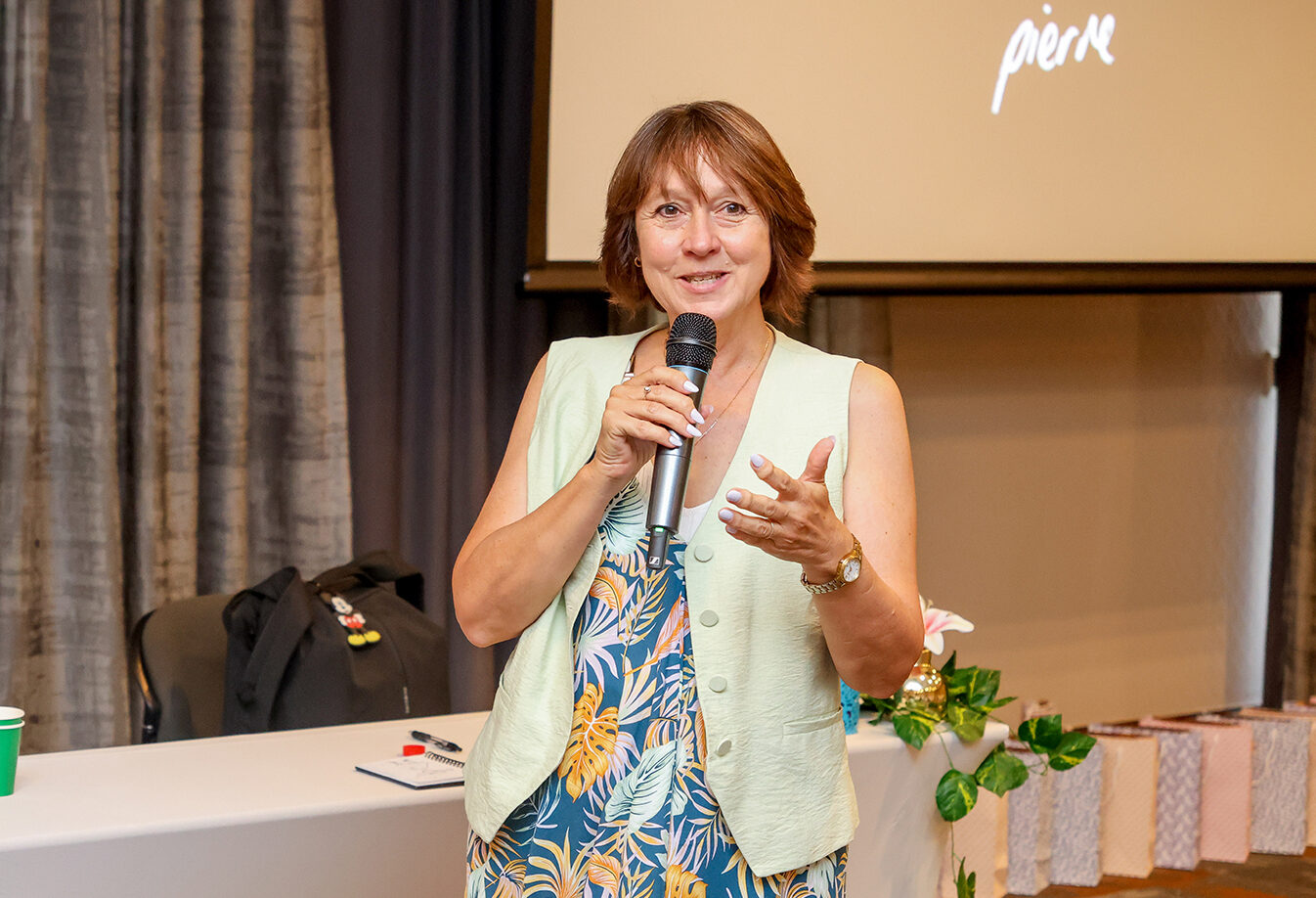
African business leaders are increasingly shifting their focus from pure technology-driven performance to the human dynamics that underpin successful organisations, a theme that took centre stage at a recent African SAP User Group (AFSUG) event titled ‘Building our Version of Paradise’. The gathering brought together volunteers, partners and members to reflect on the non-profit’s strategic evolution, while highlighting how trust, culture and meaningful engagement are becoming critical in the age of automation, data and AI.
Delivering the keynote, Pierre du Plessis, strategist and founder of Be Brave, challenged conventional thinking around business success, arguing that growth and profitability are not driven solely by innovation or metrics, but by what he described as “deep chemistry” within teams. He emphasised the importance of “tribes”, small, connected groups where individuals feel valued and trusted, noting that while leadership may define strategy, it is these communities that ultimately bring it to life.
Through a mix of storytelling and practical insights, du Plessis underscored the role of trust as the foundation of high-performing teams. According to him, trust enables healthy conflict, strengthens commitment and fosters accountability, all of which lead to meaningful outcomes. He further argued that in an era of over-measurement, organisations risk losing sight of the human connections that drive performance.
advertisement
Research presented during the session reinforced these perspectives, revealing that only 21% of employees globally feel engaged at work. The findings also highlighted how disengagement and workplace loneliness can negatively impact productivity and overall wellbeing, pointing to a growing need for organisations to prioritise connection and community.
Du Plessis also explored the idea of meaning in work, arguing that purpose, rather than profit, is the ultimate driver of performance. Drawing on diverse examples, he illustrated how individuals and organisations that focus on impact often achieve stronger, more sustainable outcomes, with financial success emerging as a by-product rather than the primary goal.
This renewed focus on human connection is increasingly relevant as organisations across Africa accelerate digital transformation and adopt AI-driven workflows. For AFSUG, these insights are not just theoretical but are actively shaping its future direction.
advertisement
On her part, Amanda Gibbs, CEO of AFSUG, noted that the organisation is undergoing a strategic shift as it redefines its role within the African SAP ecosystem. She explained that AFSUG is moving away from an event-driven and reactive model towards one that is outcomes-driven, insight-led and focused on delivering long-term value. Central to this transformation is the organisation’s ambition to serve as a trusted voice and independent advocate for the African SAP community.
Echoing this vision, Duke Mathebula, chairman of AFSUG, emphasised the importance of structured advocacy and tangible impact. He highlighted the organisation’s commitment to building engaged and purpose-driven communities capable of driving meaningful change across the region.
As African enterprises continue to balance rapid technological advancement with organisational resilience, the message from the AFSUG event is clear: while digital tools and data are essential, it is ultimately human connection, trust and shared purpose that will define long-term success.