
advertisement
Bridging The Gap: Why Africa Needs Smarter Investment Models


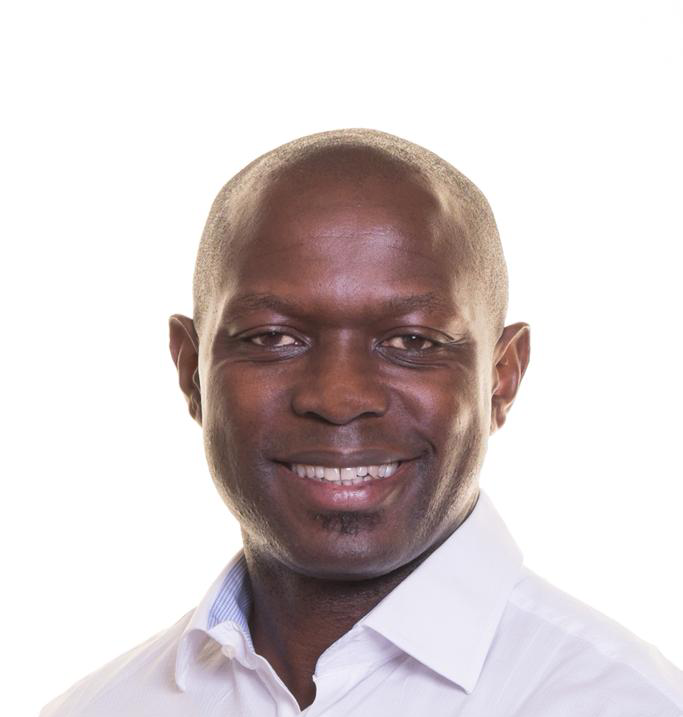
Africa’s innovation is booming, but capital remains its weakest link. Despite being home to some of the fastest-growing economies, the continent still struggles with fragmented financing and limited access to patient, impact-driven capital. The African Venture Philanthropy Alliance (AVPA) is stepping into this gap building bridges between philanthropy, private investment, and social enterprises. In this exclusive conversation, CIO Africa speaks with AVPA’s CEO Frank Aswani about why Africa’s future won’t be defined by innovation alone, but by how effectively we mobilize and deploy capital to fuel inclusive growth.
Q: AVPA is known for mobilising social investment across Africa. How would you describe the organisation’s core mission in today’s fast-changing digital and economic landscape?
A: AVPA is Africa’s leading impact network, facilitating the flow of capital into high-impact social projects across the continent. Our mission is to empower impact actors, including investors and enablers, by providing a robust platform where they can connect with their peers, gain insight, and learn from shared experiences, influencing policy and practice, and scaling up their interventions for greater impact.
advertisement
Q: Since AVPA’s founding, how has the role of venture philanthropy and blended finance evolved on the continent?
A: When AVPA was founded, venture philanthropy and blended finance were only emerging ideas in Africa. Philanthropy was still seen mostly as charity, and investment capital rarely flowed toward solving social challenges. But over the past decade, a quiet revolution has been taking place.
Philanthropists are no longer content with giving for short-term relief, but they want to drive systemic change, measure impact, and take risks that unlock sustainable solutions for millions. At the same time, blended finance has shown Africa and the world that when you bring grants and other types of risk-tolerant and patient capital, and commercial finance together, you can open markets that were once thought impossible and build more sustainable solutions, whether in renewable energy, healthcare access, or sustainable agriculture.
advertisement
AVPA has contributed to this shift. By building a Pan-African ecosystem where investors across the continuum of capital – grants, debt, or equity sit at the same table, we’ve helped redefine what it means to finance Africa’s future. Today, venture philanthropy and blended finance are not niche concepts, but they are increasingly becoming central to Africa’s resilience story, proof that capital with purpose can unlock the continent’s vast potential.
Q: What would an “Africa-first” venture capital model look like?
A: An “Africa-first” venture capital model would move beyond copying Silicon Valley and instead reflect Africa’s realities – leverage catalytic capital and or TA, longer investment horizons, more debt, blended finance to de-risk early ventures, and a prioritisation on sectors like agriculture, health, and climate that are currently not attractive to private capital. It would incentivise and prioritise locally founded and African-led, inclusive social investments, especially in rural areas or targeting women and youth, while optimising financial and social returns.
advertisement
Q: Africa’s digital economy is expanding rapidly. Where do you see the biggest opportunities for AVPA to channel capital into tech-driven impact solutions?
A: Africa’s digital economy is creating powerful opportunities in areas like fintech for financial inclusion, digital health, agri-tech, education technology, and climate-smart innovations. While AVPA does not deploy capital directly, our role is to connect the ecosystem, bringing together social investors and development partners who are interested in backing these solutions. We see our biggest opportunity in convening stakeholders around investable tech-driven opportunities that can scale impact, sharing information on pipeline opportunities, mobilising catalytic capital, and supporting the ecosystems that make these innovations investment-ready. By bridging social investors with digital entrepreneurs, AVPA can help ensure that Africa’s digital economy grows in a way that is inclusive, sustainable, and deeply aligned with the continent’s development priorities.
Q: How do you assess the role of AI, data, and digital platforms in scaling social impact across Africa?
A: Artificial Intelligence (AI) offers Africa a new and inspiring opportunity to move forward alongside the rest of the world, shaping its path and contributing to steering the future in a positive direction. With a median age of 19.3, Africa boasts the youngest population globally, a demographic that is a goldmine for technology, innovation, and skills. As the continent continues to grapple with poverty, unemployment, and inequality, the integration of AI within the investment ecosystem presents an opportunity to enhance decision-making, optimise resource allocation, and unlock scalable, innovative solutions. Projects like Cassava AI exemplify how Africa can leapfrog into its transformation through AI-driven innovations.
According to a PwC report, AI could add $15.7 trillion to the global economy by 2030. In the impact investing landscape, AI can improve data analysis, risk assessment, and project monitoring. A key challenge reported by impact investors is the lack of reliable data on social outcomes. With AI capabilities, data can be processed and interpreted more efficiently and accurately. AVPA is excited to soon be launching an AI tool called the Social Investment in Action tool that will show data on where capital is coming from to where it’s going (country and sector), through which instruments, and in what quantum.
Q: Many tech startups struggle with access to patient, impact-driven capital. How is AVPA working to bridge this funding gap?
A: AVPA launched its catalytic pooled fund in November 2024 at its annual conference in Nairobi and plans to create more such funds in the future. The CPF is a transformative collective designed to mobilise catalytic and patient capital in Africa to drive private sector investment in social development at scale.
The CPF aims to drive social investment by pooling $200 million (USD) of catalytic capital over the next five years, sourced from African and global philanthropies, as well as foundations. This capital is expected to leverage five to ten times its value in private capital, potentially unlocking up to $2 billion.
The initiative will play a critical role in bridging Africa’s financing gap by testing the use of innovative financing mechanisms as well as scaling those with proven track records for delivering high impact and crowding in private capital into social investments. Notably, the fund aims to tap into the $1.8 trillion of dormant domestic private capital held by insurance companies, pension funds, and dormant bank accounts.
By anchoring the Catalytic Pooled Fund, you don’t just support a single intervention; you shape the terms under which billions in private capital engage Africa. You write the risk language that markets will follow.
Q: What are the biggest barriers holding back the flow of social investment capital into Africa’s digital transformation journey?
A: Despite the availability of capital, several systemic inefficiencies hinder its effective deployment in Africa’s digital transformation journey. These include: Market Fragmentation, Limited Investment Readiness, Information Asymmetry, and Policy and Ecosystem Gaps:
Lack of knowledge in innovative finance
Many of our investors are still not competent in innovative finance, thus limiting the creativity they could apply in how they mobilise and deploy capital
Market fragmentation and siloed capital providers
Africa’s fragmented capital providers hinder efficient social financing, missing opportunities to boost impact
Information Asymmetry
Lack of transparency and standardised metrics makes it hard for social impact solutions to secure diverse funding
Limited investment readiness/capacity to raise capital
African social impact solutions often lack the capacities needed to meet investor demands, hindering their ability to attract funding
Policy and ecosystem gaps
African social impact solutions face capacity gaps and regulatory barriers, restricting funding access and hindering growth
Q: Do you believe African entrepreneurs should rely less on foreign VC and more on blended local financing solutions?
A: As Africans, we should learn from recent global events and get ready to unlock and use more local resources for funding our own opportunities. The more we can depend on local capital, the better it will be for us. However, this domestic private capital has to be more available than it currently is. We need catalytic capital to support our early-stage entrepreneurs who are too risky for mainstream private investors, while domestic capital, like from pension funds, should support fund managers who are funding and scaling SME’s. Availability of domestic capital also negates the foreign exchange risk linked to foreign capital, which puts our local entrepreneurs and fund managers under immense pressure to pay back in foreign capital as their businesses generate revenue in local currency.
Africa has over $1.8 trillion in dormant capital that could be leveraged for impact. This capital is held in pension funds, insurance companies, dormant assets, bank accounts, and sovereign funds, among other sources.
Q: What’s your advice to international investors who want to enter Africa without repeating the mistakes of a Silicon Valley mindset?
A: Firstly, come and understand Africa for what it is and what you think it should be based on your previous experience.
Structure your capital to suit the continent. If you can, make it patient.
Package it in the right ticket size that works for local entrepreneurs. If you are an LP, could you set up a fund of funds?
Get creative with how you package your capital for the continent. Do you need a derisking or catalytic layer to meet your return expectations?
Coinvest with local fund managers if you can. They will be handy to your success.
Q: With rising youth unemployment, how is AVPA supporting entrepreneurship and workforce development through its investment networks?
A: At AVPA, we’re aligning capital with youth potential. Our Deal Share Platform helps channel investment into youth-led and youth-impacting enterprises. Through Deal Share Live, we provide curated, interactive sessions where high-potential ventures can connect directly with funders and ecosystem partners.
Last year at the 2024 AVPA Conference held in Nairobi, this was the focus of the powerful session “The Youth Factor: Africa’s Path to Sustainable Jobs and Growth.” Panellists agreed: future-proofing Africa means equipping young people with skills, jobs, entrepreneurship pathways, and platforms for civic engagement. Building on that momentum, this year’s conference focuses on the theme: Jobs and the Future of Work.
The theme will explore the evolving employment landscape, particularly within the creative industries and job tech sectors. As technology continues to reshape how and where we work, job tech solutions are emerging as critical tools, bridging skills gaps, expanding access to opportunity, and enhancing employability across the continent.
Q: How do you ensure that capital flows not only into “hot markets” like fintech but also into underfunded areas such as healthtech, agritech, and edtech?
A: Impact investing, by its very nature, differs from mainstream investing by demonstrating intentionality – driving private capital to go where, on its own, it wouldn’t go so that we can drive more inclusive growth. We work to broaden the lens of capital allocation beyond the “hot markets” like fintech by highlighting the systemic value of sectors such as healthtech, agritech, and edtech. We do this through research that spotlights opportunities in these areas, convenings that bring donors and private investors together, and blended finance approaches that help de-risk social investments and sectors perceived as high-risk. Catalytic capital has a crucial role to play in addressing these market gaps by reducing the risk of investing in the “non-hot markets”.
Q: In the next five years, what role do you envision AVPA playing in shaping Africa’s digital economy?
A: In the next five years, AVPA will play a pivotal role in shaping Africa’s digital economy by bridging the impact gap through increased mobilisation of catalytic capital. We see enormous potential in using catalytic and blended approaches to make early-stage digital solutions in health, agriculture, education, and climate more investable. That’s why we are driving the growth of catalytic pooled funds, which allow diverse players in the continuum of capital to share risks and collectively back Africa’s tech-driven innovators.
Q: What’s your message to African CIOs, tech leaders, and innovators about engaging with AVPA and the broader impact investment ecosystem?
A: We are truly blessed to be in Africa. What were seen as industrial challenges 20 years ago are now exciting impact investing opportunities where we converge profit and purpose. We have lived the problems; we need to live the solutions. Let’s lead in solving our own problems. Let’s make Africa the global impact capital and showcase the investment opportunities presented in solving for human need.